
Exodus and Expanse Bring Back the Mass Effect RPG Experience
Both sci-fi RPGs offer different takes on combat, storytelling, and player choice, but some areas still need work.
News by Mahi Araf on Nov 07, 2026
If you've been waiting for more games that capture the feel of Mass Effect, both Exodus and The Expanse: Osiris Reborn are shaping up to be promising additions to the sci-fi RPG genre. After getting hands-on time with both games and seeing the latest updates, there's plenty to be excited about. However, both games still have a few areas that could use work before launch.
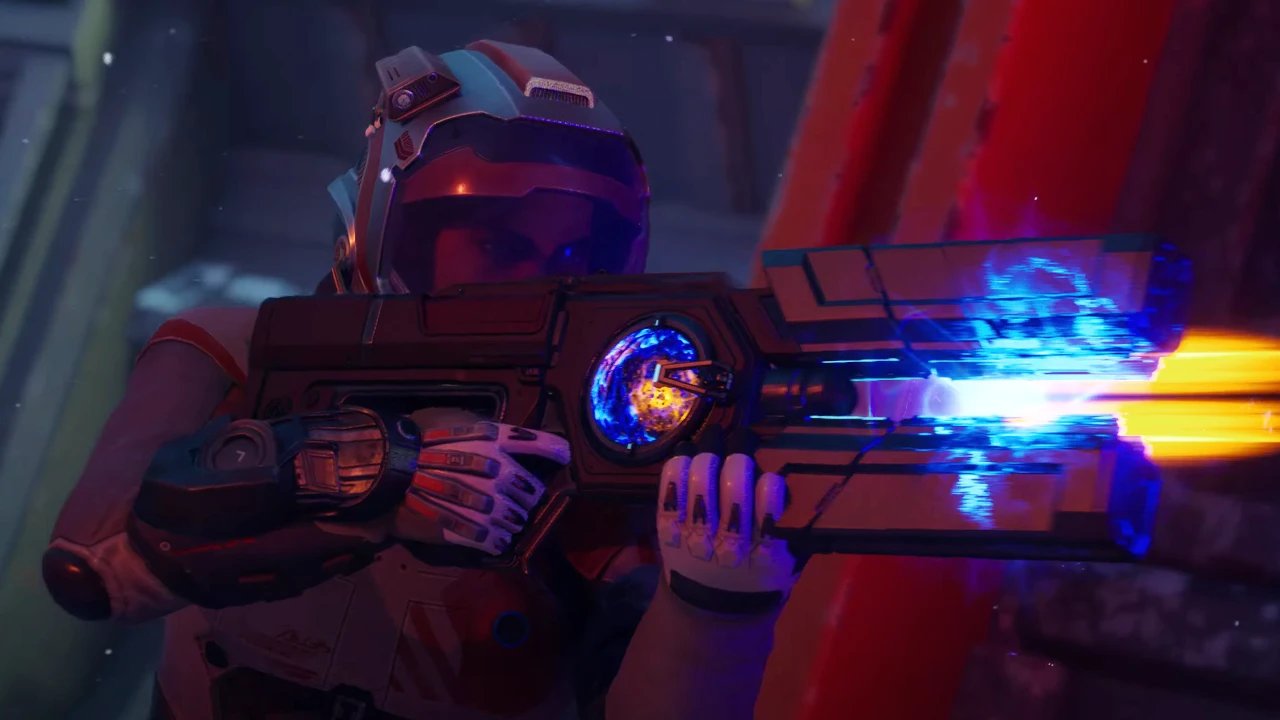
The combat in The Expanse: Osiris Reborn, for starters, bears some resemblance to Mass Effect, especially in the way you control and handle weapons. The reticle movement and weapon recoil feel familiar, especially in how shotguns behave. But instead of picking classes to decide your abilities, your equipment and gadgets dictate your playstyle.

You can upgrade your weapons and equipment, for example, grenade radius, magazine capacity, headshot damage, firing modes, etc. These upgrades can also change the look of weapons, allowing you to experiment with different ways to fight.
That's a world away from the original approach in The Expanse, where the Recycler had several firing modes instead of forcing you to switch weapons constantly.
Osiris Reborn also appears to offer more freedom of movement during encounters. While the earlier game leaned heavily into cover-based shooting, with enemies attempting to flush you out of hiding, the new approach encourages you to move around more frequently.
Environmental interactions were another highlight of the original Expanse experience. The interactions felt more interactive, with explosive objects being shot, windows breaking, and enemies being pulled into space before security shutters slammed shut. Both games have room to build on these ideas, especially by making player choices count.
Osiris Reborn has already shown consequences with characters like Zafar and Okano, but the developers still need to show how decisions affect the bigger story. Archetype Entertainment has experience with choice-driven RPGs, and seeing those consequences play out through loyalty missions and their multiple possible outcomes would help build confidence in the game's narrative.
Meanwhile, Exodus has been addressing one of its biggest criticisms: character designs.
In earlier previews, the faces seemed to mix realistic detail with stylized features without settling on a consistent direction. Removing the character creator made this issue more noticeable, especially since customization could have let players adjust June Alen's appearance themselves.
The latest look at June shows some improvements, including a shorter face and less facial hair. But his look still lacks polish. It's progress, but even a few basic customization options for hair and facial hair would go a long way.
Beyond the character designs, Exodus has a lot to love, particularly the writing and worldbuilding. The game is being penned by Drew Karpyshyn, who has previously worked on Knights of the Old Republic, the Mass Effect trilogy, and the Bane novels. You can already see his style: the story moves between hope and darker turns but still keeps its course.
The Dynasty system is one of the game's biggest features, revolving around the choices you make and the people you leave behind.
Travelers are sent to help humanity find its place among advanced civilizations, but different factions have different ideas of what that future should look like. By building relationships with particular dynasties, you can influence how your home world develops while you're away.
This system is closely connected to Exodus' time-dilation mechanic, which takes inspiration from Interstellar. However, despite the game's approaching April launch, the developers still haven't clearly shown how this feature works. Details about the game's length and number of endings have also remained limited.
That's particularly noticeable when compared with Osiris Reborn, whose developers have been more open about expected playtime and other gameplay details. Exodus still needs to demonstrate what makes its central mechanic special.
Fortunately, its presentation already has plenty of personality.
The environmental sound design, music, voice acting, and dialogue all add to a strong sense of atmosphere. Even the menus stand out, using Dragon Age-inspired tarot cards for character and class sections instead of generic interface designs.
Combat looks promising as well, combining cover-based shooting, abilities, and an interconnected skill tree. You can also invest in specific skills to open up more specialized branches. Some abilities tie into your morality. This is reminiscent of Knights of the Old Republic, where your choices determine what powers become available.

A few concerns remain, especially around companion combat: companions like Elise can be distracting because of their repeated dialogue, and the fact that they can't be knocked down in encounters may reduce combat tension. If you want battles to feel more believable, you would need to give companions meaningful health systems and have enemies actively respond to them.
Performance is another area that needs attention in Osiris Reborn, as its beta featured occasional frame drops. Neither game appears to be in a disastrous position, but polishing these smaller details will be important.
Both Exodus and The Expanse: Osiris Reborn are going in different directions with the Mass Effect formula, and both have the potential to offer something worthwhile.
Exodus is currently the standout for its writing, atmosphere, and science-fantasy direction, while Osiris Reborn has an appealing combat system and more familiar RPG mechanics. Both have some tweaks and more detail on their biggest features, and could give sci-fi RPG fans something to get excited about.
Senior Editor, NoobFeed
Related News
No Data.