
Exodus Progression Overhaul Builds a Deeper RPG Before Launch
A second hands-on preview shows major improvements to combat, progression, exploration, and presentation ahead of the April 2027 launch.
News by Adeela Tas on Sep 05, 2026
The first hands-on build left plenty of room for concern, especially around repetitive combat, shallow progression, linear exploration, and character presentation. This time, those issues have been addressed in ways that make the upcoming sci-fi RPG feel much more complete.
The latest preview followed the earlier feedback session in May, giving the development team time to make substantial changes. Combat now gives you far more ways to combine weapons, abilities, gadgets, melee attacks, and companion skills, while the progression system has been rebuilt to offer more meaningful choices.
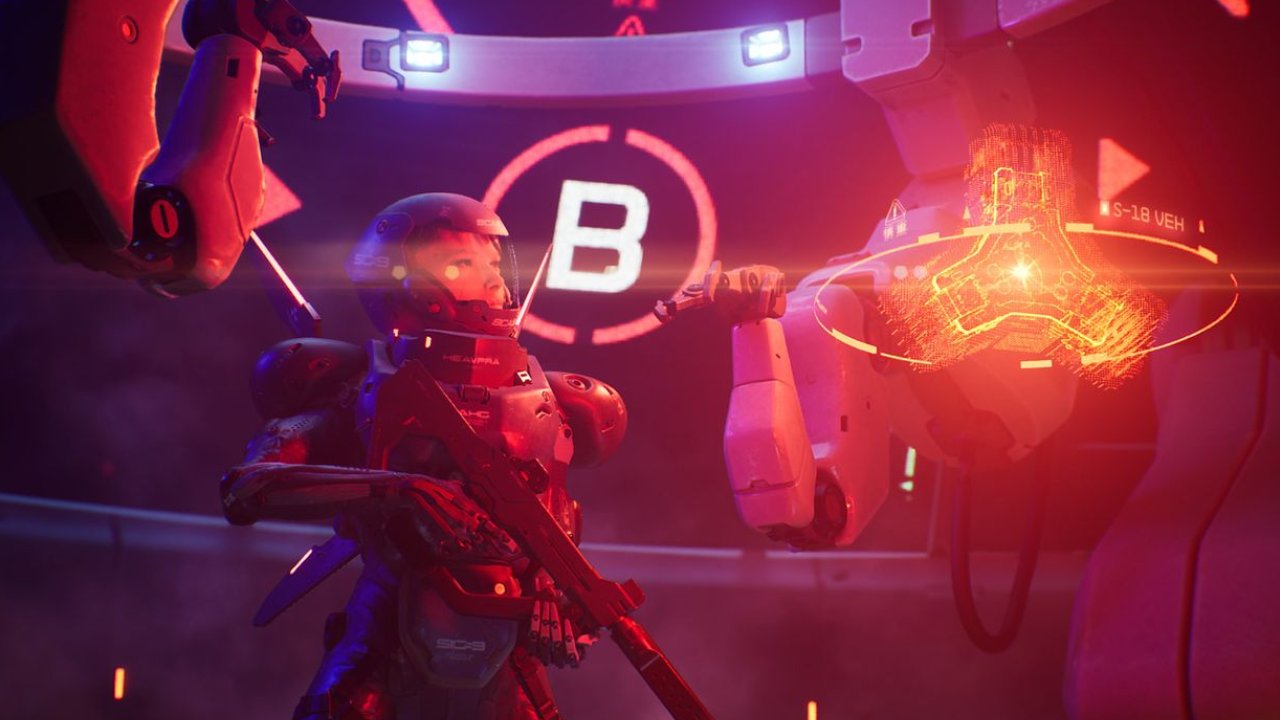
The overall presentation has also improved, with better character models, stronger voice work, and a more polished production feel.
Jun is a Traveler searching the galaxy for powerful Celestial technology that could help humanity in Persepolis. Humans left Earth thousands of years ago aboard enormous ark ships, but Time Dilation caused those ships to arrive at very different points in history.
Some of the earliest human colonists aboard those arks eventually evolved into Celestials, advanced beings that shaped the galaxy and created intelligent species such as the Awakened. That Time Dilation remains one of the most intriguing parts of the Exodus RPG.
A mission that lasts only days for Jun could mean years or even decades have passed back home. That could reshape Persepolis, relationships, companions, and the larger story while Jun is away. The Exodus release date is now set for April 7, 2027, on PlayStation 5, XBOX Series X|S, and PC.
The Exodus mission takes you aboard Khonsu, a derelict Celestial outpost now home to the Kay — a frog-like Awakened race living under siege. Gideon claimed the station years ago and has kept the Kay as prisoners ever since. Breaching Khonsu isn't simple: the outpost is guarded by formidable energy barriers and Ghosts, dormant sentinel machines waiting to activate.
A new ally, Suliman, hands Jun the entry codes needed to set the operation in motion.
From there, the objective is clear: hunt down Gideon's captain and second-in-command. Eliminate them, and the remaining forces should pull back, opening the way to liberate the Kay. Along the critical path, players who stray from it will find secret rooms, optional NPCs, a hidden merchant, and rare gear waiting to be discovered.
That extra freedom is important because exploration was one of the weaker areas in the previous preview. Khonsu is still fairly linear, but it now offers more reasons to investigate your surroundings. One hidden shop, for example, can be uncovered by exploring and destroying objects, eventually revealing a vendor selling legendary mods.
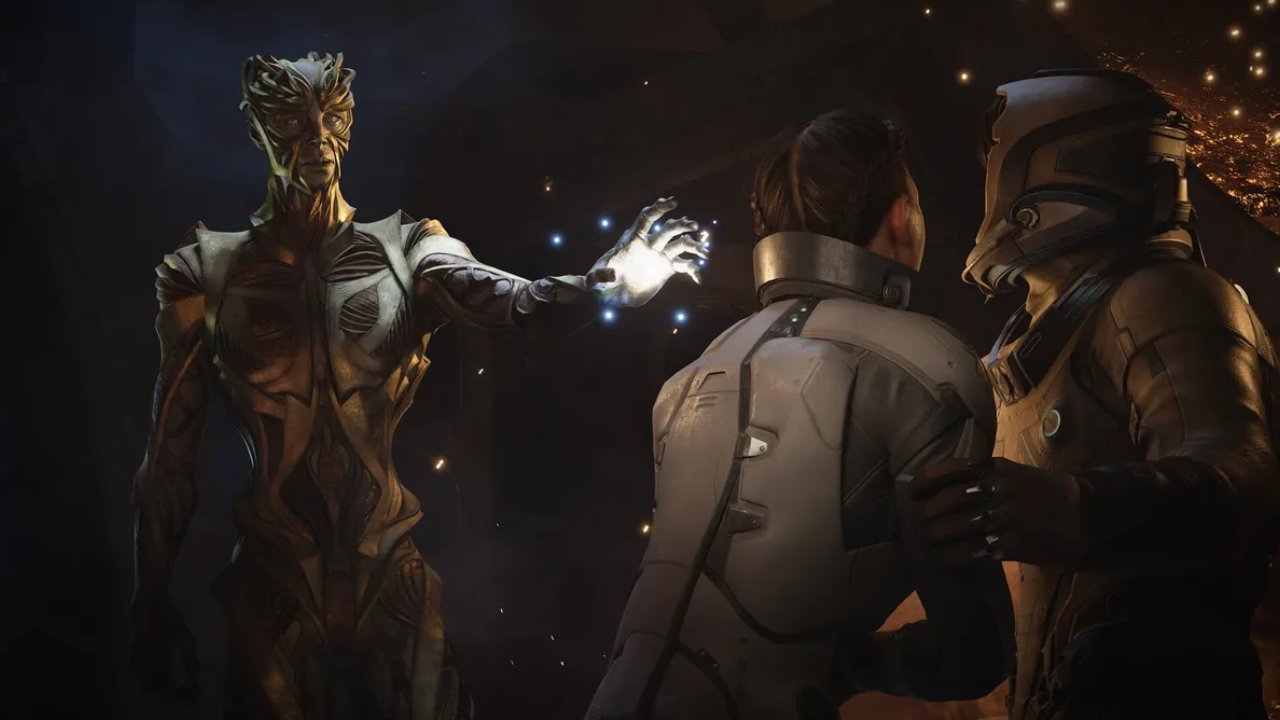
Many players missed it during the preview, which suggests the game could hide plenty of useful equipment away from the main path. The Kay add personality. Several optional encounters introduce different characters and bits of their culture. One Kay talks about truth-seekers and the Herald of the Celestials, while another, named 42C, explains that his name comes from being the 42nd egg from the Sea Clutch.
His confusion over complicated human naming makes the encounter stand out without being forced into the main story. Combat is where the biggest improvement becomes obvious. Previously, the gunplay itself worked, but encounters could become repetitive because firearms were doing most of the work.
Now your Gauntlet abilities recharge quickly enough to become a regular part of your fighting style without turning every encounter into ability spam.
You can combine those powers with Recycler weapon modes, melee attacks, companion abilities, and several gadgets. A thruster grenade can home in on enemies and heavily damage armor, while an EMP grenade targets shields. The game also includes a Scramble Cloak for active camouflage and a sonic lure that can draw enemies toward a chosen location.
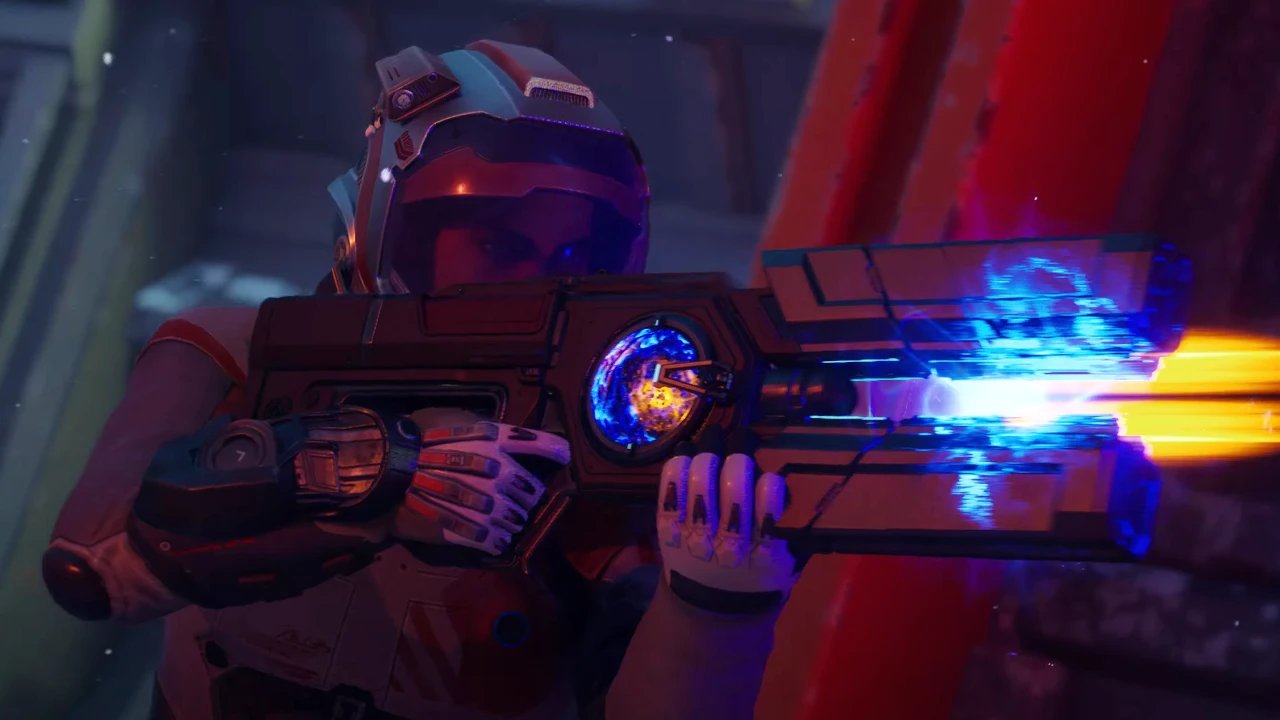
The Recycler adds another layer because it can switch between forms, including a Repeater, Shredder, Piercer, and Specter. Weapon handling feels better overall, but the bigger change is that you are no longer relying on one tool throughout an encounter.
Progression has also been completely revamped. You no longer get your stats increased incrementally in a stackable fashion; instead, you choose from one of three different routes: Soldier, Prodigy, and Operative. The Soldier route focuses on guns, melee combat, and survival. The Prodigy route boosts Gauntlet and Glyph abilities, giving you time control and allowing you to deal more damage to enemy weaknesses.
The Operative route is all about stealth and gadgets. You can also move into hybrid paths called Knight, Oracle, and Specialist, which combine parts of the main styles. Upgrades now include more serious damage, perks, cooldown improvements, new abilities, and enhanced options that can change according to Jun's Paladin or Immortal alignment.
The morality mechanic ties directly into your build.
Take the upgraded Knight perk — it changes how Erupt functions based on where Jun's alignment lands. Your companions get their own compact skill trees too, with branching paths that shape how their powers assist you in combat. On top of that, the Oath system adds a further layer of customization, tying the Exodus RPG mechanics more tightly to the decisions you make across the story.

Jun's Gauntlet is another major part of the buildcrafting. It lets him use Celestial technology and powers that ordinary humans cannot interact with. During the mission, another Celestial artifact provided a Glyph and unlocked a new ability. Five powers can eventually be obtained, although one remains unknown.
Shape can manipulate livestone to create temporary cover, paths, and traversal options. Erupt sends explosive livestone through enemies and obstacles, while Petrify freezes enemies and can also affect machinery. Lance works as an explosive projectile that can destroy certain environmental obstacles. These powers work during both combat and exploration.
There is also a Prime and Detonate system that lets certain companion and Jun abilities set up or trigger effects for combinations. That gives you another reason to think about which abilities you use together rather than activating everything independently.
Weapon customization adds even more possibilities.
Each Recycler form can use up to four mods that affect damage, fire rate, magazine capacity, Glyph reload speed, and other attributes. Legendary mods are especially valuable. One discovered during the preview automatically reloads the Specter after a weak-point hit, while another adds burning to shots and works particularly well with its large explosions.
You can also spend salvage to upgrade individual Recycler forms. Together, the skill tree, Gauntlet powers, weapon mods, companions, and weapon investment give the Exodus gameplay a stronger buildcrafting foundation. Importantly, some of the most interesting rewards require you to explore rather than simply follow the mission objective.
At last, there comes a point when the mission comes to a crossroads based on Kay’s beacon. The faction led by Suliman, namely, the Tenjin Dynasty, tries to convince Jun to alter the beacon in a way that would make the Kay obey their orders forever in return for protection and provisions.
On the other hand, one can refuse and do nothing with the beacon, leaving the Kay on his own. It is important that the faction leader does not always share his faction's position. Smaller encounters offer similar roleplaying choices. One robot can give you a keycard for a price, or you can freeze him and take it without paying.
These decisions feed into Jun's Paladin or Immortal direction.
It connects story choices to character progression rather than keeping narrative decisions separate from gameplay. The biggest unknown is still how much those decisions will matter later, especially after the Exodus release date. The preview shows that choices can influence Jun's alignment and build, but it still doesn't reveal the long-term consequences of major decisions such as the Kay beacon.
Time Dilation is also still largely untested, and a 90-minute section cannot show how well these systems hold together across a large RPG. Even with those unanswered points, the second preview makes Exodus feel considerably more promising.
The first build showed an interesting universe but left questions around combat, progression, exploration, and presentation. This newer version tackles nearly all of those concerns while making the moment-to-moment experience more enjoyable.
The Exodus release date of April 7, 2027, gives the team more time to keep refining what is already a much stronger version of the game. For now, the biggest takeaway is simple: the changes between the two builds are substantial, and the new direction makes the sci-fi RPG feel much closer to the experience it was aiming to become.
Editor, NoobFeed
Related News
No Data.