
Silent Hill Could Expand Beyond Remakes as Konami Plans Its Next Wave of Horror Games
With the Silent Hill 1 remake on the horizon, Konami has an opportunity to bring in more developers, explore different genres, and keep the franchise growing without overwhelming players with yearly releases.
News by Tahmid Mahi on Oct 19, 2026
Konami has made some noticeable steps to bring Silent Hill back into the spotlight, and the future of the franchise could be much more than just revisiting the old games. The company has proven that it is willing to let several studios work on the series, with the Silent Hill 2 remake, Silent Hill f, and Silent Hill: Townfall all being different takes on horror.
This process could continue over the next couple of years, especially if Konami wants to maintain a consistent flow of releases without depending on a single development team. The upcoming Silent Hill 1 remake is already part of those plans, but there’s plenty of room for new projects beyond that.

And while the idea of getting a Silent Hill game every year may sound ambitious, it’s more possible when you have different studios working on different games.
Instead of one team having to do all the entries, Konami can spread the work out to several developers and give each of them enough time to finish their game. It also allows the company to toy with different ideas, instead of every release being the same formula. It may not work forever, but the franchise's recent resurgence suggests Konami has reason to keep moving forward for now.
The Silent Hill 2 remake did well, and Silent Hill f also got a lot of attention, giving Konami reason to stay confident in the current approach. Townfall hasn’t been in the commercial performance conversations as much, but that doesn’t mean the game has necessarily struggled. It was arguably the smallest of the recent releases and its more independent approach meant it was unlikely to draw the same crowd as a major remake.
Townfall had to go up against several other games that came out around the same time, including Control Resonant, Wolverine, The Blood of Dawnwalker, Gears of War, and Star Wars: Galactic Racer. There are so many releases competing for your time and dollars that even a well-established horror franchise may have a tough time getting everyone’s attention.
The game seems to have done alright on the PlayStation charts, but its availability on both PlayStation and PC makes it hard to judge its overall sales based on that information alone. Still, the game's performance needs to be considered alongside its likely development costs and the expectations surrounding a smaller project.
The overall sales figures for Silent Hill also help explain why Konami might not need every release to become a massive commercial success. The franchise has reportedly sold around 13 million to 14 million copies across its history, meaning a game that sells two or three million copies can make a significant contribution to its total.
The Silent Hill 2 remake and Silent Hill F may already account for roughly 20% of the franchise's lifetime sales, although that estimate isn't an official breakdown. Including the original Silent Hill 2 could push that share closer to 25% or 30%, showing how much a handful of successful games can contribute.
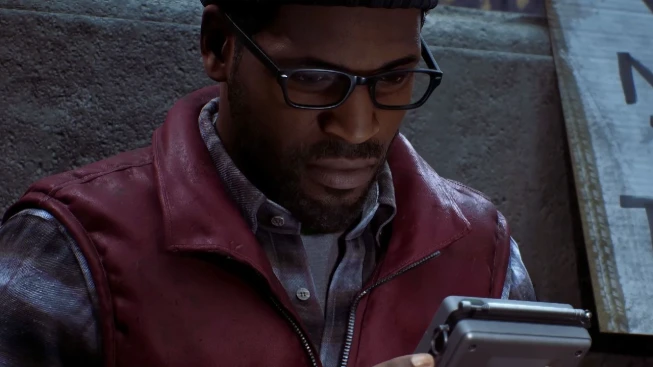
Even Townfall selling 500,000 copies or reaching one million over time could add something meaningful to those totals.
Reaching one million copies would help push the franchise closer to 15 million sales, which would be a respectable result for a smaller project. If its development budget was relatively modest, Konami might find it worthwhile even if it didn't match the performance of the larger games.
The next confirmed project in the broader roadmap is the Silent Hill 1 remake, which brings Bloober Team back to the franchise after its work on the Silent Hill 2 remake. The return to the original game makes sense, especially with renewed interest in the series following its recent releases.
There is nothing necessarily wrong with working with the same developers, and another batch of projects from the people who made Silent Hill 2, Silent Hill f, and Townfall could still be some good games. But relying solely on those three studios could eventually limit the franchise’s ability to expand.
The f team on Silent Hill might be especially good at making another original game. Its approach allows for the exploration of different historical periods, locations and cultural influences, allowing each entry to find its own identity. The characters’ settings and experiences could be used as inspiration for the story of a future game set in Africa or elsewhere in the world.
There’s more remakes to do beyond Silent Hill 1. Silent Hill 3 has a different personality and deserves a modern reimagining, while Silent Hill 4: The Room is still a more polarizing entry that has its own fanbase. Both games offer modern players the chance to re-experience familiar stories, albeit in different ways.
But Konami doesn’t necessarily need to limit its experimentation to stories, settings and periods of time.
Gameplay could also become a major area for innovation, particularly because combat has never been the strongest or most consistent element of the franchise. The Silent Hill 2 remake uses third-person combat, while Townfall takes a first-person approach and Silent Hill f introduces a different style of encounters.
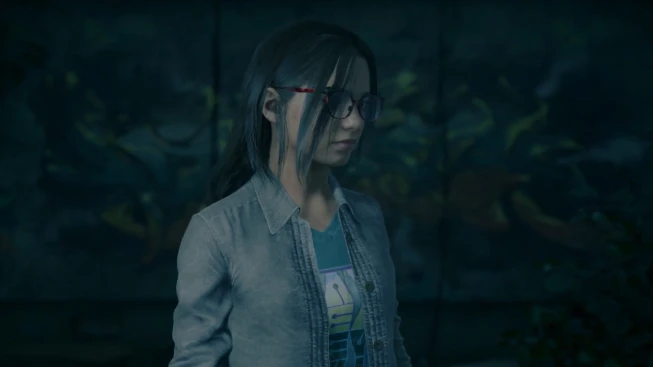
A future Silent Hill game could even experiment with side-scrolling, a 2D presentation, or a platforming structure. These ideas may seem strange in a series about atmospheric exploration and psychological horror, but they could provide new ways of telling its stories. Even if the game was still more dialog and written storytelling based, a 2D game could still explore complex themes and character development. The important thing would be to make the format work for the story, rather than just picking a genre for the sake of being different.
We might also see Konami dabble in genres that haven’t been typically associated with Silent Hill. For example, a visual novel inspired by Danganronpa might focus more on the characters, the mysteries, and the psychological toll of the circumstances they are in. Such a project would need to retain the horror elements that make Silent Hill recognizable, but it wouldn’t have to follow the gameplay structure of its predecessors.
Konami has already indicated that it has more projects in mind beyond the games currently announced. Reports about the franchise's development plans have suggested that the company is thinking about subsequent waves of releases, with additional projects that it isn't ready to discuss publicly.
Another Silent Hill Transmission could provide an opportunity to explain those plans.
The original presentation helped introduce the Silent Hill 2 remake alongside other projects, so a future event could use the Silent Hill 1 remake as its main attraction while teasing what comes afterward. Konami could start another wave of games like this, beginning with a familiar remake and then moving onto more experimental projects.
There are many studios interested in making Silent Hill games, but Konami should be careful not to release too many of them in a short time span. Having one game a year seems reasonable, because if they released multiple in one year each release might not get the attention it deserves.
image
Konami also can’t assume its current partners will always be available or willing to return. Bloober Team could eventually become the primary studio for remakes, while the developers behind Townfall might decide that one project is enough for them. In that case, finding a new team would be better than forcing an existing developer to stay on.
Silent Hill’s recent resurgence has ultimately given Konami more options than it had during the quieter years of the series. The Silent Hill 1 remake is obviously the next step, but original stories, more remakes, new gameplay styles, and new development teams could all help shape what’s next.
Konami doesn’t have to throw out every idea or take the franchise to its extreme, but it should be open to worthwhile projects. As long as the company can find a balance between creative freedom and a sustainable release schedule, Silent Hill can continue to grow without relying solely on nostalgia or flooding players with too many games.
Editor, NoobFeed
Related News
No Data.