
AMD RDNA 5 Could Launch Alongside PlayStation 6 and Xbox Helix in 2027
AMD RDNA 5 Rumors Suggest Powerful Next-Generation GPUs Could Arrive Alongside Sony and Microsoft's Upcoming Consoles.
Hardware by Tanvir Kabbo on Oct 18, 2026
The next generation of gaming hardware might arrive as early as November 2027, with AMD's RDNA 5 graphics architecture, Sony's PlayStation 6, and Microsoft's next-gen Xbox Helix all apparently targeting the same launch window. The probable release window comes as increased component costs, a memory shortage, and the threat of delays loom over next-gen gaming hardware.
AMD RDNA 5 Could Arrive in the Second Half of 2027
Rumors say AMD will release RDNA 5 in the second half of 2027. Kepler L2 says the first disclosure could come as early as Computex, but a later announcement is more likely. The research also shows that consumer graphics cards won't use 4GB GDDR7 memory modules.
Currently, products like the RTX 5080 use 2GB GDDR7 modules, but 3GB modules are likely to become commercially available with the rumored RTX 5080 24GB model in Q1 2027. 4GB modules are also likely to appear, though they may target AI hardware more than gaming graphics cards.
Kepler L2 has also claimed that the PlayStation 6, Xbox Helix, and AMD's AT2 discrete graphics cards could launch in November 2027. That would put the next generation of consoles and AMD's future desktop GPUs on something of a similar release schedule.
Timing matters, as the PlayStation 5, Xbox Series X, and AMD Radeon RX 6800 XT will approach their sixth anniversary in November 2026. So a November 2027 launch would mark about seven years after the current console generation launched.
PlayStation 6 and Xbox Helix Could Avoid Delays
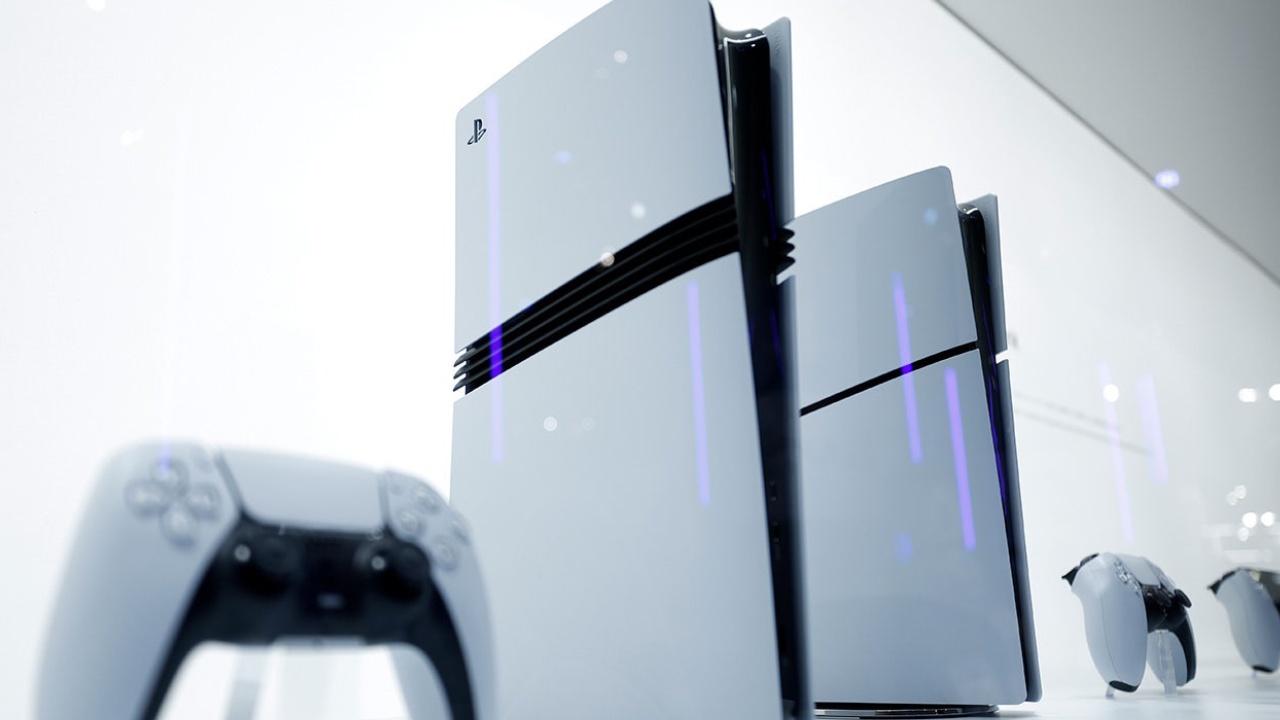
From what we know, the schedule suggests Sony and Microsoft are on track for their next-generation consoles without major delays. Apparently, the PlayStation 6 system-on-chip has been under development for quite a while and has even been taped out.
But the largest worry is the cost of manufacturing these systems. There has been talk that the PS6 bill of materials would be near $1,000. If its processor is larger and its memory arrangement is more substantial, Xbox Helix could cost much more to build.
These values remain theoretical for now, and final retail prices will depend on production costs, component availability, and each manufacturer's pricing strategy. But such expensive hardware raises concerns about whether the next console generation will be accessible to everyday players.
AMD AT2 Graphics Cards Could Deliver Higher Performance
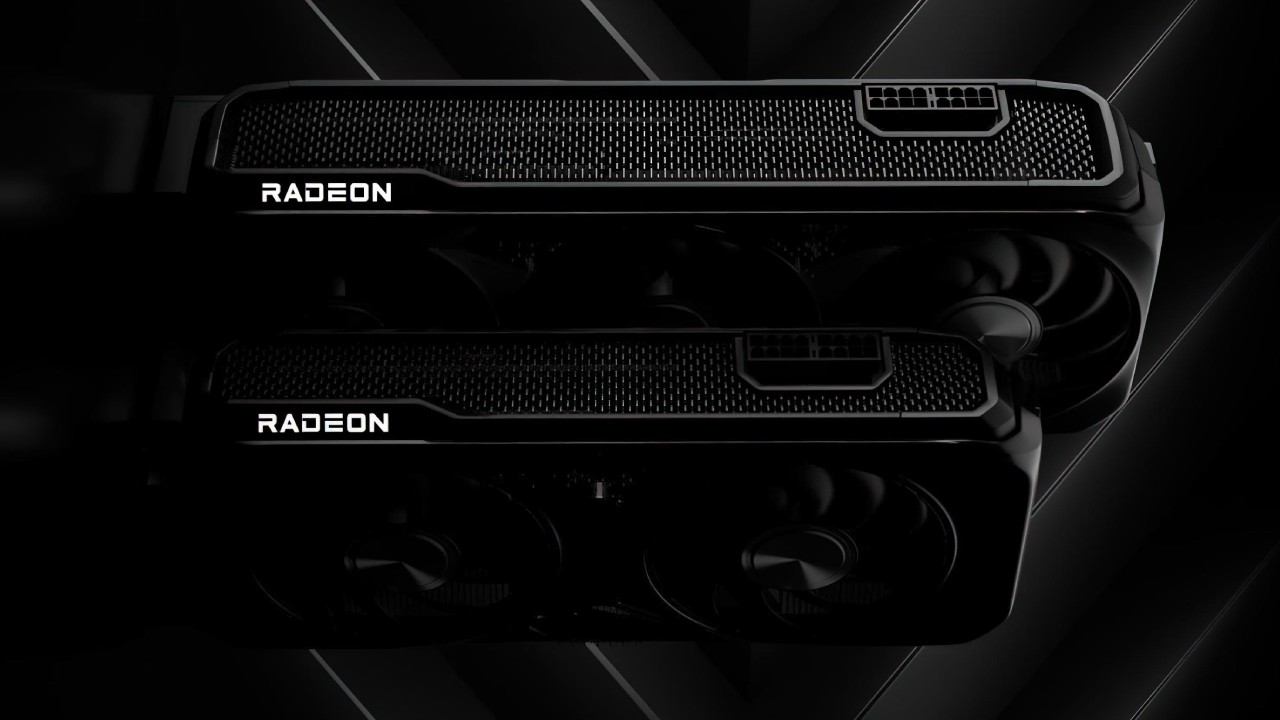
AMD's AT2 discrete graphics processors should be among the first consumer devices using RDNA 5. Rumors suggest configurations with up to 70 compute units, which could make the hardware a competitive choice in the high-performance graphics market.
Some performance speculation suggests these GPUs could be 10-20% faster than the RTX 5080. However, it's still impossible to assess such a comparison without knowing the workloads involved. Performance on rasterization, ray tracing, individual games, and synthetic benchmarks might vary dramatically. It's also unclear if these are internal goals or actual numbers from hardware nearing completion.
Another noteworthy part of the speculations is the clock speeds. The PlayStation 6 may target around 3GHz, while Xbox Helix may target around 3.2GHz. The desktop RDNA 5 graphics cards are reportedly clocking in at around 3.5GHz or more. These would be aggressive rates, while final retail specs may differ from early engineering aims.
Rising Memory Prices Could Complicate the Launch Schedule
The release window looks optimistic, but escalating component costs could make it tough to get next-gen gaming gear out the door. Reports indicate AMD began hiking GDDR6 costs on October 1, 2026, while NVIDIA held off on equivalent GDDR7 price hikes. Pricing pressure is also strong across the overall graphics card market. Some retailers have listed the RTX 5060 Ti 8GB for as much as $750, with a 16GB variation also listed for close to $1,300. These numbers show the uncertainty around GPU pricing, although regional retail prices don't reflect the broader worldwide market.
If memory prices stay high, AMD, Sony, and Microsoft may be forced to make hard choices about hardware requirements, manufacturing costs, and retail pricing. The November 2027 launch window remains possible, but price could become as important as performance.
Ultimately, RDNA 5, PlayStation 6, and Xbox Helix could mark a major shift in gaming hardware. Whether these items will ship on time and at acceptable prices will depend on component supply and production costs over the next year.
Senior Editor, NoobFeed
Gaming Hardware Updates
No Data.