
Fire Emblem's $115 Price Tag Sparks Concerns Over Nintendo's Growing Greed
Nintendo's latest Fire Emblem release costs $80 at retail, and its newly announced $35 expansion has raised concerns about how much fans are expected to pay for a single game.
News by Mahi Araf on Oct 16, 2026
Nintendo's pricing strategy has become increasingly hard to defend, especially as more games arrive with higher price tags and additional paid content. While an $80 launch price for a major Switch 2 release might not surprise you anymore, the latest Fire Emblem game takes things a step further. With the game already costing $80 physically, Nintendo announced a $35 DLC package less than a month after release, bringing the total to $115 if you want everything.
The $80 price tag is already controversial. Nintendo has announced new prices for some of its Switch 2 titles since the launch of Mario Kart World. The company's lineup is seeing more $80 titles, including Kirby and the Forgotten Land Switch 2 Edition, Super Mario Party Jamboree Switch 2 Edition, and others. But just because consumers have gotten used to these prices doesn't mean they should stop questioning them.
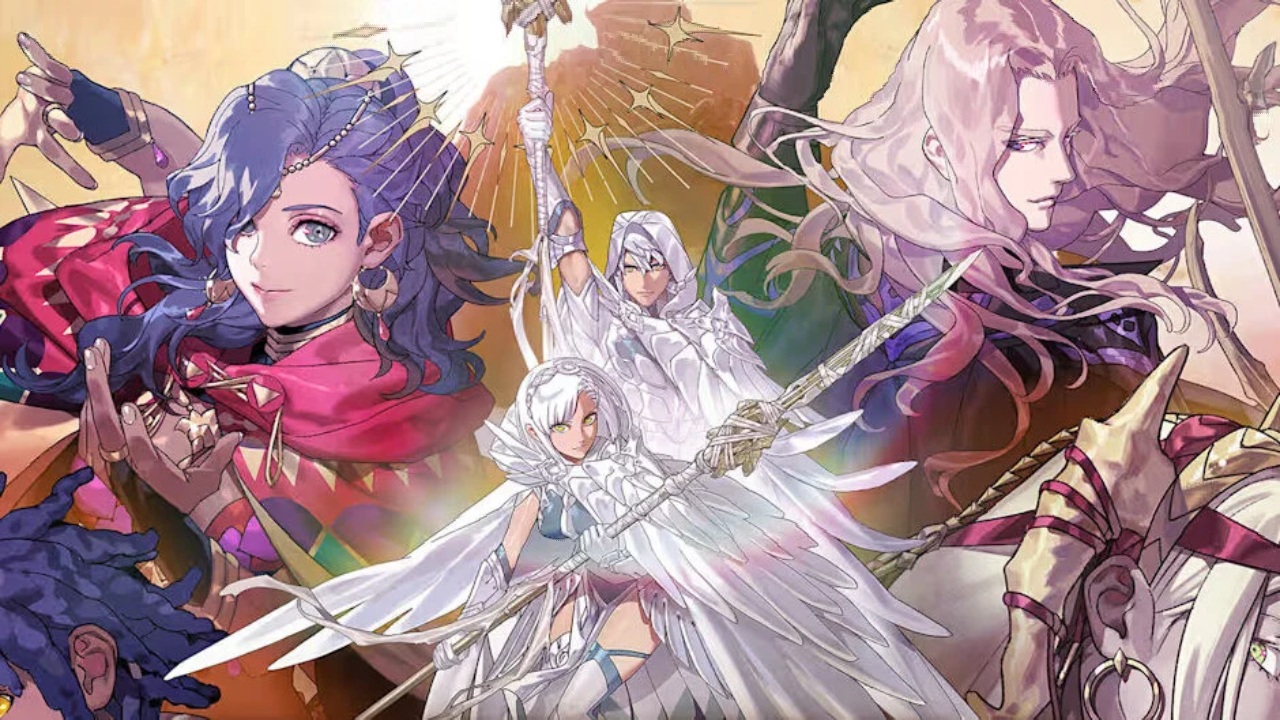
To add insult to injury, this comes from a company with a long history of physical games: Nintendo.
Some players will argue that they paid $70 for the latest Fire Emblem release, digitally, but physical copies are $10 more. That higher retail price is a major point of discussion for a company that has long championed physical game ownership.
The new Fire Emblem game, which launched on September 17, hasn't even been available for a full month, yet Nintendo has already announced another expensive purchase for its audience. Normally, you'd expect a game's launch period to be when excitement is still high, and players are discovering everything it has to offer. Instead, much of the conversation surrounding this release has shifted toward complaints about its design and the amount of busywork involved.
Interestingly, many of those criticisms seem to come from longtime Fire Emblem fans rather than people unfamiliar with the franchise. The series has changed significantly over the years, particularly around the release of Fire Emblem: Three Houses. As with other Nintendo franchises, the Switch generation has created a noticeable divide between longtime fans and those who discovered these games through the company's newer hardware.
That makes the $35 DLC announcement even harder to ignore.
Some players have been discussing whether the latest Fire Emblem could compete for Game of the Year, yet the conversation has now expanded to include the cost of experiencing everything the game offers. The additional content costs more than the recently announced Pokémon DLC, a franchise Nintendo fans sometimes treat as a separate case because of Game Freak's involvement. Even then, the Pokémon expansion costs $5 less.
Of course, Fire Emblem's new content comes as a season pass, which helps explain the higher price compared with an individual expansion. However, that doesn't automatically make $35 reasonable, particularly when the base game already costs $80.
This pricing strategy has pushed some players away from buying games on PlayStation and Xbox. You purchase a full-priced release, and within weeks, the publisher announces additional content that can cost a substantial amount of money. Instead of feeling like you're getting a complete experience, you're left wondering how much more you'll need to spend to access everything.
For years, Nintendo offered an alternative.
You could purchase a game for around $60 and generally expect the main experience to be complete on the cartridge. That doesn't mean every game needs to receive paid expansions or that additional content is inherently a problem. A game like Mario Kart World, for instance, could benefit from more tracks, characters, and other additions over time. But if you're already paying $80, there's a reasonable expectation that meaningful post-launch support should come in the form of free content, not just more shit to buy.
With the latest Fire Emblem release, the numbers are difficult to overlook. An $80 physical copy combined with the $35 season pass brings the total to $115. Even if you remove the physical price premium and calculate everything using the $70 digital price, you're still looking at $105 for the base game and its additional content.
For a franchise that has traditionally occupied a more niche position in the gaming market, that raises questions about Nintendo's expectations. Fire Emblem has a dedicated audience, but its individual releases generally haven't reached the sales figures associated with Nintendo's biggest franchises. The latest entry has also reportedly opened more slowly than Fire Emblem Engage, which sold 1.61 million copies worldwide.
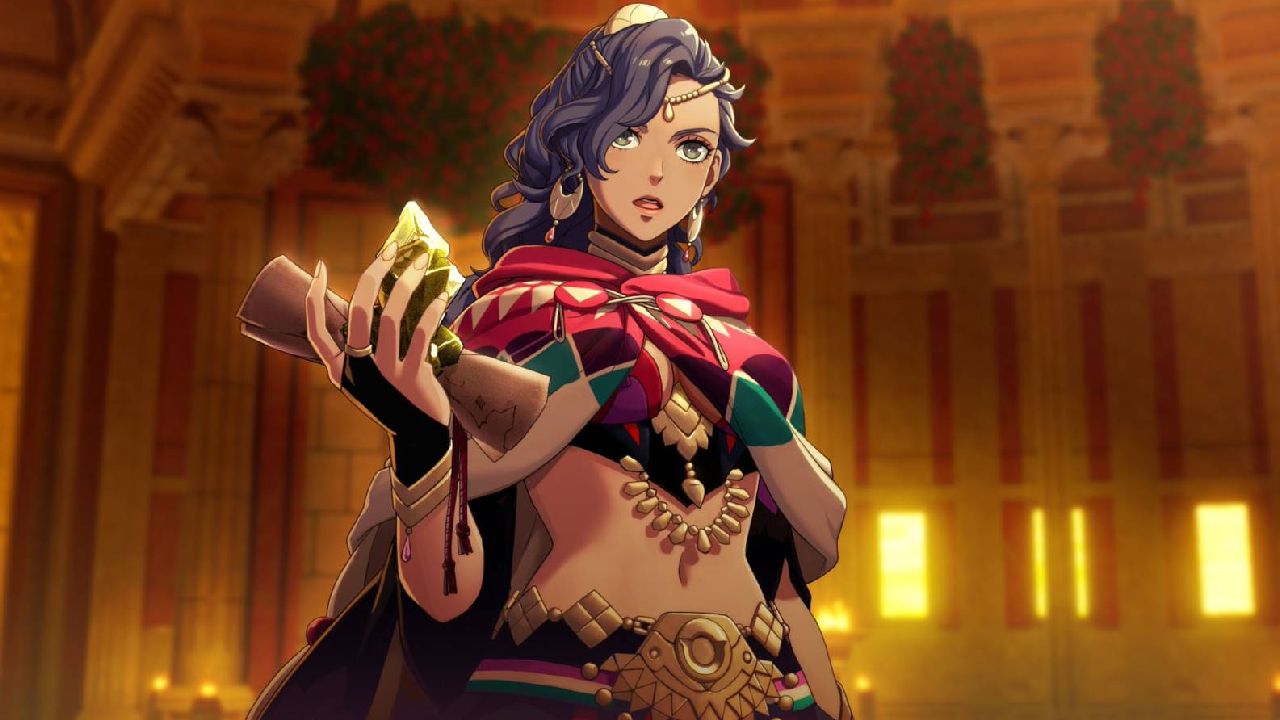
That could explain why Nintendo appears comfortable asking its most dedicated fans to spend more. Instead of trying to grow the franchise's audience with cheaper pricing, the company may be trying to serve people already willing to pay whatever it asks. If Nintendo doesn't think the Fire Emblem audience can grow much larger, it might become increasingly tempted to squeeze as much revenue as possible from its existing fans.
But that approach gets interesting, especially when you compare Fire Emblem to Grand Theft Auto 6.
Rockstar's next open-world title is arguably one of this generation's most anticipated games. The title's launch is expected to draw heavy mainstream coverage, with even people who haven't played a Grand Theft Auto game in years watching. Based on the trailers released so far, some aspects of the game won't appeal to everyone. But its potential impact on the industry is hard to deny.
The hype for Grand Theft Auto 6 has already led people to spend hundreds of dollars on used Xbox Series X and PlayStation 5 consoles in anticipation of the game's release. The Xbox Series S has also become an attractive option for players looking for the cheapest way to access the game. Some of these buyers may have little interest in playing anything else on their new consoles, showing how much demand Rockstar has generated.
That level of anticipation gives Rockstar considerable room to experiment with pricing. The company could potentially charge significantly more than the standard price and still attract millions of buyers on launch day. Its collector's edition is already expensive enough to cost more than some dedicated gaming handhelds, yet the standard version of Grand Theft Auto 6 is expected to cost $80.
That doesn't mean $80 is a reasonable price for every game, including Grand Theft Auto 6.
However, the circumstances surrounding Rockstar's release differ greatly from those surrounding Fire Emblem. One is an enormous mainstream release with unprecedented levels of anticipation, while the other serves a much more specific audience.
Even with that distinction, Rockstar's pricing strategy reportedly includes a $100 Ultimate Edition. If you're comparing the cost of accessing the additional content these releases offer, Fire Emblem's $115 combined price is still higher than the $100 Grand Theft Auto 6 package.
That comparison isn't meant to suggest that Grand Theft Auto 6 will necessarily be a better game. A dedicated Fire Emblem fan could easily enjoy Nintendo's strategy RPG much more than Rockstar's open-world adventure. The context around these prices is what matters: the audiences being targeted and the expectations publishers create for their customers.
Nintendo's pricing is difficult to understand given the cost of their hardware and accessories.
Buying a Switch 2 already requires a substantial investment, and many of the company's accessories aren't cheap either. You could reasonably expect Nintendo to offer more accessible software prices to balance those expenses.
Instead, the company appears increasingly comfortable raising game prices while charging extra for additional content. For players who once saw Nintendo as an alternative to other console manufacturers' expensive practices, that's a disappointing shift.
The reaction to the Fire Emblem announcement has also been relatively limited outside certain corners of the Nintendo community. Part of that could simply come down to the franchise's smaller audience. Fire Emblem doesn't get the same attention from the wider gaming industry as a major Pokémon or Mario release does.
But the limited pushback also raises the question of whether Nintendo's most loyal audience has become too accepting of its pricing decisions. Some gaming sites and YouTubers might hesitate to call out the company for fear of turning viewers off or being accused of anti-Nintendo bias.
.jpg)
Whatever the reason, it's worth asking why it's charging $35 for DLC so soon after launching an $80 game. It sets a precedent for future releases, especially if Nintendo sees little resistance from its audience. The company has already shown consumers will pay $70 for games that might otherwise fall into a lower price bracket. For example, Donkey Kong just came out at $70, with $20 of DLC. And that's already catching some heat.
Now, the latest Fire Emblem game and its expansion push that situation further, with the combined cost reaching $115.
It's difficult to say where Nintendo's pricing strategy will go from here, but the direction is concerning. If consumers continue accepting higher launch prices and increasingly expensive expansions, publishers have little reason to stop raising costs. The goal eventually becomes extracting as much money as possible from players already committed to a franchise.
That strategy could also create a disconnect between Nintendo and the people buying its hardware. Millions of players have purchased the Switch 2 hoping to experience major releases, including the anticipated Ocarina of Time remake. Nintendo could deepen that relationship by offering those experiences at reasonable prices and offering more content without constantly asking players for more money.
Instead, even smaller releases are becoming increasingly expensive. Paying $70 for a tennis game or a Yoshi game might have seemed unusual a few years ago, but those prices are becoming part of Nintendo's new reality.
Ultimately, the problem isn't simply that one Fire Emblem game costs $80 or that its season pass costs $35. It's the combination of both decisions, the timing of the announcement, and what they suggest about Nintendo's future approach to game pricing. When you have to shell out more for the hardware to start with, it's hard to swallow paying $115 more for the full package of just one game.
For decades, Nintendo has built its reputation on its games, characters, and unique take on the gaming world. If it keeps doing the expensive things that made other publishers less attractive to its audience, it risks losing some of what made its platform attractive in the first place.
Senior Editor, NoobFeed
Related News
No Data.