
Nintendo's Ocarina of Time Remake Faces Backlash Over Character Designs and Simplified Puzzles
The Legend of Zelda: Ocarina of Time's reported changes have sparked debate among fans, but not every redesign or gameplay adjustment is necessarily a reason to worry.
News by Mahi Araf on Oct 16, 2026
Some fans are already taking issue with Nintendo's planned remake of The Legend of Zelda: Ocarina of Time for the Nintendo Switch 2, believing the firm has changed too much about the cherished 1998 classic. Plenty of features, from altered characters to possibly reduced dungeon riddles, have people wondering whether the remake stays loyal to the original or takes a different route.
Some fans aren't thrilled with what they have seen so far, while others think the changes are part of what makes a remake different from a remaster. After all, if you've played the original game, you might want something familiar, not a carbon copy with better visuals. However, not all changes will necessarily work for everyone, especially if you've spent years getting to know the original game's characters, puzzles, and dungeons.
The first thing that catches the eye is the revamped Bombchu Bowling Lady. Her style in the remake differs significantly from her original Nintendo 64 design, with some fans accusing Nintendo of softening her features. Some players like the new style, but others prefer the original design and think the changes weren't necessary.
Side by side, the two versions show several differences.
Her nose and eyes seem to have changed, while her clothes and belt have undergone modifications. Her overall look has changed, yet she still keeps a few signature features, such as her hair and pointy ears. Some admirers have pointed out changes in her proportions, claiming her original design has been altered or suppressed.
But consider one other thing before judging the changes. The original Ocarina of Time was developed for the Nintendo 64, back when many players still played on CRT displays. Those displays handled images differently than modern high-definition televisions. Upscaling an old game and viewing it on a modern screen can make certain details stand out more than they did on the original hardware.
That isn't to say the initial design was necessarily dissimilar to what players remember, but it does make like-for-like comparisons more difficult. The original character was designed with the Nintendo 64's technical limitations in mind, and her design was influenced by how games looked at the time. So when you see an upscaled image, it may not give you the same impression as playing the original game on the hardware it was made for.
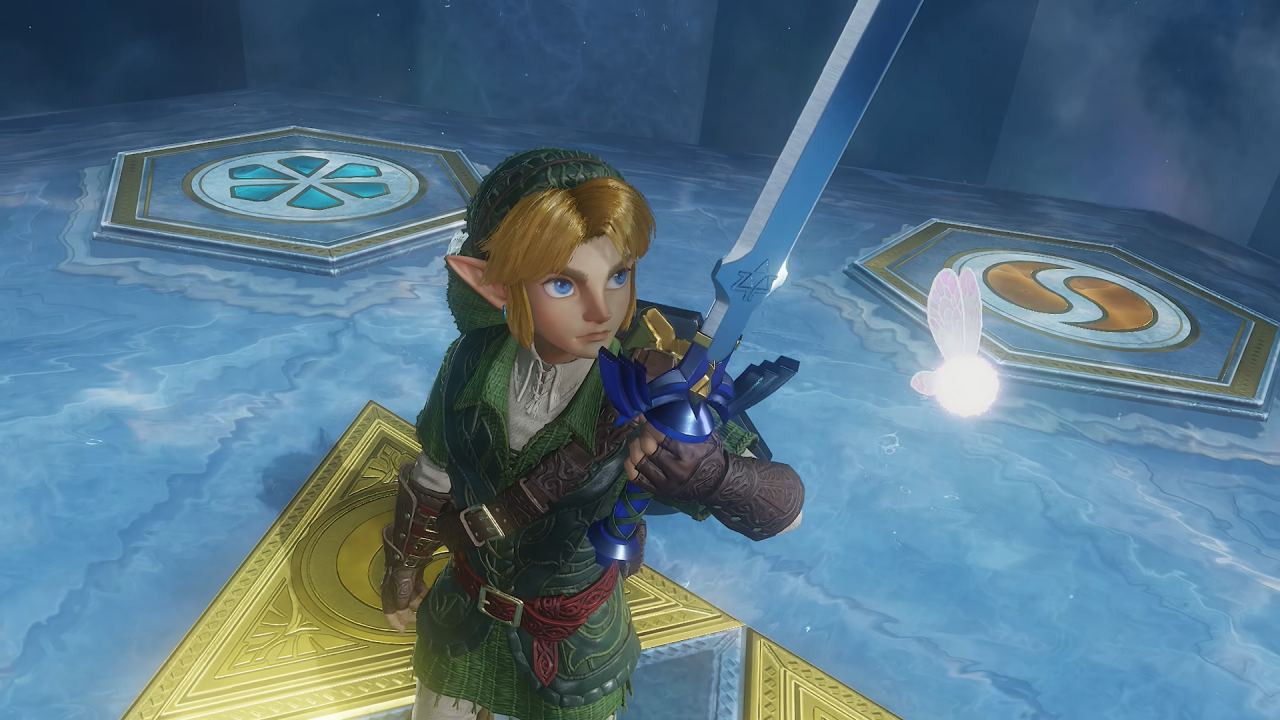
The main point, though, is that the Bombchu Bowling Lady isn't the only character getting a graphic upgrade. The remake seems to have made significant changes to several characters' designs, including Link. This isn't some remaster where they just slapped some finer textures and higher pixels on the old models.
There will be differences, as Nintendo appears to be changing the game's overall visual appeal.
That's a key difference when you're talking about whether a remake has destroyed a classic. If you want the original experience with better graphics, a remaster might be closer to what you're thinking. But a remake gives developers more freedom to reconsider character concepts, locations, and gameplay mechanics.
Of course, that doesn't mean you have to accept every decision automatically. You can still hate the redesign or think Nintendo changed something that didn't need changing. But judging one character's new look without looking at the broader visual upgrade might not tell the whole story.
The fun really starts when you look at potential changes to the game's dungeons and puzzles. However, changing a challenge can directly alter how you play through Ocarina of Time, especially if you remember the temples and their dynamics from the original game.
For instance, in the Forest Temple, one challenge in the original game required you to move rotating platforms to hit a frozen eye on the wall with a Fire Arrow. To solve it, you had to aim so the arrow would fly through a flame before hitting its target. It was a unique challenge that showed how the shifting platforms and your weapon interacted.
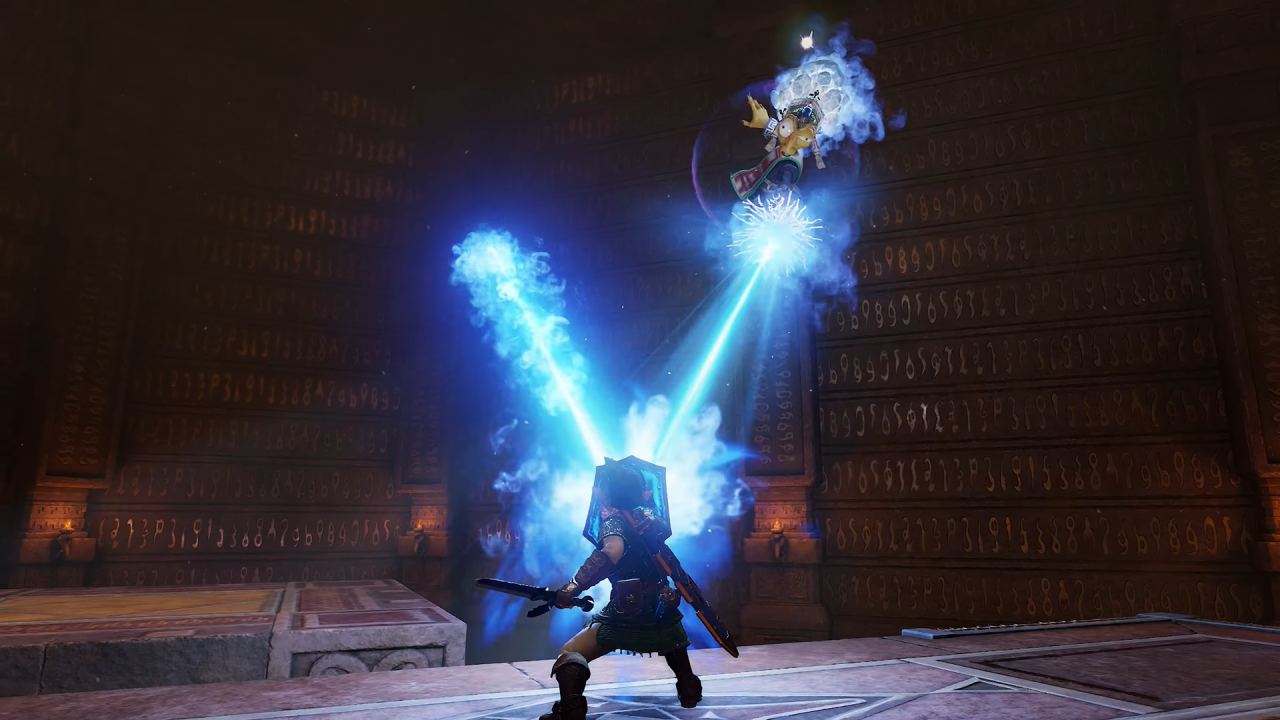
But online footage and photographs suggest the remake may have left the rotating platforms out of this room. Instead, the puzzle seems to be a simpler torch-through shot. If that explanation is right, the update could make the puzzle much easier than in the original game.
That potential is disheartening for players who liked going through the earlier edition.
Ocarina of Time wasn't hard per se; it was more about paying attention to your surroundings and experimenting with the tools you had. Removing a mechanic that made a puzzle intriguing can reduce the satisfaction of solving it.
Some who have seen the remake demo have also noticed that some puzzles have changed, making them more basic than their original-game counterparts. That has raised fears that Nintendo may be streamlining several parts of the game, not just remaking them.
That said, there is reason to be cautious in taking inferences from the material that has emerged so far. The Forest Temple seems to have been adjusted, and the room map looks different from the original. Some dungeons in the remake may have been rebuilt, so familiar rooms and mechanisms may not be in the same place.
The problem may have been redesigned, moved, or repurposed elsewhere in the temple. The untwisted blue hallway footage doesn't necessarily mean the original puzzle is gone from the game. It could just show a new way of approaching that particular piece.
That said, if Nintendo removed the rotating-platform function without replacing it with something similarly fun, it's understandable to be dissatisfied. The original puzzle was remarkable because it wasn't just about shooting at a target; it required timing, positioning, and the Fire Arrow.
That simplification could make the remake less satisfying for players who liked that design.
Similar concerns have been raised about other gameplay changes following previews of the remake. Some gamers have complained about how certain adversaries act, perceived damage nerfs, and lighting changes in certain regions. Some have also complained that it's easier to escape the grip of wall-crawling monsters.
The damage changes are particularly notable, though they may not reflect the final release's difficulty. Sometimes developers tweak difficulty settings in preview builds so journalists and other players can see more of the game in a short demo. If the clip shows adversaries doing less damage, that might be a preview-event tweak, not a permanent change to the game's gameplay.
Without clarification on how the final version will work, it's hard to say whether Nintendo has truly made combat easier or whether players are seeing a tweaked build.
Another change that divides players is the ability to escape some enemies more quickly. If you remember how annoying these encounters could be in the first game, the change might actually be welcome. However, players who think these enemies should still be a threat may see it as another example of the remake taking away some of the original game's difficulty.
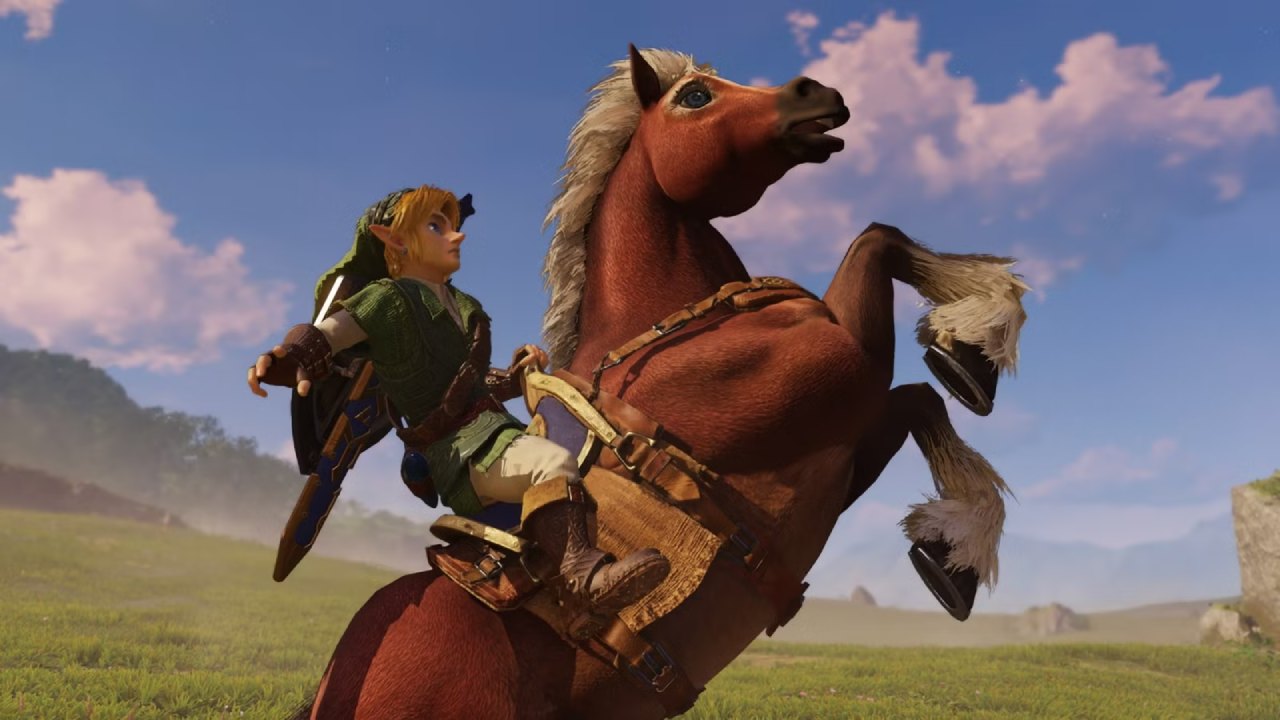
The interesting thing about the lighting adjustments is that they could signal a bigger shift in the game's universe. In the original release of Ocarina of Time, time would stop passing when you entered a dungeon or temple. The day-and-night cycle continued as you traveled the overworld, but it didn't work the same way inside these locales.
The remake seems to take a different route, letting time pass while you explore dungeons. This implies the lighting can shift throughout the day, which could change how familiar places look at different times.
Hyrule Castle Town also seems to benefit from this tweak, since the day-and-night cycle now works in an area that previously didn't. These adjustments could explain some of the lighting discrepancies gamers have seen in the accessible film.
It's worth thinking about the remake's systems, treating each difference as a separate change. If the developers changed the time of day for the whole game, the lighting, landscapes, and atmosphere could all differ from what you recall.
In the end, the remake will change some elements of Ocarina of Time, and that's not always a bad thing.
The character designs have been cleaned up, the environments have been changed, and a leap mechanic is rumored to have been introduced. These are big upgrades, and they show Nintendo is doing more than just remaking the original game with better graphics.
The real question is whether those changes improve the experience or take away from what made the original so memorable. Some gamers may like the new designs and gameplay tweaks, while others may prefer how it played on the Nintendo 64. Both responses are understandable, especially when the original game is so ingrained in gaming history.
The good news is that the original Ocarina of Time is still around. You can play it on Nintendo 64 hardware, the Nintendo 3DS version, or Nintendo Switch Online on the Switch 2. Fear not: the remake doesn't overwrite those versions, so you can still play the classic adventure as intended.
That also means the remake could be something distinct.
If you have played Ocarina of Time, a version with the same characters and locales but with new gameplay might give you a reason to return to Hyrule. Not every update will necessarily land, but that's part of the complexity of redesigning a game that many players already know.
The Bombchu Bowling Lady's redesign probably won't define the remake's overall quality, especially since the broader visual overhaul seems to affect the whole ensemble. The possible dungeon changes are more concerning, as they could affect the puzzles and exploration that defined the original experience. But the evidence released thus far doesn't yet tell us whether every alleged simplification will carry over into the final game.
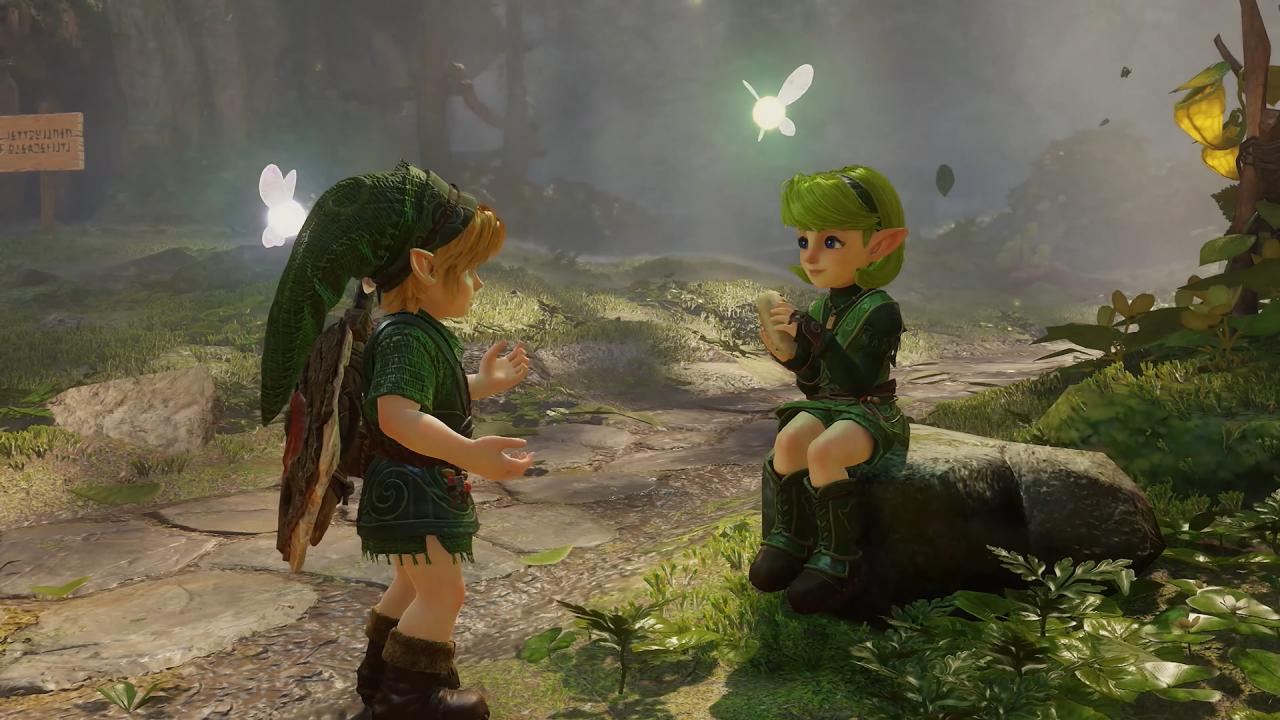
For now, the criticism of the remake seems premature in several respects. There are good reasons to push back on changes to familiar puzzles or combat techniques, but it's also worth waiting for more info before concluding Nintendo has taken away everything that made Ocarina of Time distinctive.
Dedicated fans may not enjoy some of the remake's changes, but it could still feel like home while being different enough to make another trip through Hyrule worth it. It's tough to judge if the tweaks will eventually improve the journey or leave some gamers wishing Nintendo had stuck closer to the original until more of the game is unveiled.
Senior Editor, NoobFeed
Related News
No Data.