
Intel CPU Price Hikes Reach 20% as AMD Ryzen Prices Set to Rise
Intel's reported CPU price increases threaten budget gaming builds as AMD prepares potential Ryzen pricing adjustments across its processor lineup.
Hardware by Tanvir Kabbo on Oct 12, 2026
The desktop CPU market is on the verge of another price shock, adding to the problems PC makers already face as they try to keep their machines competitive amid costly graphics cards and memory. According to a supply chain report, multiple Intel processor series are seeing retail price hikes of 15–20%, and AMD reportedly plans to raise prices for its Ryzen processors.
If they continue, these price increases may make it harder to build an affordable gaming PC by the end of 2026. Competition is key to getting more for less, and it has long been between Intel and AMD, which has helped consumers so far. But if both brands keep raising prices, the cost difference may shrink when you switch brands.
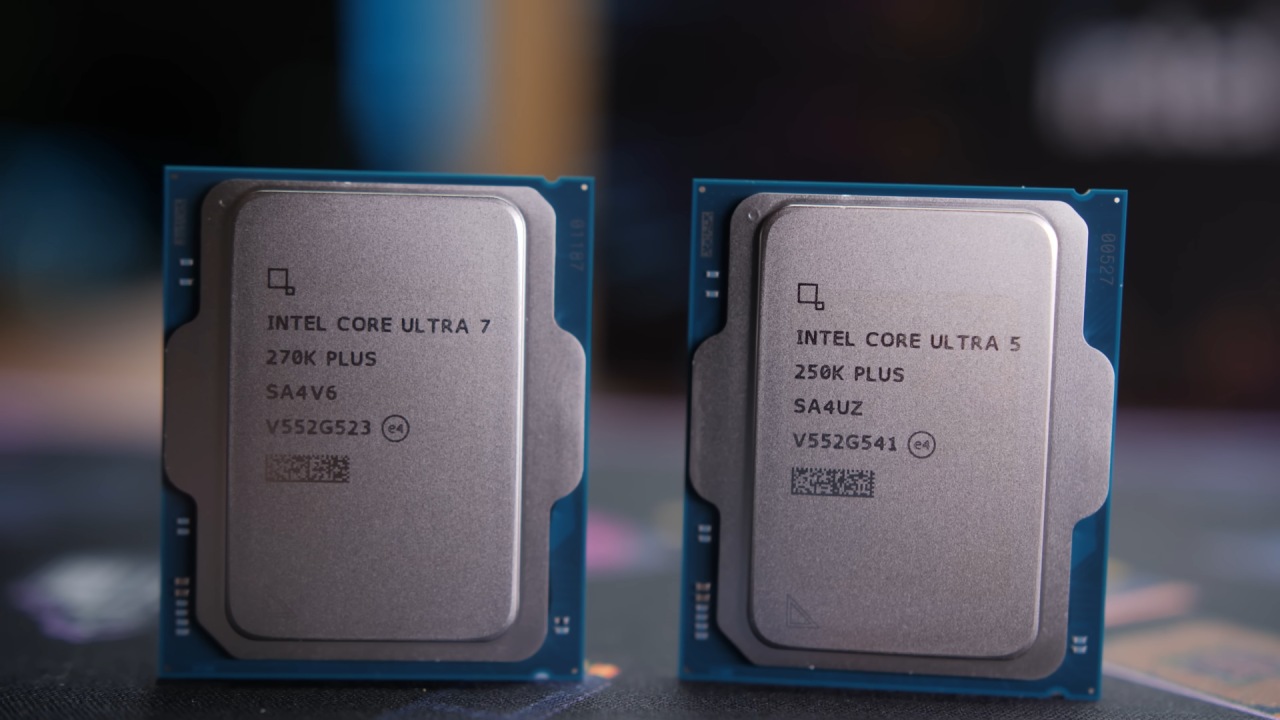
Intel's 20% Markup Threatens CPU Value
The reported Intel boosts cover both newer Core Ultra chips and legacy Core generations, which could affect buyers at a range of performance levels. These increases won't just affect flagship products; they may also erode the value of processors typically targeted at budget and mid-range gaming machines.
A 15–20% price increase can significantly reduce a CPU's appeal without offering any performance improvement. A processor priced at $250 would cost $287.50 to $300 after a similar increase. That extra cost doesn't buy you extra cores, faster clock speeds, or better gaming performance.
If the price of older Intel chips rises instead of falls with the introduction of newer chips, they may lose appeal. Older technology is usually only worth buying on sale. If those discounts disappear, budget-conscious consumers may have no good option.
But not all Intel processors will be adjusted equally, according to the increases reported. Because each model will change price differently, it will depend on inventory, distributor pricing, and retailer pricing.
AMD's Price Increases Could Eliminate Competition
The situation is far more distressing when you see what AMD plans to do as Ryzen prices rise. Normally, Intel's price hike would afford AMD a chance to win customers with aggressive pricing. If Ryzen chips can offer similar performance at a lower price, they might become even more appealing.
But AMD could also be reacting to rising manufacturing costs and other input pressures. For a company that depends on outside fabrication, TSMC wafer costs, capacity, and increasingly complex semiconductor manufacturing are all factors to consider. If prices rise on both sides, consumers might lose much of the financial flexibility that makes competition helpful. Even if AMD is less aggressive with price increases than Intel, savings for Ryzen buyers might be reduced.
Not every product category is likely to do that. Value buyers may still have options because of existing inventory, retailer promotions, and processor model variations. However, if increases were simultaneous, it would be harder to find affordable options.
.jpg)
TSMC Costs and AI Silicon Add Supply Pressure
Advanced semiconductor manufacturing requires high fabrication costs, sophisticated equipment, and large investments. As manufacturing costs rise, chip manufacturers are pressured to cut costs or raise product prices.
Another challenge comes with advanced packaging. Advanced packaging technologies and high-bandwidth memories are becoming standard parts of AI accelerators, further demanding specialized manufacturing capacity. While not all desktop CPUs share the same manufacturing processes as AI accelerators, capital, equipment, and semiconductor manufacturing capacity remain universal constraints.
AI silicon profitability also shapes corporate priorities. Data center processors and AI accelerators serve customers willing to spend heavily on computing infrastructure. Intel and AMD serve this market, which strongly motivates both companies to pursue opportunities in enterprise and AI computing.
That's not to say either company is trying to artificially limit desktop CPU supply to inflate prices. But as high-value AI products have attracted significant investment, consumer processors must now compete in a data-center-dominated market.
The Budget PC Build Is Under Threat
The impact may hit budget and mid-range builders especially hard. If the CPU costs $150 and rises 20%, the new price would be $180; if it costs $350 and rises 20%, it would be $420. These are examples of the financial consequences, not the proven prices of specific models.
That extra spending can lead to compromises, such as opting for less powerful graphics or less memory, or delaying a graphics upgrade. Remember, when you're dealing with a motherboard and memory that can eat up a big chunk of your budget, even a minor CPU upgrade can throw off your entire build.
Senior Editor, NoobFeed
Gaming Hardware Updates
No Data.