
Nintendo Stands by Physical Games as PlayStation and XBOX Face an All-Digital Future
Nintendo says it has no plans to abandon physical game releases, offering a different approach as PlayStation and Xbox move toward a future where digital distribution could become the industry standard.
News by Tahmid Mahi on Oct 12, 2026
The video game industry is moving toward a future that looks very different from what players have experienced over the past three decades. Buying a console, visiting a store, and bringing home a physical copy of a new game used to be a normal part of gaming. That familiar routine is becoming less common as digital storefronts and online libraries change how people buy and access their games.
Digital storefronts have changed how people purchase and access their favorite titles, but physical games still have a dedicated audience. Now, as PlayStation and XBOX face growing questions about their long-term plans for physical media, Nintendo has made its position clear: the company currently has no plans to abandon physical game releases.
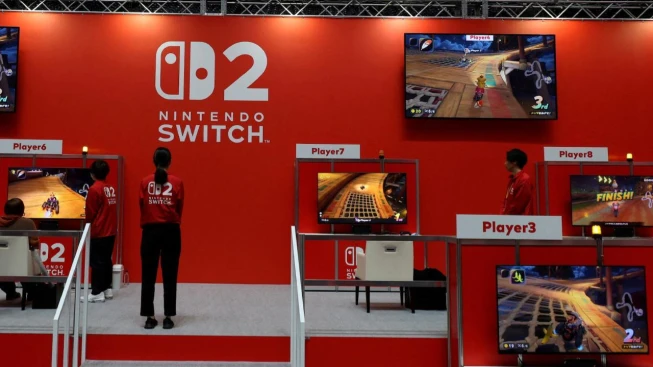
Bill Van Zyll, Nintendo’s vice president and general manager for Latin America, explained the company’s stance on physical and digital games.
His comments provide insight into how Nintendo plans to distribute games as the industry continues to change. Nintendo says it takes consumer preference into account when deciding how to deliver its games, rather than committing to a digital-only future. That stance takes on more significance as physical releases become more important for both console makers and players.
As Van Zyll points out, Nintendo has always been neutral regarding the discussion of physical vs. digital buying. The company takes seriously what consumers like when it is designing its products. It considers those likes. He also said that the Nintendo Switch 2 is capable of playing both formats and that the console is still relatively early in its life cycle.
What makes Nintendo’s take so interesting is that the company generally takes a different approach than its biggest rivals. PlayStation and XBOX have been increasingly shifting toward digital storefronts and subscription services, but Nintendo continues to release physical versions of many of its biggest first-party titles.
The company has also eschewed competing purely on bleeding-edge hardware performance, instead doubling down on its own flavor of consoles and game experiences. That strategy has helped Nintendo carve out a unique place in the industry, and its continued embrace of physical games reinforces that identity.
That said, Nintendo’s commitment to physical releases doesn’t mean that every game available on its platforms comes with a traditional cartridge containing the full experience. Digital-only games and game key cards are already part of the larger Nintendo ecosystem, separating a physical product from a game that can be played entirely from the cartridge itself.
But there is still space for those who like their games on a disk with the company’s more holistic strategy. That flexibility is important because some games are better supported by certain distribution methods, allowing physical media to be supported. This approach also allows Nintendo to cater to different purchasing habits without forcing players to abandon the formats they prefer.
The commercial performance of the big releases adds another layer of complexity to the argument.
Physical games aren’t the powerhouse they used to be, but they still have a substantial following. The source who shared Marvel’s Wolverine sales data said roughly 35% of the comic’s total sales were physical copies, with some areas seeing over 50% sales. Digital purchases were the larger share overall, but those numbers indicate that physical editions still have appeal for a significant chunk of players.
For publishers and platform holders, that creates an important question about whether abandoning physical distribution is worth the trade-off. Digital sales are convenient, and they save the cost of producing and shipping disks, but physical sales still count for a large audience. Some players like to have a boxed edition; some like to collect games or buy used games.
The other difference is the effect on competition and pricing from physical to digital distribution. Retailers can offer price reductions, and the used game markets allow gamers to purchase titles after the initial release at a reduced price. Depending on the platform and format, customers can also sell and trade unwanted games.
Digital purchases are usually tied to a user’s account, so players can’t resell them in the same manner. Consumers would lose an option that currently gives them more flexibility in terms of shopping for new releases with physical games gone completely. This could also make it harder for budget-conscious players to recover some of their spending by selling games they have already finished.
The reports and claims about PlayStation's future approach to game distribution have made it a major part of the conversation. The source specifically mentions a supposed plan for Sony to stop physical game distribution as early as January 2028. If that claim proves accurate, it would represent a substantial shift for a company that has supported physical PlayStation releases across multiple console generations.
The potential change would also affect more than Sony's own games.
A shift away from physical distribution could influence third-party publishers that currently release games on disc for PlayStation consoles. Retailers, collectors, and customers who like physical editions would all have to adjust to a different market. Even if digital sales already account for the majority of sales for many releases, there would still be a familiar option lost for the remaining physical audience.
There are also question marks over XBOX’s future, especially with Project Helix and whether new games will be available on the system via traditional physical disks. XBOX has even experimented with other ways of tying physical ownership to digital access, such as disc-to-digital initiatives. But there are questions about whether future hardware will allow players to buy a new game on disk and pop it into the console.
Hardware costs could be one reason manufacturers reconsider disc drives. Console prices have become a growing concern, and adding components to a system increases manufacturing expenses. The source raises the possibility that future PlayStation and XBOX hardware could become substantially pricier, with high-end systems potentially reaching $1,000 or more.
Nintendo is doing things differently. Nintendo has historically opted for a different balance of features, price, and software rather than trying to match the top-end of hardware performance of PlayStation and XBOX. The company has continued to develop hardware to support its particular business model, although its systems have their strengths and limitations.
Importantly, physical and digital games don’t have to compete with one another.
Digital storefronts will still be an option for downloaded titles, and boxed editions will still be available for those who prefer physical copies. “By providing both formats, publishers have more ways to reach their audiences, and customers get to choose how they spend their money.” Nintendo’s comments suggest that the company would rather keep both distribution methods available rather than forcing players to pick one or the other.
And there’s no guaranty that an all-digital distribution model would mean cheaper games for consumers either. Digital releases eliminate some of the physical costs of production and distribution. But companies still dictate the digital storefronts and prices. Without any physical retailers discounting or used-game sales, customers may have fewer options for finding a lower price.
Nintendo isn’t without its own controversies, and the Game Key Cards show the company isn’t married to traditional cartridges for every release. That said, Van Zyll’s comments do make its immediate stance clear: Nintendo plans to continue to take consumer preferences into account and has no present plans to move away from physical games. That doesn’t mean the company will always take the same approach, especially as technology and buying habits change.
As the next generation of consoles approaches, physical game distribution could become one of the most significant differences between Nintendo and its competitors. PlayStation and XBOX are still being asked about the future of physical ownership on their systems, while Nintendo has gone on the record saying it will keep both physical and digital options available.
The industry may still be moving toward downloads, but physical games are not dead yet. Nintendo's latest comments suggest that, at least for the foreseeable future, the company is not ready to leave them behind. For many players, owning a physical copy still offers a sense of value and convenience that digital purchases cannot fully replace.
Editor, NoobFeed
Related News
No Data.