
AMD RDNA 5 Rumors Point to Major Cache Changes and Higher GPU Clock Speeds
AMD's RDNA 5 architecture could deliver major cache improvements, higher clock speeds, and stronger performance across its next-generation graphics cards.
Hardware by Tanvir Kabbo on Oct 09, 2026
AMD RDNA 5 rumors point to major cache changes and higher clock speeds. New rumors about improved GPU performance, clock speeds, and cache layout have sparked interest in AMD's next-gen graphics architecture, RDNA 5. RDNA 5 is expected to deliver major breakthroughs in the graphics market and could give NVIDIA's forthcoming GPUs a run for their money. Other key factors include memory shortages, rising graphics card prices, and Intel's upcoming Nova Lake processors.
AMD RDNA 5 Could Introduce a Redesigned Cache Structure
Kepler L2 has shed light on the RDNA 5 cache structure, showing major changes from prior generations. L2 cache per UMC is stated to have risen from 512KB in RDNA 1 and RDNA 2 to 1MB in RDNA 3 and RDNA 4. With RDNA 5, it might be either 2MB or 4MB, depending on the product.
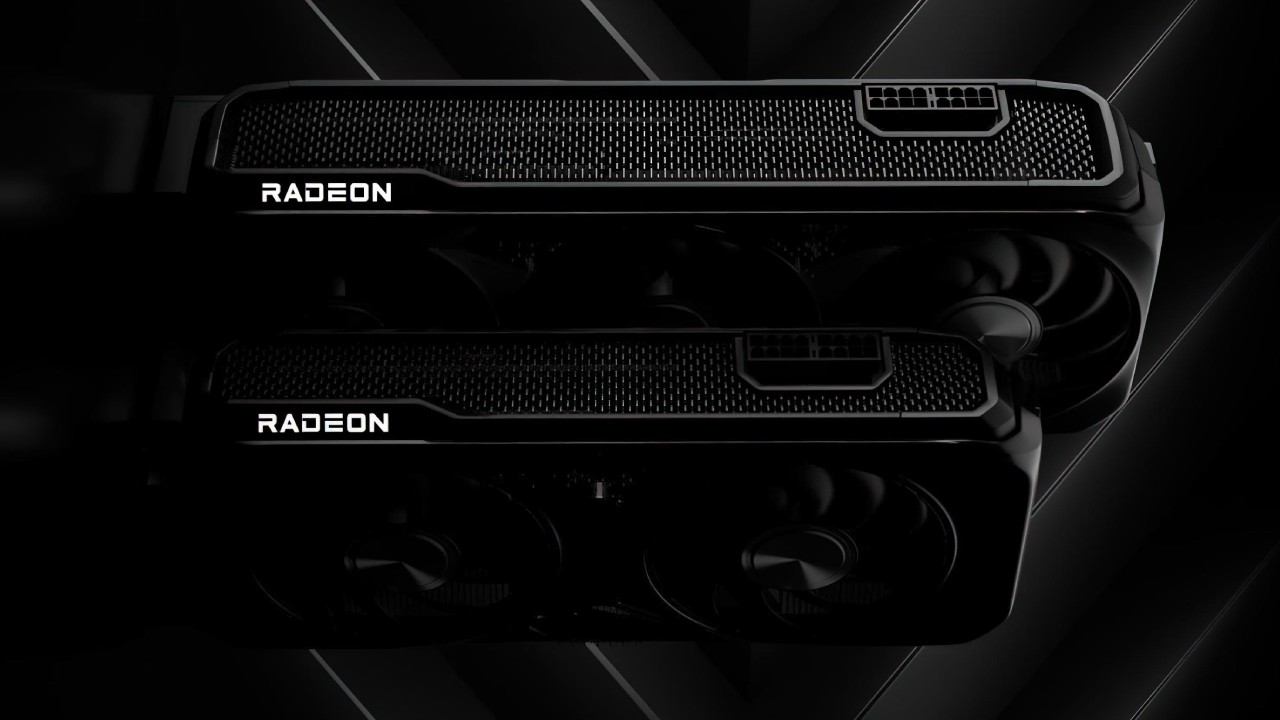
Another major change is the amount of shared memory per workgroup processor, with 192KB, 128KB, and 64KB options reportedly available. This memory can also be dynamically shared with the vector cache.
The architecture will eliminate MALL (Memory Attached Last Level) and make other changes to cache organization. The redesign could also improve flexibility in resource allocation, letting graphics and computation applications use available RAM more efficiently. But this flexibility can lead to contention between workloads. Finally, performance will depend on optimization, compiler behavior, and how effectively AMD allocates resources.
Higher Clock Frequencies Could Boost Performance
Another interesting aspect of the RDNA 5 rumors is clock frequencies. The PS6 is said to hit frequencies just under 3GHz, and Microsoft's next-gen Xbox, dubbed Helix, could run at 3GHz to 3.2GHz. AMD's desktop RDNA 5 GPUs are said to hit the mid-to-high 3GHz range, with mobile and lower-end GPUs potentially staying below 3GHz. Some even speculate that some setups may reach 4GHz via overclocking.
Given these numbers, RDNA 5 would offer a significant clock-speed increase over RDNA 4.
RDNA 5 Launch Timeline and Performance Expectations
Rumors suggest AMD's mid-range 82 will hit the gaming market in the second half of 2027, while the flagship 80 will arrive around 2028. NVIDIA's RTX 60 generation is also rumored to arrive in 2028. The flagship gaming variants could feature a 384-bit memory bus. Architectural improvements and higher frequencies may deliver competitive performance; however, details remain unclear.
RDNA 5's mid-range GPUs might compete with the RTX 5080, offering rumored 10% to 20% gains in either rasterization or ray-tracing performance. However, actual results will vary based on the final hardware configuration, drivers, and game optimization.
AMD Expects Supply to Increase in 2027
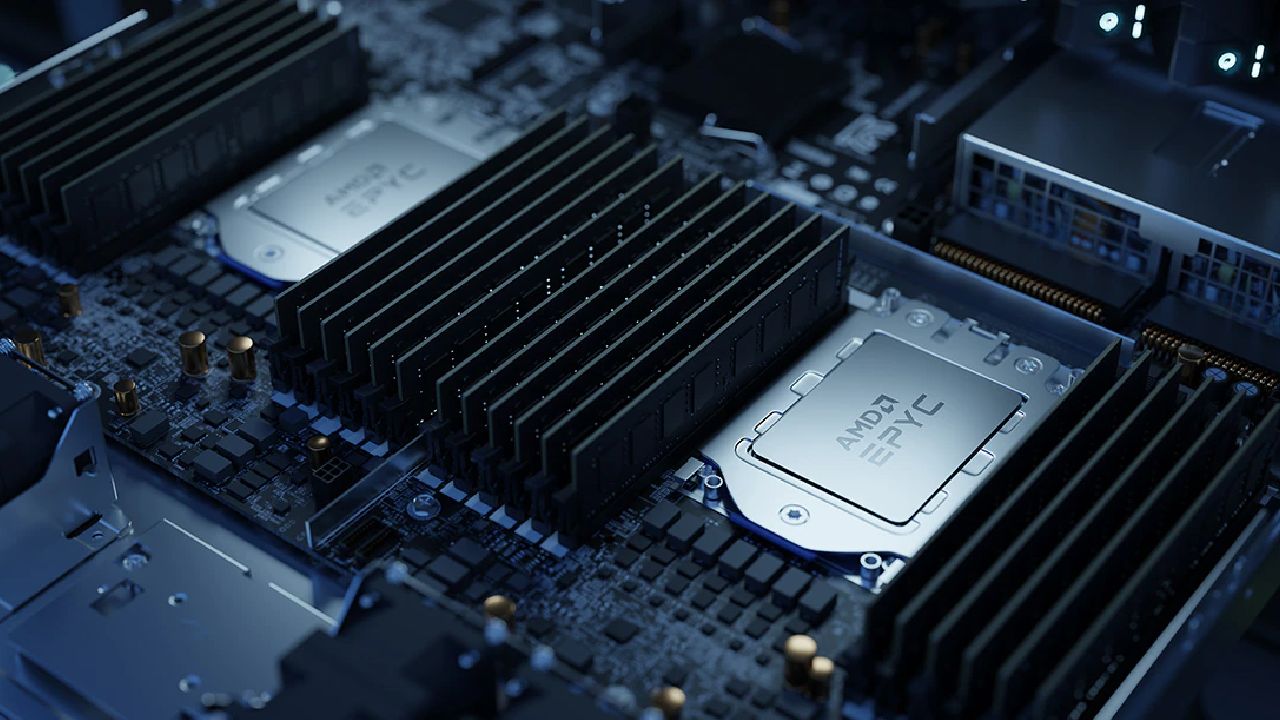
Meanwhile, Lisa Su has confirmed that advanced wafer capacity will grow significantly in 2027. AMD has already been securing manufacturing capacity well in advance, especially for Zen 6 chips for HPC and server applications. This begs the question of when consumer Ryzen and X3D processors will be available and at what price. Increased capacity might assist supply, but it doesn't guarantee it will help gaming hardware.
Other sources, such as AIDA64 Extreme, have also confirmed the name Nova Lake-S, further cementing Intel's plans for its future 4000-series processors. However, the future of Intel's gaming graphics cards is less clear, and market conditions are believed to make it impossible to manufacture and launch more.
GPU Prices and Memory Shortages Remain Major Concerns
The RTX 50-series and RDNA 4 GPUs are now much more expensive. AMD graphics cards are apparently up about 46% on average, with the RTX 5080 up 51%.
Memory costs are a major driver of these rises. The costs of supporting gear, such as power delivery components and cooling systems, vary between graphics cards. High-end graphics cards cost considerably more. Even used RTX 5090s have become exceedingly expensive, with some postings going for over $5,000.
Meanwhile, memory chip shortages could peak in the first half of 2027, then steadily diminish. Other predictions suggest supply constraints could last into 2028. This may also explain why AMD's flagship RDNA 5 GPUs and NVIDIA's RTX 60 generation are rumored to launch in 2028.
What Comes Next for AMD GPUs
RDNA 5 could be a major architectural overhaul, with improved cache design, higher clocks, and better performance. Capacity, memory availability, and affordability will remain major factors. With AMD and NVIDIA gearing up for their next big releases in 2028, the rivalry will be about more than performance; availability and price will matter, too.
Senior Editor, NoobFeed
Gaming Hardware Updates
No Data.