
Jensen Huang is Back: NVIDIA Reinstates Co-Founder as CEO and Director
NVIDIA reverses its leadership decision as Jensen Huang returns to steer its AI ambitions, semiconductor roadmap, and global hardware strategy.
News by Tanvir Kabbo on Nov 24, 2026
NVIDIA has delivered one of the most dramatic leadership reversals in semiconductor industry history. Just 11 days after Jensen Huang resigned as President, CEO, and Board Director, the company's board has unanimously voted to reinstate its co-founder in all three positions.
The decision reverses its earlier stance against bringing him back and ends a leadership crisis that threatened to disrupt NVIDIA's momentum during a critical period for AI and gaming hardware. Huang's November 12 departure followed personal controversy and national security scrutiny involving alleged foreign intelligence links.
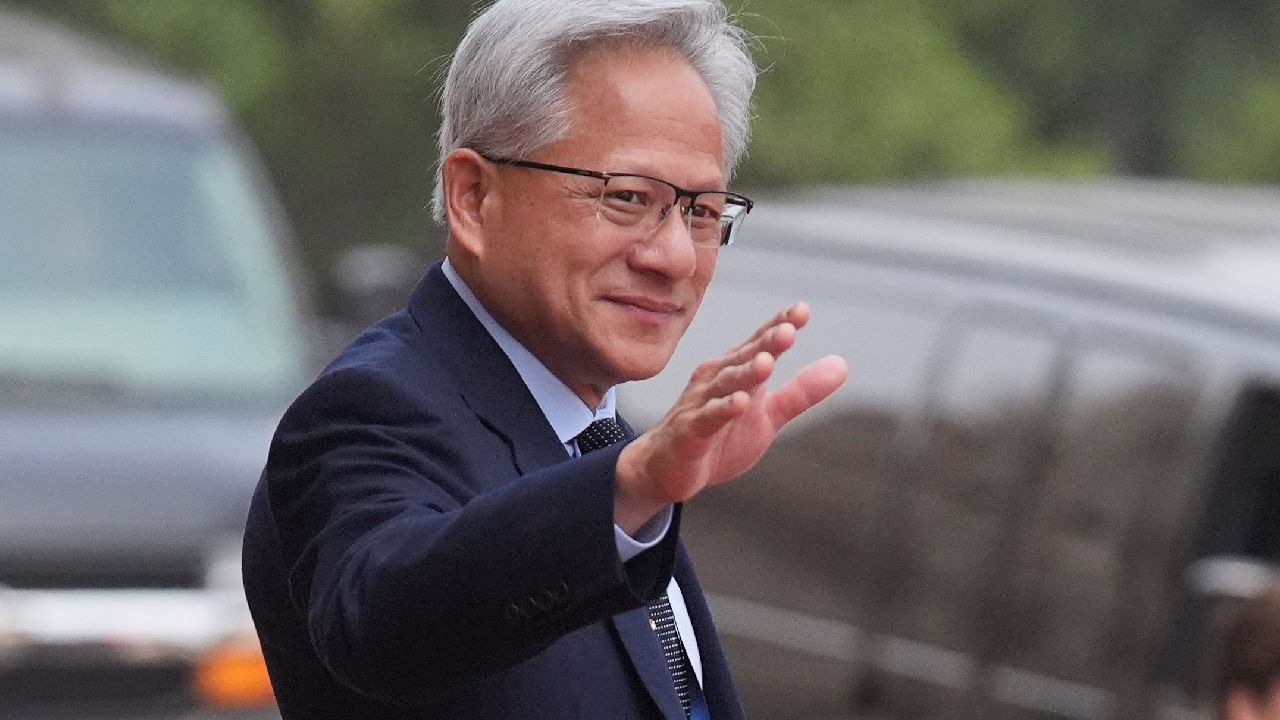
However, what initially looked like a permanent leadership transition quickly became a corporate pressure cooker. NVIDIA ultimately decided the strategic risk of losing the executive who created its modern brand outweighed the risk of bringing him back under closer scrutiny.
Inside the Board's Reversal: Pressure From Silicon Valley and Washington
Huang's removal has ignited furious blowback from employees, investors, and leading tech figures. An employee petition reportedly attracted more than 180,000 signatures demanding his reinstatement. Prominent supporters included Elon Musk, alongside other Silicon Valley executives, while President Donald Trump also publicly supported Huang's return.
The reaction highlighted how closely NVIDIA's identity remains connected to its founder. Huang has spent decades building relationships with semiconductor manufacturers, software developers, cloud providers, and governments. Replacing that experience during an aggressive AI infrastructure expansion would have introduced considerable uncertainty.
Wall Street also had reasons to worry. NVIDIA's valuation depends heavily on its ability to maintain technological leadership and execute an increasingly ambitious product roadmap. A sudden leadership transition could undermine investor confidence when the company already faces enormous expectations.
Crucially, NVIDIA's board said it received input from senior U.S. government officials confirming that Huang's reinstatement posed no national security risk. This helped alleviate major concerns about his return and led to a unanimous conclusion.
Following the announcement, Colette Kress will resume her full-time role as Executive Vice President and Chief Financial Officer and step down as interim CEO. Harvey C. Jones will remain Chairman of the Board.
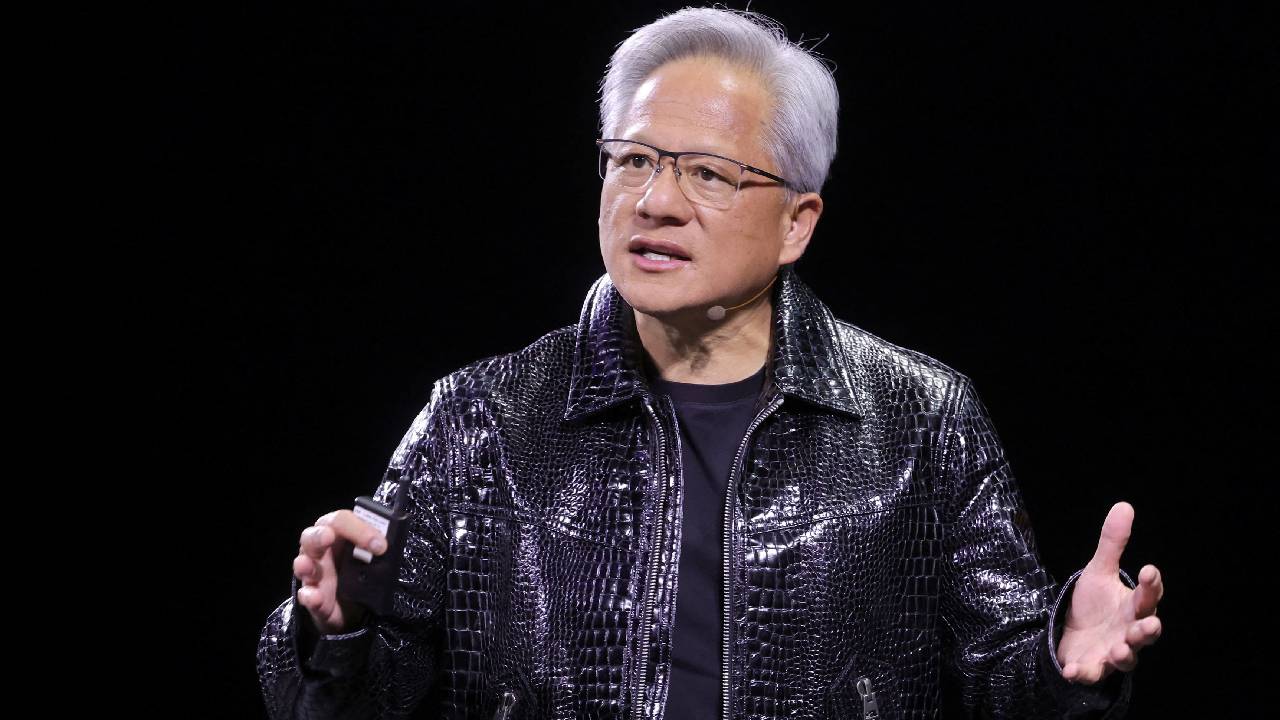
Huang's reinstatement does not mean NVIDIA is abandoning the investigation surrounding his departure.
The board confirmed that its independent investigation will continue to completion, with Huang cooperating throughout. The company is also introducing a dedicated National Security and Export Control Committee, consisting entirely of independent directors. It will be assisted by outside legal counsel and specialist consultants and will oversee trade compliance and national security issues.
NVIDIA will also establish a new Chief Compliance Officer role to increase control across the company. The executive will report to the board's Nominating and Corporate Governance Committee.
These measures matter because NVIDIA operates at the center of geopolitical competition over advanced computing. Its AI accelerators are strategically important, and export restrictions can directly affect which markets the company can serve. The message is clear: NVIDIA wants its founder back, but stronger corporate accountability must accompany his leadership.
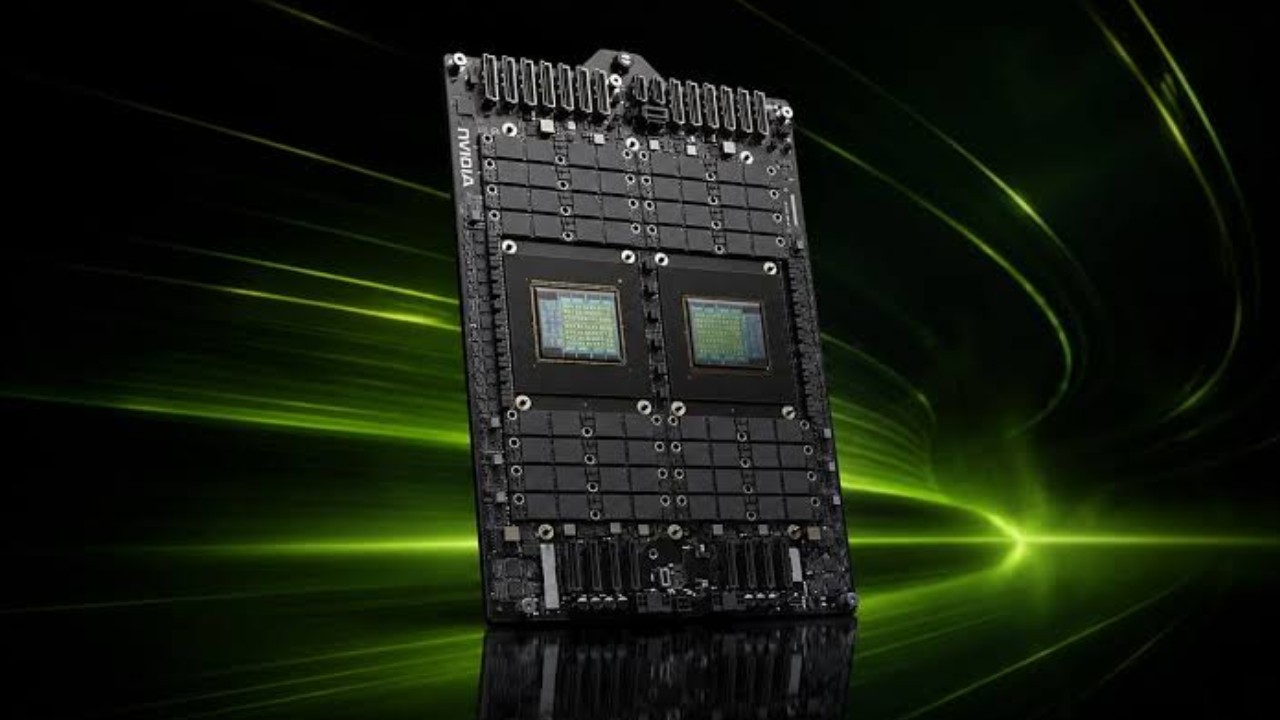
Blackwell, Vera Rubin, and GeForce RTX 50-Series
The timing makes this reversal especially significant. NVIDIA is managing massive enterprise data center expansion through its Blackwell platform while preparing its next-generation Vera Rubin architecture. These products involve complex accelerator designs, networking technologies, memory systems, and software infrastructure.
Losing Huang during this execution window could have created unnecessary disruption. His experience connecting hardware engineering with software development and commercial strategy remains one of NVIDIA's biggest advantages.
The consumer graphics business also has plenty at stake. The GeForce RTX 50-series continues to anchor NVIDIA's gaming ecosystem, while AI rendering technologies such as DLSS 4.5 and DLSS 5 demonstrate how the company is moving beyond traditional GPU performance improvements.
For PC gamers, Huang's return does not automatically mean cheaper graphics cards, better VRAM configurations, or improved availability. However, leadership continuity matters as NVIDIA increasingly positions AI-powered rendering as a major selling point for future GeForce hardware.
Senior Editor, NoobFeed
Related News
No Data.