
Nvidia's Future With Nintendo Could Depend on New Management
Nintendo could face challenges maintaining backward compatibility without NVIDIA hardware in future consoles.
Hardware by Nahe Yan on Nov 22, 2026
Nintendo's partnership with NVIDIA has been a key part of its hardware strategy since 2016, when the two companies established a relationship that helped bring custom NVIDIA processors to Nintendo consoles. However, changes in Nvidia's leadership could raise questions about whether the partnership will continue into future hardware generations.
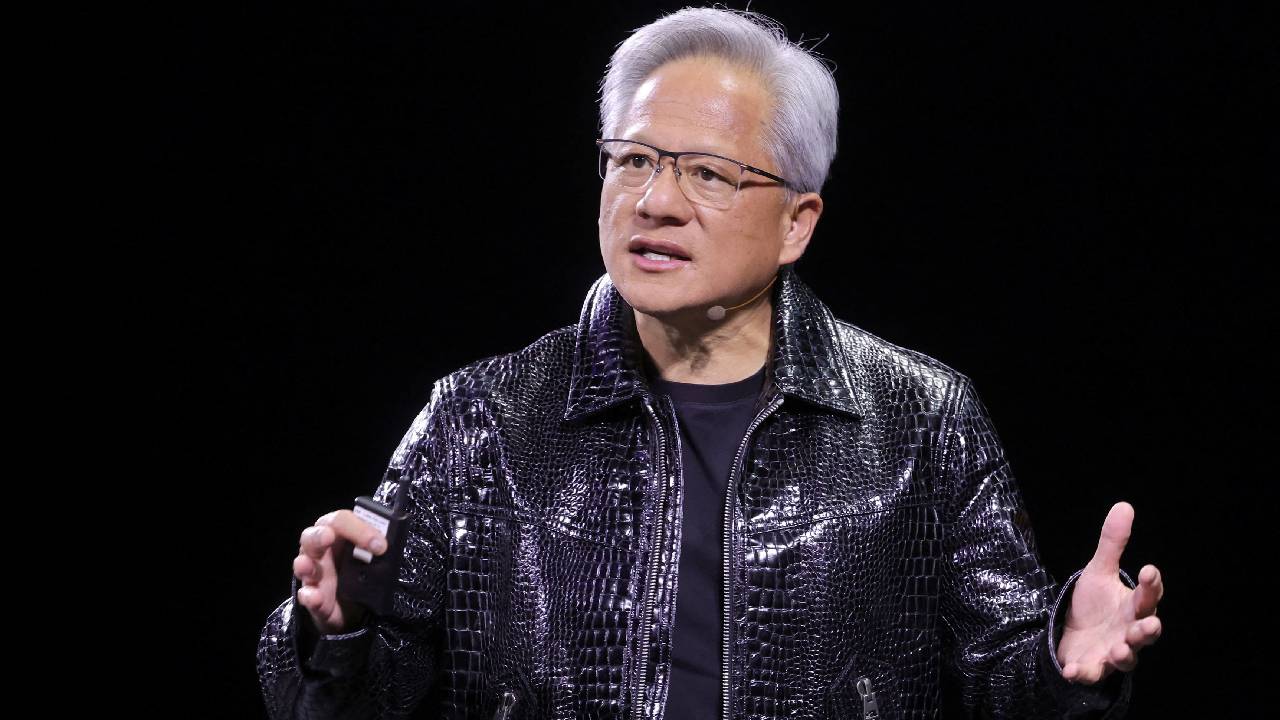
Nvidia's leadership transition could affect Nintendo's decision to continue using the company's custom processors. Jensen Huang, alongside the late Satoru Iwata, played a pivotal role in securing a partnership that could last for two decades, starting in 2016. With Huang no longer leading the company, concerns remain about whether the new management will want to continue the partnership.

Nvidia's Leadership Change Could Raise Questions
However, the existing contracts could prevent Nvidia from making any immediate changes. Even if the new management decides to move away from gaming hardware, the agreements currently in place could keep the partnership going for some time. Designing a custom processor for Nintendo may not be a significant resource burden for NVIDIA.
While developing a chip requires a dedicated team, it is unlikely to divert substantial resources from the company's AI endeavors. The technology and building blocks will also remain available, as GeForce is unlikely to disappear. Gaming remains a multi-billion-dollar industry, and NVIDIA has maintained its presence across different gaming sectors.
Nintendo could also remain tied to NVIDIA hardware to a certain extent, particularly if it wants to preserve its digital library. Older Switch games could require Nvidia hardware to run properly, including support for technologies such as DLSS. Jensen Huang has been a major figure in Nvidia's decision-making, but other employees may also want to maintain its presence in the console market.
Nvidia's Nintendo partnership represents its only console development, and continuing that relationship could make sense if the economics remain favorable. Designing a semi-custom or custom processor for Nintendo would not necessarily require a huge investment. However, it could generate significant revenue based on how many units Nintendo sells with each hardware generation.
NVIDIA Could Continue Its Strategy
NVIDIA has maintained a strategy of staying present across different gaming sectors, and there is little indication that a leadership change would necessarily lead to a major shift in direction. Severing ties with Nintendo would be hard to justify, given the partnership's success and the prestige of working with the company.
NVIDIA also has considerable experience and established knowledge in the gaming hardware space, which could be difficult to replace if the company shifts its focus toward AI. Although splitting its focus could offer financial benefits, abandoning the Nintendo partnership would represent a significant sacrifice.
Nintendo has been gradually introducing DLSS into its games, although its adoption has remained limited so far. The technology has appeared in titles such as Fortune's Wave and the new Fire Emblem, suggesting Nintendo is slowly incorporating it. If Nintendo eventually moves away from Nvidia hardware, it could become less reliant on DLSS in future games.
Nintendo can rework its approach for a future platform.
Backward compatibility could become more complicated, particularly if a future console needs to run Switch 2 titles without Nvidia hardware. A Switch 3 playing Switch 2 games could require some retinkering to ensure compatibility. Losing the NVIDIA partnership in a future console generation could create significant challenges for Nintendo, particularly as maintaining a digital library across generations becomes increasingly important.
However, Nintendo has previously taken a clean-sheet approach to hardware upgrades, effectively moving away from the technology used in earlier generations. While maintaining compatibility has become more important in the current era, Nintendo has historically been willing to change its hardware direction when necessary.
Ultimately, Nvidia's leadership change does not necessarily mean the Nintendo partnership will end. The financial benefits, existing contracts, gaming expertise, and importance of backward compatibility could all encourage the two companies to continue working together.
FAQ
Q. Could Nvidia's leadership change affect its partnership with Nintendo?
A. It could potentially affect the partnership, but Nvidia's existing contracts, financial benefits, and gaming hardware strategy could encourage the company to continue working with Nintendo.
Q. Why might Nvidia continue designing custom processors for Nintendo?
A. Developing custom processors for Nintendo may not require a significant investment compared with Nvidia's AI business, while Nintendo's hardware sales could generate substantial revenue for NVIDIA.
Q. Could Nintendo stop using Nvidia DLSS in future consoles?
A. Yes. If Nintendo moves away from NVIDIA hardware in a future generation, it could potentially adopt a different upscaling technology. However, backward compatibility with Switch 2 games could require additional work.
Q. Would Nintendo lose backward compatibility if it stopped using NVIDIA hardware?
A. Not necessarily, but maintaining compatibility with Switch 2 games on future hardware could require retinkering or additional development to ensure older titles continue to run properly.
Editor, NoobFeed
Gaming Hardware Updates
No Data.