
Radeon RX 9070 XT Gains 11% Lead Over RX 7900 XTX With FSR 4.1
FSR 4.1 gives the Radeon RX 9070 XT a stronger performance advantage over the RX 7900 XTX across multiple games.
Hardware by Tanvir Kabbo on Nov 21, 2026
AMD's FSR 4.1 upscaling engine is quickly becoming a major point of comparison between its current and previous-gen graphics cards. The Radeon RX 9070 XT and RX 7900 XTX deliver nearly equal native gaming performance; however, the results differ drastically with current upscaling enabled. New benchmark results across a range of games show how RDNA 4's hardware acceleration gives the newer GPU the edge.
RX 9070 XT Has an Advantage With FSR 4.1
The Radeon RX 9070 XT and the RX 7900 XTX parse FSR 4.1 differently. The RX 9070 XT benefits from FP8 acceleration, enabling more effective machine-learning-based upscaling. It also adds support for new machine learning frame creation, ray regeneration, and FSR Redstone.
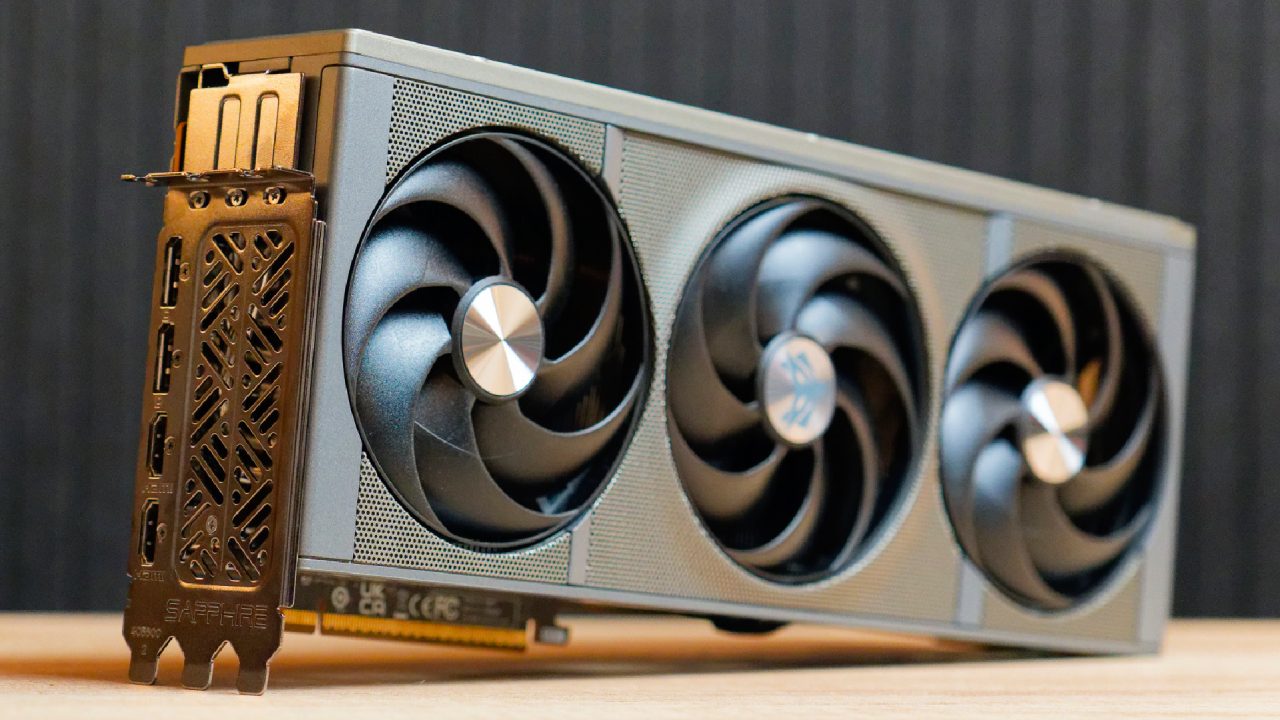
The RX 7900 XTX's use of INT8 processing has overhead. It does support previous FSR frame generation, though not all RDNA 4-exclusive features.
AMD previously reported approximately 1.3ms of FSR 4.1 processing time at 4K on the RX 9070 XT, compared with 3.1ms on the RX 7900 XTX. This difference helps explain why the newer GPU can outperform the older flagship with the same upscaling settings.
FSR 4.1 Benchmark Results Across 14 Games
Testing covered 14 games at 1440p and 4K, comparing native rendering performance against FSR 4.1 upscaling. A handful of titles supported native FSR 4 or Redstone integration, while others depended on AMD's display driver to update FSR 3.1 to machine-learning-based upscaling.
Battlefield 6 followed a similar trajectory. Natively, the two GPUs were very close; however, with upscaling enabled, the RX 9070 XT was 5% faster at both resolutions. Assassin's Creed Black Flag Resynced was close, with the older GPU initially leading by 3% to 5%, but the RX 9070 XT took the lead by 1% at 1440p and 4% at 4K.
One of the main changes was Marvel Rivals. The RX 9070 XT improved its native 1% lead to 19% with FSR 4.1 at 1440p, and the gap widened by 11% at 4K.
Resident Evil Requiem showed the new GPU with a native advantage of 12% at 1440p and 5% at 4K. After upscaling, the margins were 2% and 16%, respectively. F1 25 meanwhile improved the RX 9070 XT's lead from 4% and 6% to 18% and 25%.
Other games also showed strong gains. In Clair Obscur: Expedition 33, the RX 9070 XT was 2% behind at 1440p and 3% behind at 4K; now it's 2% ahead and 12% ahead. Kingdom Come: Deliverance 2 was even more impressive, turning a 7% native loss into a 5% advantage at 1440p and a 13% advantage at 4K.
Crimson Desert saw the RX 7900 XTX 6% faster at 1440p and 2% quicker at 4K natively. FSR 4.1, however, flipped the results, and the RX 9070 XT led by 6% at both resolutions.
The RX 9070 XT also extended its lead in Borderlands 4 and The Outer Worlds 2, gaining 14% and 15% respectively at 1440p. In Cyberpunk 2077, however, FSR 4.1 reduced its native advantage from 13% to 2% at 1440p.
War Thunder delivered the largest improvement, with the RX 9070 XT reaching 32% higher performance at 1440p and 36% at 4K. Finally, 007 First Light reversed its native results, giving the newer GPU a 6% and 11% advantage at the tested resolutions.
RX 9070 XT Wins the Overall FSR 4.1 Comparison
Across the reported 15-game average, the RX 9070 XT was 3% faster at 1440p and 5% faster at 4K natively. With FSR 4.1 enabled, its advantage increased to 9% and 11%, respectively. These findings make the RX 9070 XT an even better overall buy. Competitive rasterization, usually better ray tracing, and more efficient upscaling support.
However, current RX 7900 XTX users have little motivation to upgrade, as the performance gap isn't enough to justify upgrading an otherwise adequate flagship GPU. The current RX 9070 XT price is still a bit high. That said, it's still a good choice compared to other models at the same price point with less VRAM, such as the slower RTX 5070.
Overall, it's good news for older Radeon graphics cards, which now have expanded FSR 4.1 compatibility. It extends their utility and highlights RDNA 4's architectural benefits. If you're a new buyer deciding between the two, the RX 9070 XT is still the better overall GPU.

FAQ
Q. Which graphics card performs better with FSR 4.1?
A. The Radeon RX 9070 XT performs better overall with FSR 4.1, delivering 9% higher average performance at 1440p and 11% at 4K compared with the RX 7900 XTX.
Q. Why does the RX 9070 XT perform better with FSR 4.1?
A. The RX 9070 XT uses FP8 acceleration for more efficient FSR 4.1 processing, while the RX 7900 XTX relies on INT8 processing, which introduces additional overhead.
Q. Is the RX 9070 XT worth upgrading to from the RX 7900 XTX?
A. No. Although the RX 9070 XT offers better FSR 4.1 performance and newer features, the overall performance difference is not significant enough to justify upgrading from an RX 7900 XTX.
Q. Does the RX 7900 XTX support FSR 4.1?
A. Yes. The RX 7900 XTX supports FSR 4.1 through INT8 processing, although it does not support all the RDNA 4-exclusive features available on the RX 9070 XT.
Senior Editor, NoobFeed
Gaming Hardware Updates
No Data.