
AMD XDNA 2 NPU Brings 35B AI Model Support to Ryzen AI Laptops
AMD's XDNA 2 architecture brings 35B local AI inference to Ryzen AI laptops, combining dedicated NPU acceleration with improved power efficiency.
Hardware by Tanvir Kabbo on Nov 22, 2026
AMD is making a big push into local AI computing, revealing that its XDNA 2 neural processing units (NPUs) can run large 35-billion-parameter language models without a dedicated graphics card. Together with Unsloth, AMD has added dedicated XDNA 2 support to Unsloth Desktop, enabling supported Ryzen AI systems to run advanced local AI inference. The research could make sophisticated AI helpers more practical on laptops, while underscoring the growing significance of specialized AI technology.
AMD XDNA 2 Becomes the First NPU Architecture Supported by Unsloth
The collaboration adds native XDNA 2 acceleration to Unsloth Desktop, making AMD's architecture the first NPU platform the app supports. In the integration, Lemonade and FastFlowLM run models directly on the NPU instead of relying on traditional CPU or GPU processing.
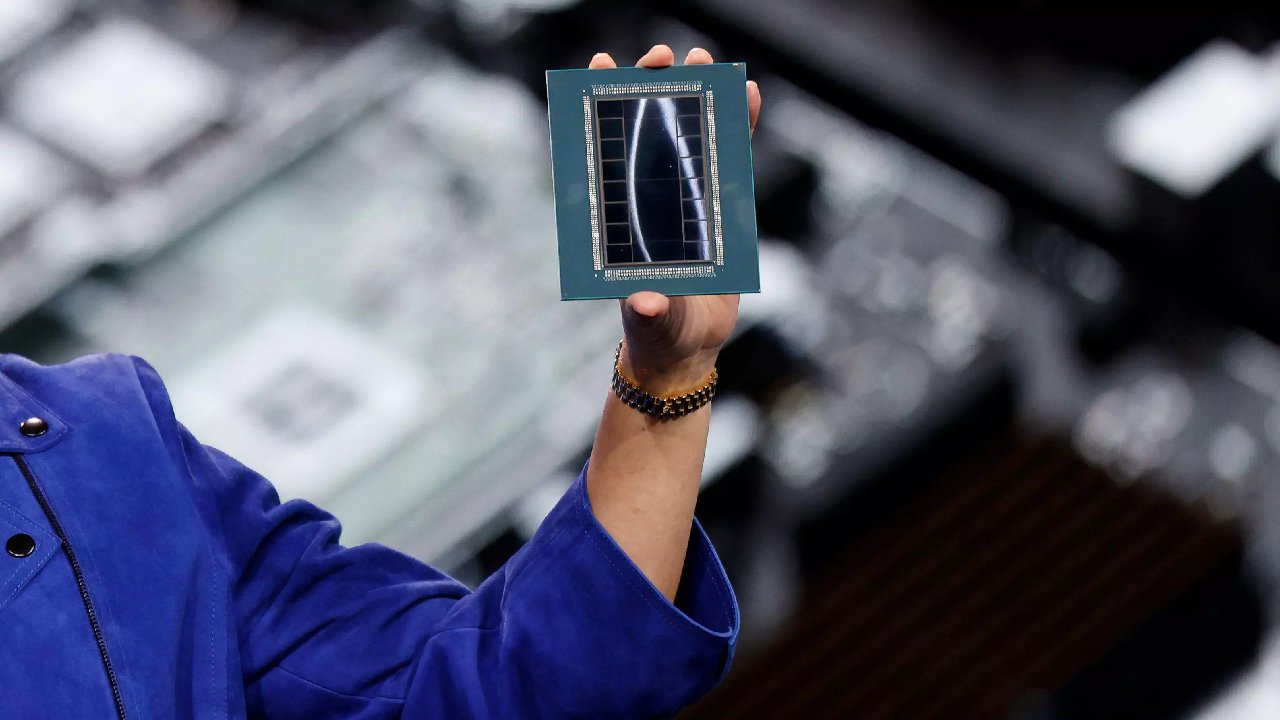
AMD showcased the technology running the Qwen3.6-35B-A3B Mixture-of-Experts (MoE) language model, which has 35 billion total parameters. This is especially interesting because laptop NPUs have historically handled lighter AI workloads, such as background processing and image enhancement. Running a model of this scale demonstrates how dedicated AI silicon could become more useful for demanding local inference tasks.
The 64GB RAM Requirement is a Major Catch
Despite the impressive milestone, a significant hardware limitation remains. Running Qwen3.6-35B with its full context requires approximately 28GB of memory for the NPU.
Windows allocates 50% of shared system memory to the NPU by default. Consequently, a laptop with 32GB of RAM cannot provide the required allocation under this configuration. AMD therefore officially recommends a system equipped with 64GB of system RAM to run the demonstrated model configuration.
This requirement makes the breakthrough more relevant to premium Ryzen AI laptops than mainstream notebooks, most of which still ship with 16GB or 32GB of memory. Owners of lower-memory systems will need to consider smaller models instead.
NPU Inference Could Make Local AI More Battery-Friendly
The biggest advantage of AMD's announcement might not be the model size itself, but the potential efficiency benefits of dedicated NPU processing.
Integrated or discrete GPUs are usually used for traditional local LLM inference. These processors can provide a lot of compute, but generating tokens continuously can use a lot of power, increase temperatures, and compete with other programs for system resources.
NPUs are built specifically to run AI tasks efficiently. Unsloth claims NPU inference can deliver about 2-4x more energy efficiency per token than conventional GPU computation. Actual results will depend on the model and hardware configuration.
Moving supported AI workloads to the XDNA 2 NPU also leaves the CPU and GPU available for gaming, video editing, and everyday multitasking. Lower power consumption could mean reduced fan noise, less heat generation, and improved battery endurance during extended AI sessions.
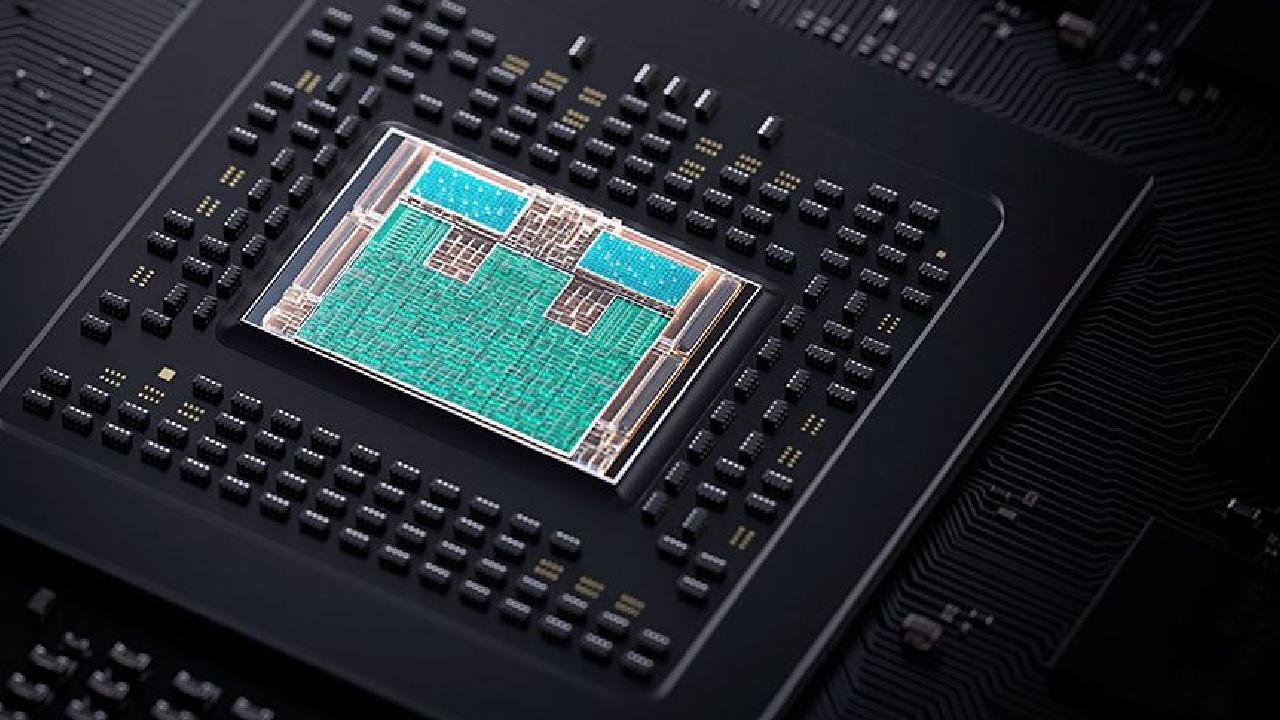
More Than 100 Agentic AI Applications Can Access the NPU
AMD's partnership extends beyond supporting individual language models. Through Unsloth Desktop's OpenAI-compatible API endpoint, more than 100 compatible agentic AI applications and workflows can connect to locally running models.
These include Visual Studio Code, Cline, Open WebUI, LangChain, and GitHub Copilot. There's no need for dedicated NPU inference engines for each application, since they can talk to Unsloth Desktop through its familiar API, and Lemonade and FastFlowLM handle model execution.
This could make it simpler for developers who want to use familiar coding tools to adopt local AI without relying solely on cloud-based inference services. Local execution also lowers the requirement to send prompts and related data to remote AI systems.
AMD Is Giving Ryzen AI NPUs a More Meaningful Purpose
AMD's XDNA 2 demonstration represents more than another local AI milestone. It suggests dedicated NPUs could play a bigger role as AI assistants mature into always-on apps that manage coding, research, and productivity tasks.
The 64GB RAM requirement limits the reachability of the 35B demonstration, but AMD and Unsloth are solving two huge hurdles in local AI adoption: hardware efficiency and software compatibility. AMD is adding NPU acceleration to more than 100 applications, making Ryzen AI hardware more useful for local LLMs.
FAQ
Q. Can AMD XDNA 2 NPUs run 35B AI models locally?
A. Yes. AMD demonstrated its XDNA 2 NPU running the Qwen3.6-35B-A3B Mixture-of-Experts model locally through Unsloth Desktop, using Lemonade and FastFlowLM.
Q. How much RAM is required to run 35B AI models on AMD XDNA 2 NPUs?
A. AMD recommends 64GB of system RAM because the Qwen3.6-35B model requires approximately 28GB of dedicated memory for full-context operation.
Q. Why are AMD XDNA 2 NPUs more efficient than GPUs for local AI inference?
A. NPUs are designed specifically for AI workloads and can deliver 2–4x better energy efficiency per token than traditional GPUs, potentially reducing power consumption, heat, and fan noise.
Q. Which AI applications support AMD XDNA 2 NPU acceleration through Unsloth Desktop?
A. More than 100 compatible applications and tools can connect through Unsloth Desktop's OpenAI-compatible API, including Visual Studio Code, Cline, Open WebUI, LangChain, and GitHub Copilot.
Senior Editor, NoobFeed
Gaming Hardware Updates
No Data.