
RTX 60 Delayed to 2028: Nvidia's Gaming GPUs Are No Longer the Priority
NVIDIA will not release a single new gaming GPU throughout 2026 for the first time in three decades.
Hardware by Shinji Okazaki on Jul 13, 2026
For most of the population, 2026 was going to be a pretty standard GPU refresh cycle, with new Nvidia cards being released, familiar rumors from AMD, and perhaps some extra pressure from Intel. The latest information paints a different picture. It doesn't appear to be a real generational leap in graphics cards, and that's not the biggest problem; it looks like it's a long time away anyway.
Rather, it's about how it's powered and what it implies for VRAM, pricing, gaming capabilities, AI workloads, and whether or not it's a wise time to upgrade. NVIDIA is a good place to begin, as it establishes the tone for the rest of the market. The arrival of the RTX 50 Super refresh now seems very, very uncertain and unlikely before CES 2027, and the RTX 60 series may not arrive until 2028.
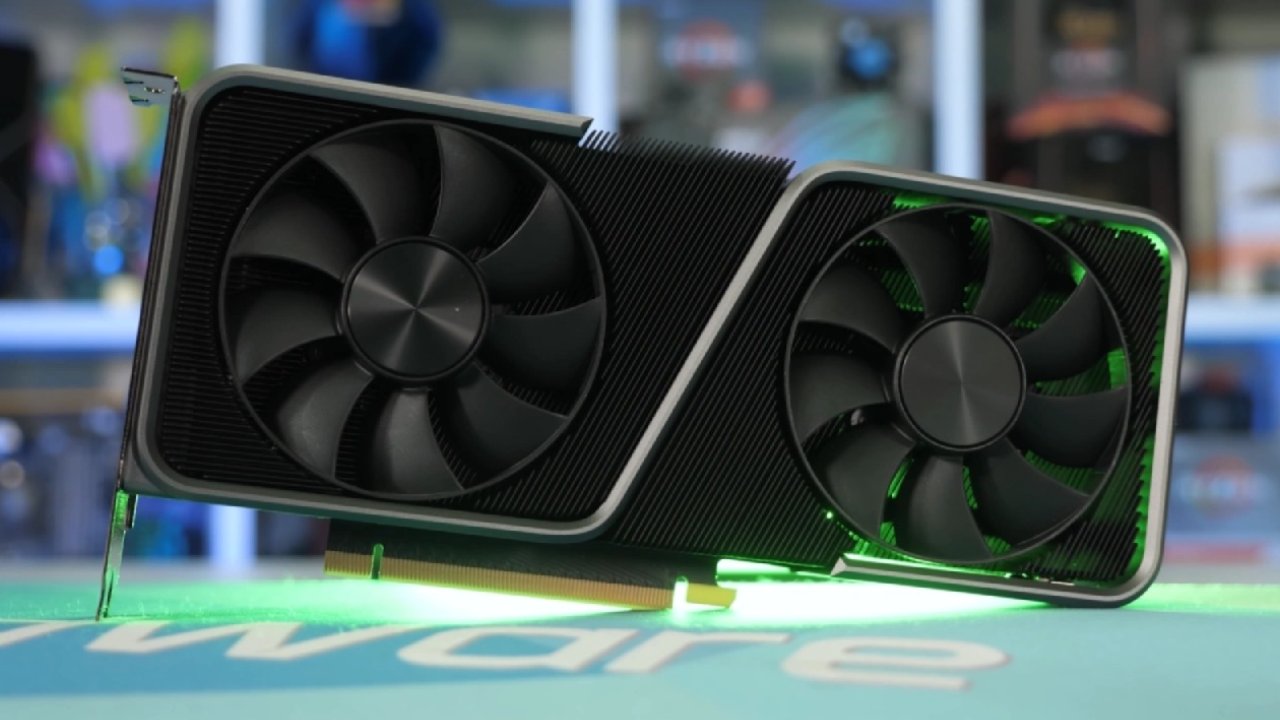
NVIDIA's RTX 50 Super and RTX 60 Timeline
The timelines are not confirmed by NVIDIA, so they should be considered reported information rather than fact. The good news is that Nvidia will not introduce any new gaming GPUs in 2026, the company's first full year without the addition of a new consumer graphics card in 30 years. In the public eye, NVIDIA has stated that GeForce demand remains high, memory remains limited, and GeForce models are still on the road.
That last one is important, as it indicates that what is limiting you is not GPU chips per se, but something else. It's memory. The transition also depends on the sources of Nvidia's revenue: gaming has dropped to less than 8% of total revenue, while data center products account for over 91%, and have higher profit margins.
AI data centers require vast quantities of memory, such as HBM, DDR5, and high-capacity. The average PC hardware supply is directly impacted by memory suppliers' shift toward supplying data centers. This is a frustrating situation for anyone trying to buy a GPU these days; gamers want a lot more VRAM, but it's becoming harder to provide it at a reasonable price.
Hopefully, it'll be delayed, have limited availability, or be overpriced for the quality of a high-end Nvidia card, but there's a real possibility that it won't. NVIDIA's dominance in DLSS, ray tracing, and AI elements is undeniable, but it's becoming evident that it is no longer solely committed to gaming GPUs.
AMD's RDNA5 and the UDNA Strategy Shift
AMD's next big Radeon architecture is slated as RDNA 5, which has also been mentioned in recent reports under the UDNA name. There's no official release date from AMD yet, but the most recent information from members of its board suggests the product is expected to arrive at the end of 2027, with a slight possibility it could debut early in 2028.
It seems that AMD will have a real next-generation option to Nvidia's lineup available in the near future, but not soon. That's not to say AMD is resting, however. The company has said it is a real strategy, and it now has everything from its gaming and data center GPUs under one roof. That's important, as more and more future games will depend on more than just the sheer number of shaders.
It'll be a combination of AI upscaling, generation, ray tracing, driver quality, and developer support. So, AMD is moving towards a strategy more like Nvidia's, with its Radeon value positioning.
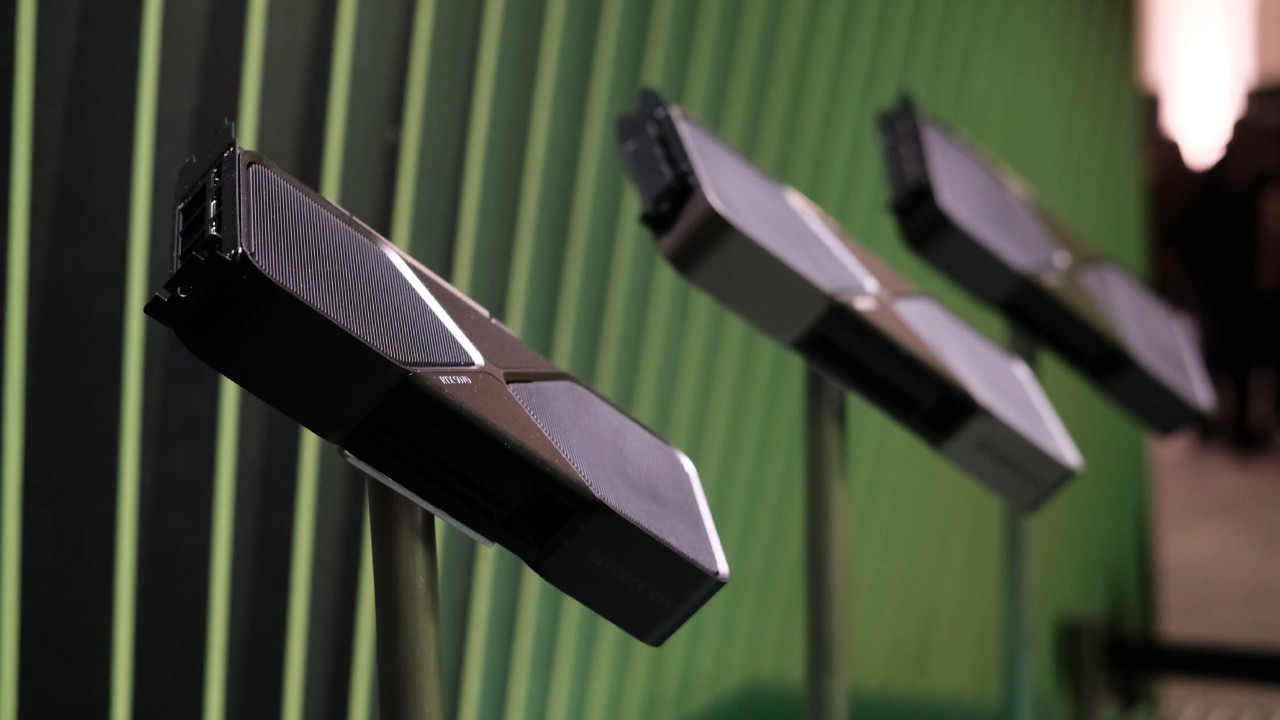
What This Means for the RX 9000 Lineup
It's the timing that's the catch. With RDNA 5 yet to arrive, the existing RX 9000 series must continue to support AMD's gaming aspirations for a long time. AMD is on a more solid long-term path than it's been in a long time, but those who were waiting for AMD to leap to the next generation will need to be patient.
The Intel B-series, also called the Arc B-series, is still available. Still, recent media reports indicate that Intel's future plans for the desktop gaming market are far from certain, and the next-generation Xe3P Celestial architecture may be coming to an end or even headed elsewhere entirely.
Once again, these are rumors and not an official Intel cancellation, so be wary of taking them at face value. But if Intel retreats here, it takes a bit of the competitive pressure off NVIDIA and AMD that they could use to lower prices. But while Intel isn't leaving the graphics hardware market entirely, its prospects for gaming GPUs don't appear as bright as they did a year ago.
How Project Helix Might Affect PC Requirements
Interestingly, the next big change in graphics expectations could well come not from a GPU manufacturer, but from consoles. Microsoft announced Project Helix, the next-generation platform for the Xbox, which is based on a custom AMD chipset with next-generation DirectX and FSR tech.
This is important because consoles have always been the backbone of determining minimum game requirements throughout the industry. With the next Xbox expected to include more powerful upscaling, improved ray tracing, and smarter memory management as standard, PC requirements are in for a similar future.
It seems that with all of this, waiting for the next generation is a definite risk for most gamers.
If that is the case, and memory remains on the high end in the meantime, that next generation of GPUs won't be cheap when it hits. Right now, there is no reason to worry about VRAM for 1080p gaming. By 1440p, this is becoming a safe minimum target of 12GB. If you're planning to run 4k games, create games, run AI workloads, or have heavier texture packs, the 16GB or above version is much more logical.
GPU generation is on the horizon, but it looks set to arrive later and may be more costly than previous generations. NVIDIA is putting even more pressure on AI, AMD is shifting its strategy towards UDNA, and Intel's gaming plans remain up for grabs.
In contrast, VRAM remains a more critical component as memory becomes more expensive. In light of that, it would be wise to sidestep hype and rumors. It's paying attention to real pricing, real benchmarks, driver stability, and upgrading when the upgrade is really worth it.
Editor, NoobFeed
Gaming Hardware Updates
No Data.