
PS5 Emulation Rises Amid Sony Physical Media Backlash
Discs are disappearing, homebrew developers are stepping up, and now Sony has a brand new headache on its hands.
News by Adeela Tas on Jul 13, 2026
You are witnessing two different storms clashing into each other, and to tell the truth, it could not come at a more inappropriate time for Sony. On one hand, the anger regarding Sony’s decision to eliminate all physical PlayStation discs by 2028 continues to mount every week.
On the other hand, the Homebrew and Emulation Scene has made up its mind that now is the right time to develop an emulator for PS5. Multiple of them, in fact. Now, let's consider what's really going on with emulators, as this is quite an unexpected aspect.
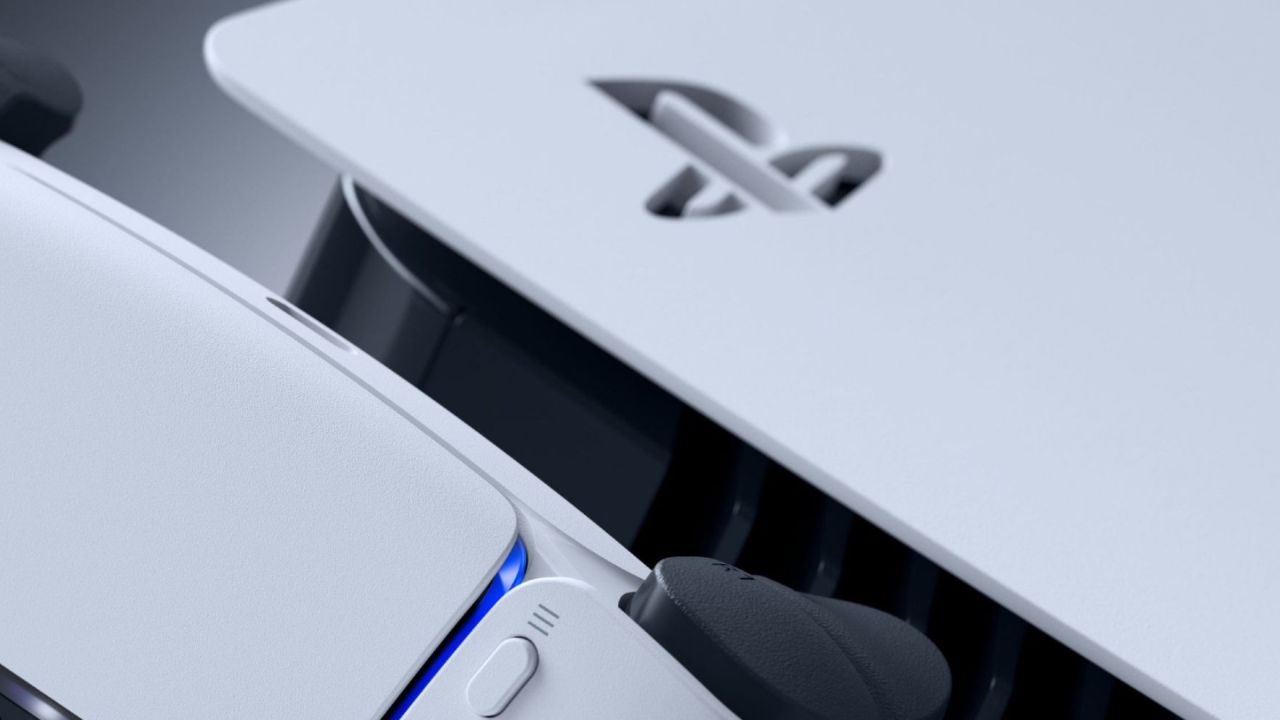
There was probably already mentioned such an emulator as RPCSX if you are familiar with console emulators for a while now. It used to be a PlayStation 4 emulator a few years ago, and now RPCSX is dedicated to the PlayStation 5 emulator that will work on your PC.
The first important thing to note regarding this emulator is that RPCSX actively warns users about phishing websites and fake downloads of the emulator.
In fact, this has been going on forever in the field of emulators when scammers attach the name of the real emulator to malware and wait until people download it. Then there's Sharp Emu, which is honestly the project generating the most buzz online right now.
This is very much an early-stage build, so don't picture yourself booting up a full playthrough of anything yet. What you're actually seeing are screenshots and clips of specific games starting to load, which, for a project this young, is still a meaningful milestone.
Demon's Souls, for example, gets far enough to show its splash screen before looping endlessly. Silent Hill: The Short Message and Poppy Playtime: Chapter 1 don't get that far and just crash outright. Dreaming Sarah, a smaller title most people probably haven't heard of, actually gets in-game, though the visuals are riddled with rendering glitches you'd expect this early in development.
Sharp Emu also credits another project called KYTY, now on version 2.0, which has actually been floating around for years without much attention. This one originally focused on running PS5 homebrew apps rather than commercial games, which makes sense as a starting point since it lets developers test the system's behavior without needing a fully cracked commercial game running.
Early builds were mostly just simple test programs, like bouncing triangles on screen, nothing close to real gameplay.
It's being built for Windows right now, with talk of a Linux version potentially coming down the line. Here's the part that's a little tricky to explain if you're not deep into emulator development: people are pointing out that this PS5 emulator work might actually be less brutal than past console emulation efforts, and that's largely because the PS5 runs on x86 architecture, similar to a standard PC.
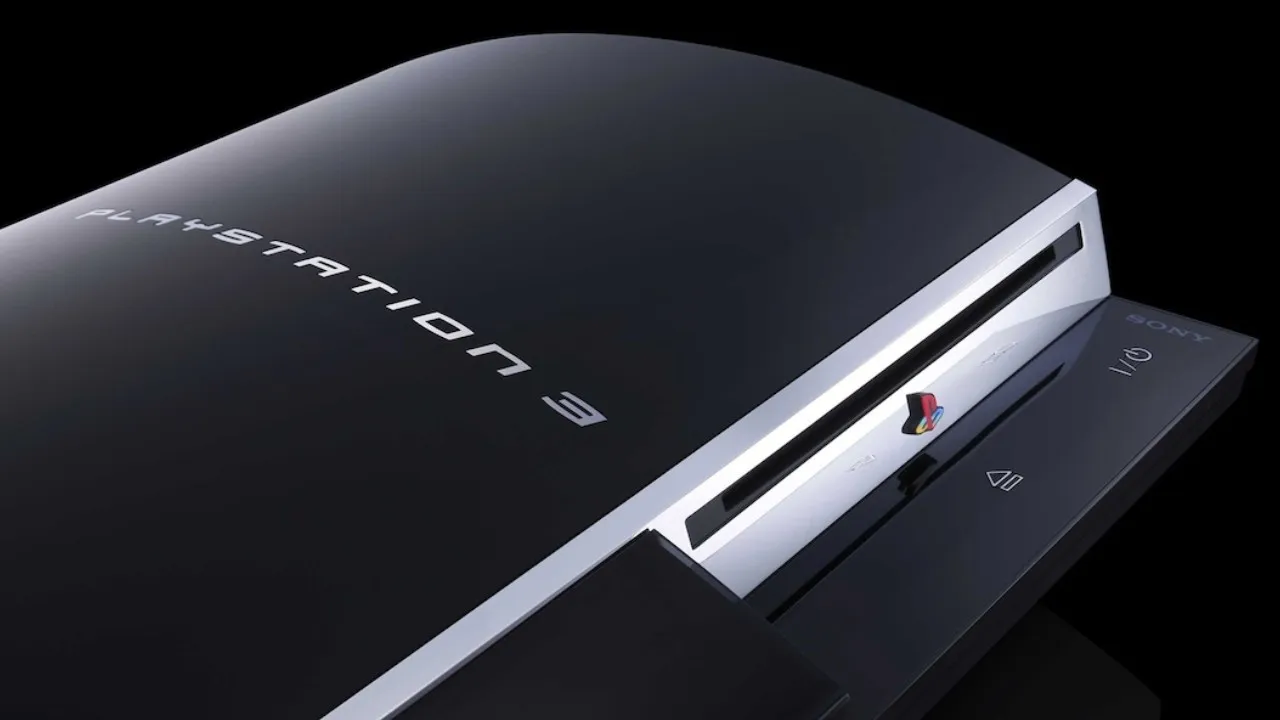
This is quite a different story when you compare it with something like the PS3, which had the infamous Cell processor and became the bane of developers' existence, trying to emulate it. People have even drawn parallels between the PS5 emulator story and Proton for Steam, with Proton essentially being like a compatibility layer for some pieces of it, but others requiring more full-fledged emulation.
It’s not going to be an easy thing by any means, but it doesn’t necessarily need to be quite as insane as PS3 was. Looking at contribution activity and commit history on these projects, one can clearly see that there was a notable surge beginning around April and becoming even more pronounced by July. This correlation can't be seen as coincidental in light of Sony's announcement regarding physical media.
If one takes a closer look at PS5's library, it becomes clear that there aren't many exclusives in it – about 20 games in total. It isn't much when considering how many games a developer might want to port from PS5 to PC using an emulator.
It is apparent that certain trends have emerged when it comes to PS4 emulation.
Emulation of this system is usually carried out game by game instead of being universal. For example, the Bloodborne game was recently made to work great on the PC, with some users making it work on PC in 4K resolution at 60 frames per second; however, this definitely requires a lot of power from the computer. The resolution may be scaled down to 720p and 1080p, making it less demanding.
Moreover, there is a case with Gravity Rush, a game-specific emulator, created with the purpose of running only this particular title. Now factor in the possibility of an extended cross-gen period. If Sony ends up supporting the PS5 well into the mid-2030s alongside the PS6, that gives any PS5 emulator project years and years to mature.
It's not unreasonable to imagine a PS5 emulator becoming genuinely capable while the console is still actively selling and receiving new releases from Sony's own first-party studios. Given how PS6 pricing rumors are shaping up, there's a real chance the PS5 remains the primary audience for cross-gen titles well into the next console's lifecycle, which would make a functional PS5 emulator an even bigger deal for Sony to contend with.
.jpg)
One more detail worth noting, since it's become common across nearly every decompilation and emulator project lately: AI software, Claude in particular, keeps showing up as an actual contributor within these communities. That doesn't mean it's writing all the code on its own, but it's clearly speeding things up by helping developers debug and figure out what's going wrong whenever something won't compile or a bug pops up.
In the meantime, the fallout for physical media continues to expand from the gaming community to general media outlets.
This was exemplified by an article written by NBC News, which explores the debate regarding whether players have ownership of their games or are merely licensees of them. The piece points out that Sony didn't respond to requests for comment, which tracks with how quiet the company has stayed on social media throughout all of this.
NBC also made a fair comparison, noting that movies are still sold on Blu-ray, vinyl records remain a thriving market, and physical books still fill store shelves, yet gaming is on track to become the first major entertainment medium to go fully digital. That single social post reportedly pulled in around 1.7 million views, which shows just how much attention this topic is generating outside the usual gaming spaces.
There have also been reports of Sony's regional branches struggling to manage the backlash directly, including one livestream, reportedly in France, where moderators were banning viewers simply for bringing up the physical media decision. That's not exactly a great look, and it suggests Sony's PR strategy right now is mostly just to avoid engaging with the topic altogether.
From a business standpoint, you can see the logic Sony is probably running through internally. If cutting physical media means losing a portion of their audience but significantly increasing profit margins by skipping manufacturing and shipping costs, while also repurposing factory space for other production, the math could work out in their favor overall.
The real test comes later, when Sony has to launch the PlayStation 6 and ask longtime fans to buy into another expensive system after this whole ordeal.
Games from Sony's biggest franchises will likely still sell well regardless, and past digital-only Call of Duty re-releases have already proven people will buy digital versions of big titles without much resistance. That kind of track record gives Sony some cushion, at least in the short term, even with all the noise surrounding the physical media decision.
Sony has also sold more than 90 million PS5 units so far, giving it plenty of runway for the remainder of this generation. But the true reaction to all of this probably won't be clear until Sony tries to launch its next system and finds out whether enthusiast gamers still trust the brand enough to pay full price again.
Between the physical media backlash and the sudden resurgence of PS5 emulator development, Sony finds itself dealing with pressure from two very different directions at exactly the same time, and how they navigate both could shape how the next several years of PlayStation actually play out.
Editor, NoobFeed
Related News
No Data.