
PlayStation 6 CPU Could Deliver 2x Multi-Core Performance
PlayStation 6 CPU leaks point toward higher Zen 6 performance, while Nova Lake engineering samples move closer to wider testing.
PlayStation by Nahe Yan on Oct 06, 2026
PlayStation 6 is expected to deliver a significant CPU performance increase over the PlayStation 5, with leaked specifications pointing to Zen 6 cores, RDNA 5 graphics, GDDR7 memory, and a 160W TDP. Alongside the console discussion, Intel’s Nova Lake is also moving toward qualification samples, giving more information about its upcoming processor lineup.
PlayStation 6's CPU is being discussed as potentially delivering a 120% IPC gain or a 50% to 60% improvement, with multi-core performance potentially reaching 2x that of the PlayStation 5. No confirmed source backs these performance estimates, so they appear to be based on rumors and calculations.
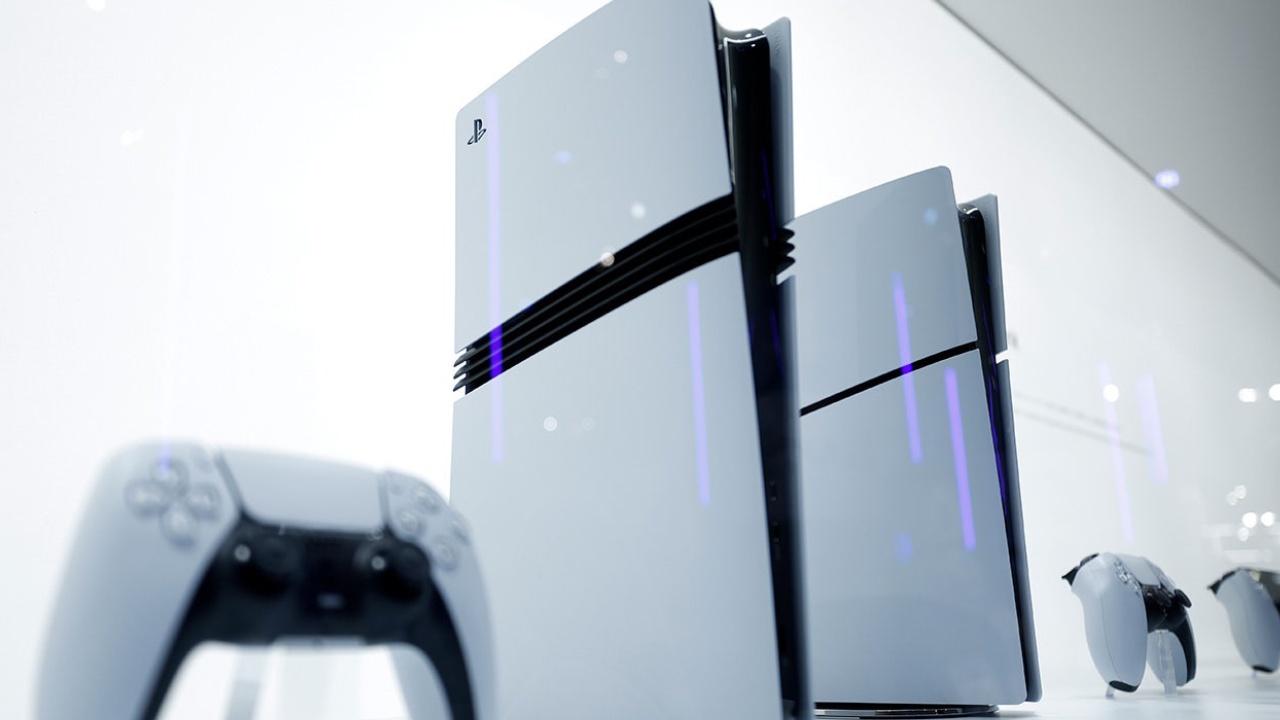
PlayStation 6 CPU Performance
The estimates suggest that the PlayStation 6 CPU could score around 2,100 in Geekbench 7 single-core and 10,500 in multi-core. Geekbench 7 doesn't directly translate to gaming performance, especially since some workloads rely heavily on AVX-512. AMD's involvement with Sony started with the Jaguar processor.
Both the PS4 and PS4 Pro used the Jaguar CPU, with clock speed as the main difference. Both systems had 8-core x86 CPUs designed around low-power devices such as laptops and notebooks. The original Jaguar processors were designed around 4 CPU cores, but Sony wanted 2 modules, resulting in 8 cores. Some CPU resources were also reserved for the operating system, although the exact allocation could vary depending on the workload.
PS5 and PS5 Pro moved to Zen 2. Again, the clock frequency is the main CPU difference between the systems, while the rest of the PS5 SoC changed significantly in the PS5 Pro. The PS5 Pro uses a combination of RDNA2, RDNA3, and RDNA4 technologies, with RDNA4 being used primarily for ray tracing.
PS5 CPU Provides a Reference for the PlayStation 6
PS5 CPU is similar to AMD's Ryzen 7 4800H, which is based on Zen 2. The Ryzen 7 4800H has 8 MB of L3 cache, while its clock frequency is higher than that of the PS5's CPU. The Ryzen processor reaches 4.2 GHz, compared with around 3.5 GHz in the base PS5. Based on leaked PlayStation 6 specifications, the new console could use 8 Zen 6 cores, though 1 core is reportedly disabled, leaving 7 available.
It would also include 2 Zen 6 LP cores, while the background cores are rumored to run between 3 GHz and 4 GHz. The reported specifications also include a 160W TDP and a 280mm² die manufactured on a 3nm process. Power consumption matters for a console because higher power requires additional power delivery components and cooling. It can also affect chassis size and the overall bill of materials.
The reported GPU configuration includes 54 RDNA5 compute units, of which 2 are disabled, leaving 52 active. The system is also expected to use a 160-bit GDDR7 memory interface. The exact memory capacity remains unknown because the final configuration could depend on how Sony fills the memory interface.
Zen 6C Density Could Affect Console Clock Speeds.
The reported PlayStation 6 specifications appear similar to information from multiple sources. However, the CPU performance numbers remain estimates, not confirmed results. Zen 6, Zen 6C, desktop processors, laptop processors, and console processors can all use different configurations. Console designs can also reduce some features.
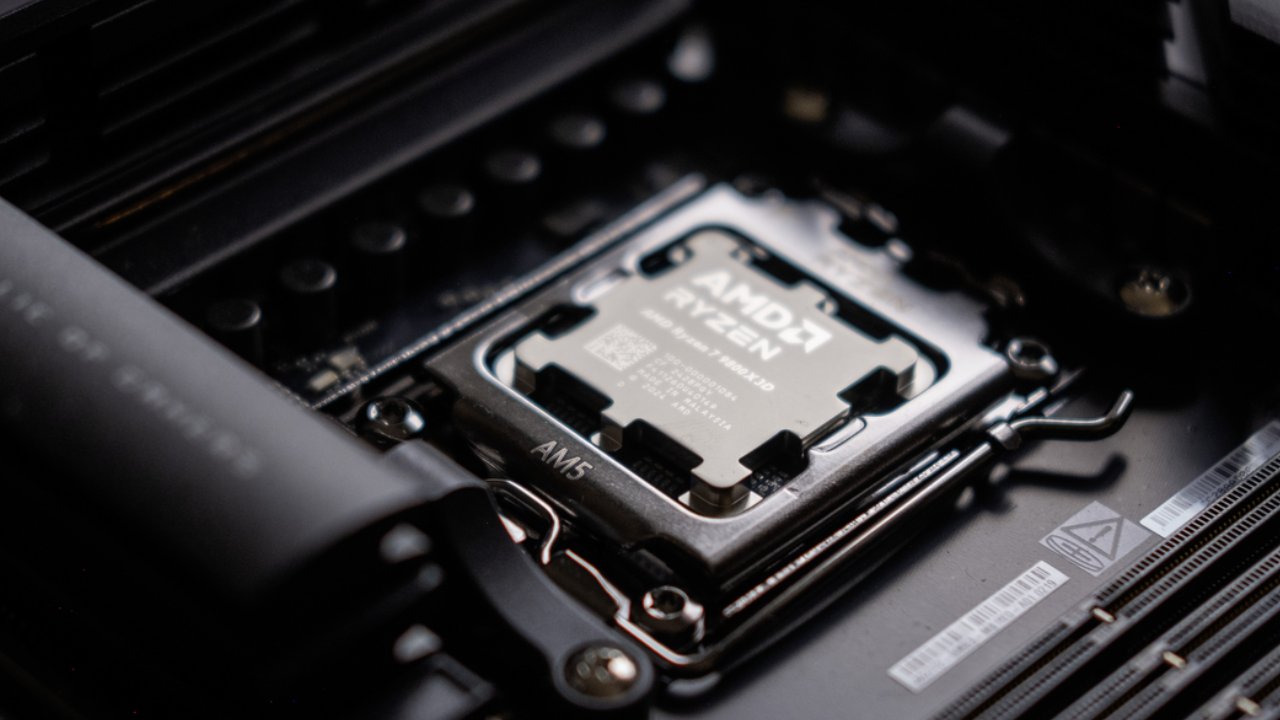
Zen 5 already showed differences between standard and denser cores, including in the L3 cache. C-cores increase core density while using less die space. Zen 4C to Zen 6C is expected to reduce core size, thereby increasing the number of cores that fit into a given area. The trade-off is that denser cores generally operate at lower clock speeds.
Desktop Zen 6 is rumored to reach around 6 GHz to 6.5 GHz, although higher figures have also been discussed. Retail samples are not available yet, so the final clock speeds remain unknown. Desktop Zen 6 is also expected to use 12 cores and 48 MB of L3 cache per CCD. Those are standard CPU cores rather than the LP cores expected in the PlayStation 6.
The PlayStation 6 CPU should be considerably faster than the PS5 CPU.
The PS5 CPU also reportedly has limitations with its AVX units, raising questions about what changes Sony could make to the CPU cores in the next generation. The CPU is not expected to be the primary performance driver of the PlayStation 6. In a console, the GPU usually has a larger influence on the overall performance target.
Spending more of the hardware budget on GPU compute can therefore make more sense than adding expensive CPU features that provide smaller gains. Another claim suggests that the PlayStation 6 could feature 48MB of stacked L3 cache. No clear evidence currently confirms this configuration.
A previous rumor suggested that Sony was considering stacked cache or stacked dies for the PlayStation 6. However, little information has supported the idea since then. Stacked cache could improve CPU performance, but the additional manufacturing cost would also need to be considered.
Editor, NoobFeed
Latest Articles
No Data.