
AMD Zen 6 and Intel Nova Lake Leaks Reveal New CPU Details
AMD Zen 6 and Intel Nova Lake leaks reveal major changes in core counts, cache, IPC, memory support, and latency.
Hardware by Nahe Yan on Oct 03, 2026
As of now, Intel's next-generation Nova Lake PC platform doesn't appear to have a firm launch date. Meanwhile, motherboard leaks are showing off a bunch of new platform features, and the memory supply issue is still affecting prices and the timing of new product releases. Nova Lake and AMD's Zen 6 architecture may further split the desktop CPU market when they come out around the same time.
The discussion of the delays wouldn't be complete without it being an Intel CPU launch. New Information: Intel Nova Lake might be delayed until Q1 2027. Reportedly, after Computex, Intel's rollout plan could start with just the 28-core model. The 52-core version is expected in the next 2-3 months, and it seems closer to Computex 2027.
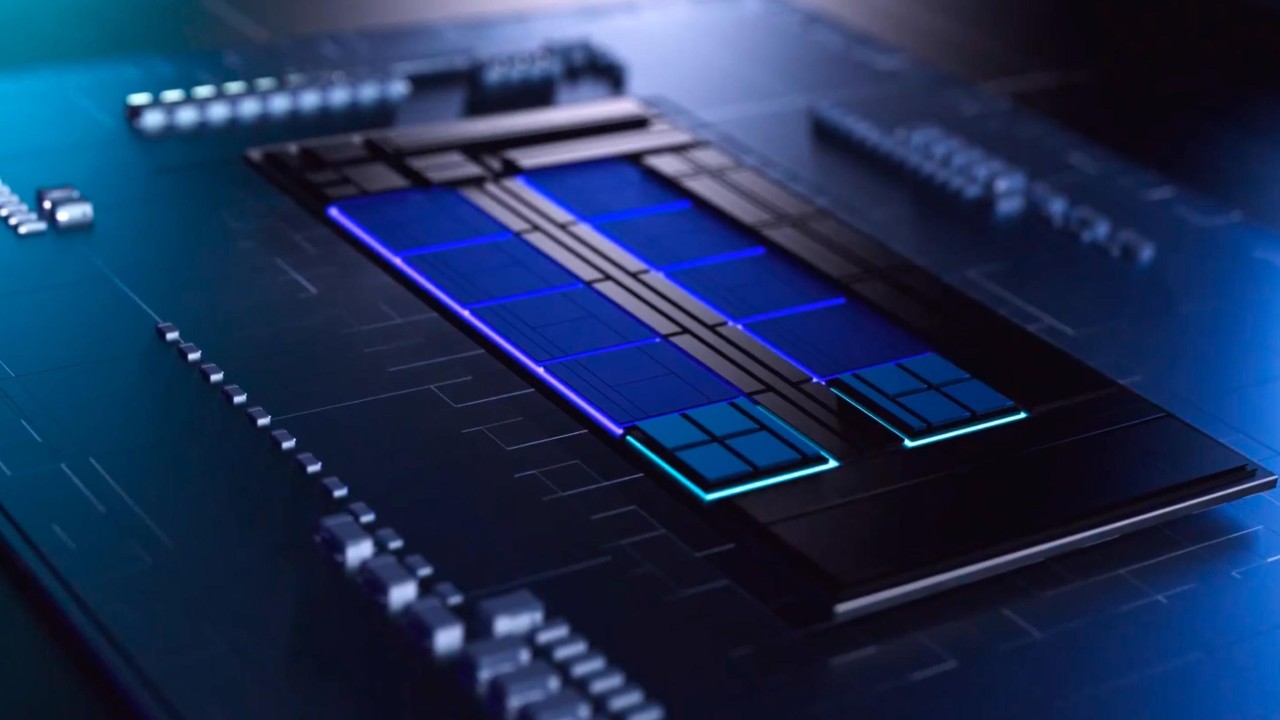
Nova Lake is Set to be Delayed Until Early 2027
The announced delay puts Nova Lake on a trajectory similar to that of AMD's Zen 6 architecture. The timing makes for a nice competitive situation. AMD could benefit from Intel's 52-core dual-tile Nova Processor, as it would compete with AMD's 24-core Zen 6 processor if the latter hits the market first. Comparing Intel's 28-core chip to AMD's 24-core chip may not show Intel leading in every situation.
That invites interesting speculation about how Intel plans to release the chip and why it's taking so long. It remains unclear whether it is due to memory supply issues, silicon development, software availability, or final platform tuning. Then there's the question of whether or not the single-tile variant with a larger last-level cache, BLLC, will be included in the initial 28-core release.
BLLC could significantly improve gaming performance. But without BLLC, Intel's gaming performance might be just slightly better than AMD's Ryzen 7 9800X3D, or even worse than upcoming X3D chips. That might affect initial impressions of Nova Lake's architecture.
The launch schedule could play a key role in determining which company gains real ground in the next-generation desktop CPU. According to reports, Intel will have advanced multi-core overclocking capabilities in Nova Lake. The idea is to support different frequencies per core for greater optimization and user-tunable control.
Power is one of the most important and still-growing challenges for upcoming desktop platforms.
There are also signs that Intel is ramping up its re-entry into the desktop market with simultaneous multithreading (SMT), otherwise known as Hyper-Threading. Previous talks focused on its merits as a server platform rather than as a high-core-count desktop platform. It remains to be seen whether these changes have been considered and could be implemented for Nova Lake at this time, but they are apparently in the mix.
Many questions remain in the latest reports about Nova Lake. Possible causes of the delays include memory availability, silicon development, software readiness, or further platform-related issues. With a launch push to 2027, Nova Lake may arrive right after AMD's Zen 6 family. This would boost competition and give AMD a head start.
Previously, Intel said it expects Nova Lake in the near future, so any extended delay would be hard to miss. Meanwhile, it's all about future announcements, more motherboard unveilings, and the ever-changing RAM market, which has been affecting the rest of the PC industry.
Editor, NoobFeed
Gaming Hardware Updates
No Data.