
Intel Razor Lake and Coral Rapids Get Early Linux Support Ahead of 2028 Launch
Razor Lake and Coral Rapids receive early software support, highlighting Intel's long-term plans for desktop and data center computing.
Hardware by Tanvir Kabbo on Nov 16, 2026
Intel is already preparing its software ecosystem for processors still nearly two years from market. The company has submitted initial Linux kernel patches and GCC compiler support for Razor Lake and Coral Rapids, two processor families expected to arrive in 2028. Although these submissions reveal little about performance, they provide an early look at Intel's post-Nova Lake consumer roadmap and next-generation Xeon server platform.
Phoronix reported that the submissions include work from Intel engineer Tony Luck, who has begun establishing processor identification support in the Linux kernel. The accompanying GCC patches target GCC 17.1 in early 2027, giving developers and software distributors considerable time to prepare.
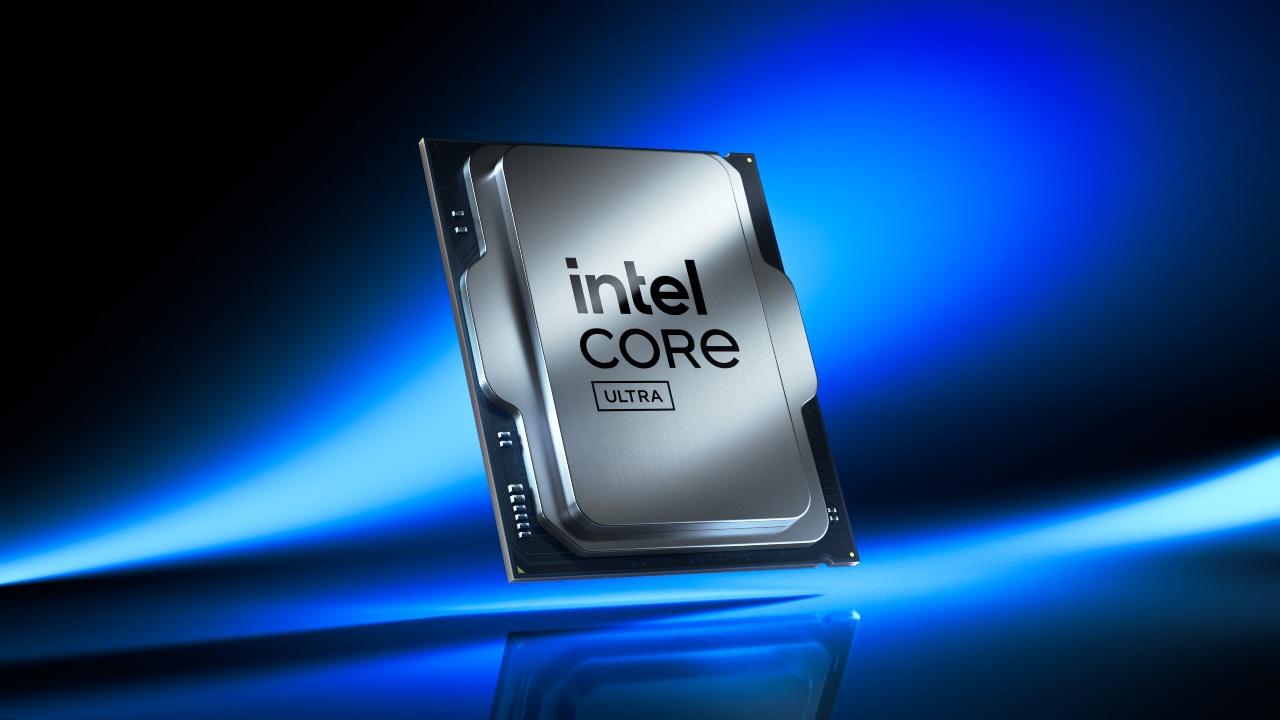
For hardware enthusiasts, these public engineering contributions offer a more tangible indication of Intel's development progress than speculative roadmap leaks.
Intel Starts Linux Enablement Nearly Two Years Ahead
The initial kernel patches establish the CPU Family and Model identifiers Linux needs to recognize upcoming processors. Although this sounds relatively minor, it is an essential first step toward broader hardware support.
These identifiers provide the basis for additional platform-specific enhancements such as hardware monitoring, power management, and CPU optimizations. And early GCC support is similarly vital, as compiler toolchains and enterprise Linux distros have long development and approval cycles. By starting the process well before the projected 2028 launch, Intel can help ensure software compatibility doesn't become a deployment bottleneck.
Razor Lake Reveals Four Consumer Processor Segments
Intel's submissions list several planned consumer variants under Family 18. Model 6 is delivered by Base Razor Lake, Model 7 by Razor Lake-L, Model 9 by Razor Lake-U, and Model 10 by desktop-focused Razor Lake-S.
The IDs show Intel is building a broader family of processors spanning many consumer sectors. Razor Lake-L is made for thin-and-light and low-power laptops, and Razor Lake-U is made for ultra-portable devices. Razor Lake-S is of particular interest to desktop aficionados as it is the predicted mainstream desktop lineup for 2028.
The desktop variant is widely expected to reuse the upcoming LGA 1954 socket, potentially extending the platform's upgrade opportunities. Its anticipated architecture includes Griffin Cove P-cores and Golden Eagle E-cores, although these details remain roadmap expectations rather than confirmed specifications from the initial patches.
Interestingly, Razor Lake retains the same Instruction Set Architecture (ISA) feature set as Nova Lake. That means Intel is working on architectural and platform updates rather than an altogether new set of processor instructions.
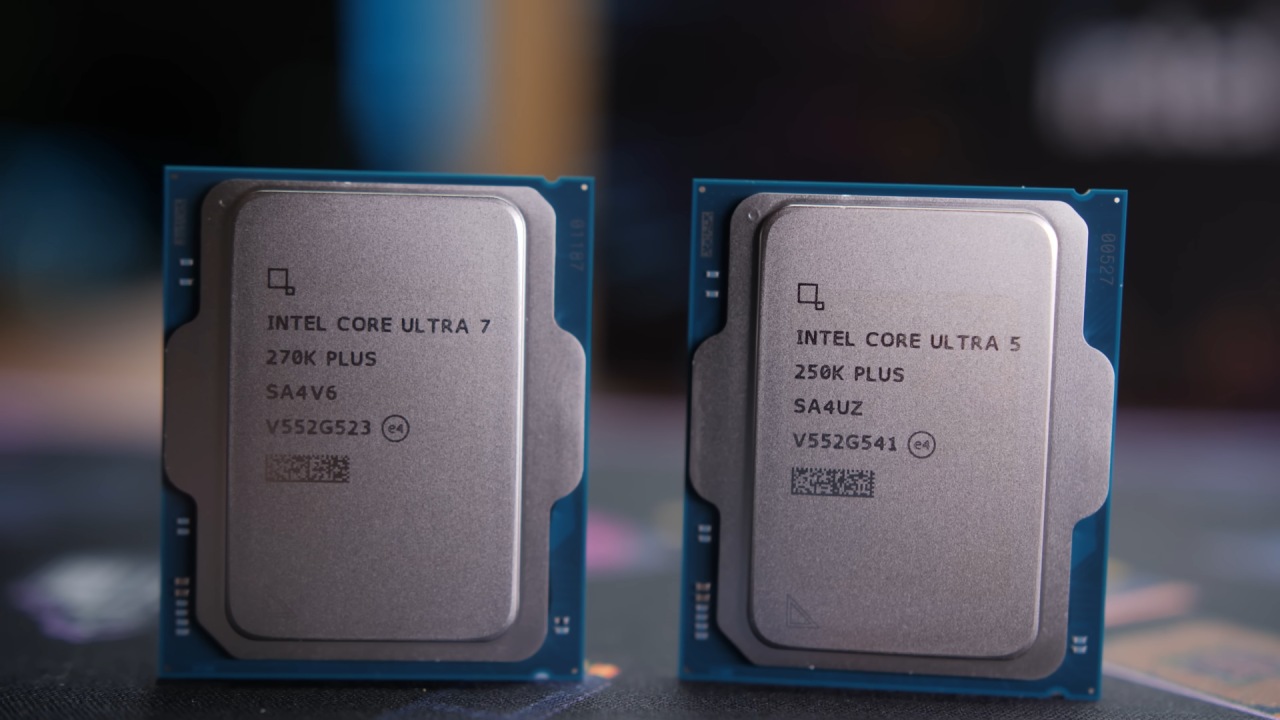
Coral Rapids Introduces New Xeon Instruction Sets
On the enterprise side, Coral Rapids is registered as Family 19 Model 8, the successor to Diamond Rapids in Intel's Xeon server family. GCC contributions include support for several large instruction set extensions, including AVX10.2, APX_F, AMX-FP8, AMX-AVX512, and AMX-TF32.
The AMX extensions are particularly critical for AI and data center workloads, offering specialized matrix operations needed to perform machine learning and other heavy computational workloads. Meanwhile, APX_F includes more general-purpose register features that can help compilers produce more performant code.
Another interesting inclusion is VPMLDSABFLYDQ, which supports specialized ML-DSA butterfly operations. This research underscores Intel's focus on specialized cryptographic workloads alongside traditional server computing, as ML-DSA is a post-quantum digital signature standard.
FAQ
Q. When are Intel Razor Lake and Coral Rapids processors expected to launch?
A. Both Intel Razor Lake consumer processors and Coral Rapids Xeon server CPUs are currently expected to launch in 2028.
Q. What are the CPU Family and Model IDs for Intel Razor Lake?
A. Razor Lake uses Family 18, with Model 6 for the base lineup, Model 7 for Razor Lake-L, Model 9 for Razor Lake-U, and Model 10 for Razor Lake-S.
Q. Which instruction set extensions will Intel Coral Rapids support?
A. GCC submissions identify support for AVX10.2, APX_F, AMX-FP8, AMX-AVX512, AMX-TF32, and specialized VPMLDSABFLYDQ cryptographic operations.
Q. Will Intel Razor Lake-S use the LGA 1954 socket?
A. Razor Lake-S is widely expected to use Intel's upcoming LGA 1954 desktop socket, although Intel has not officially confirmed this compatibility.
Senior Editor, NoobFeed
Gaming Hardware Updates
No Data.