
CPU Core Count vs. Clock Speed: Which Matters More for Performance?
CPU core counts and clock speeds play different roles in determining performance across gaming, productivity, and specialized computing applications.
Hardware by Tanvir Kabbo on Nov 16, 2026
Picking a new CPU is more than just a matter of its model number or price. Two essential specifications that affect CPU performance are clock speed and core count. More cores mean the processor can do more things at once, and higher clock speeds mean the cores can do more in that time. Knowing the distinction matters whether you're choosing a CPU for gaming, content creation, professional tasks, or everyday computing.
The central processing unit (CPU), often called the processor, is a key factor in a computer's overall performance. In the mid-90s, desktop processors usually had only one core. Modern CPUs, however, have become complex devices with multiple cores and sophisticated workload-distribution systems. This is where the PC fans' argument begins: CPU cores or CPU speed.
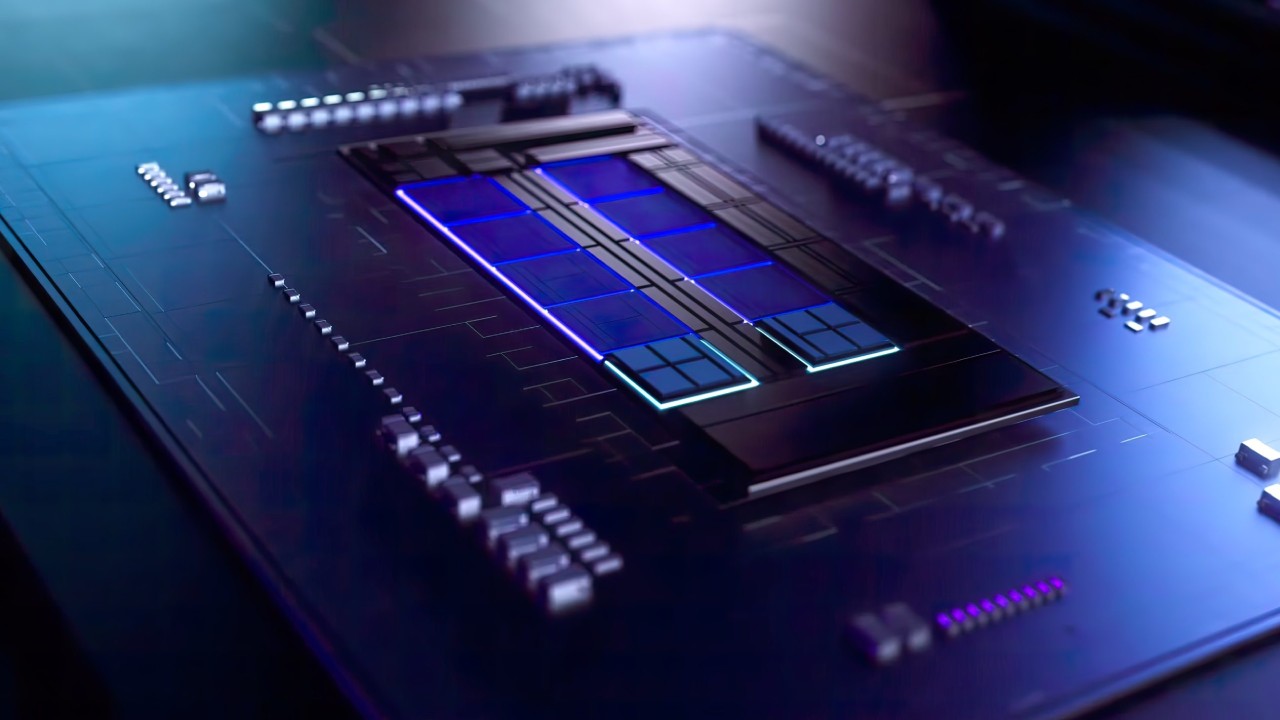
Neither specification is superior in all cases. Which one is right for you depends on your workload, performance needs, and budget. Manufacturers work hard to blend core count, clock speed, and cost to give CPUs that fit different customers.
Why CPU Core Counts are Important
If you used a computer in the 90s or early 2000s, you may have had moments when the whole system would hang up when one software stopped responding. This was mainly because the processors had a single core that handled all the system calculations.
With only one core available, intensive workloads may hinder other operations from progressing properly. With the development of dual-core CPUs, multitasking was dramatically improved by allowing computers to spread work across multiple cores.
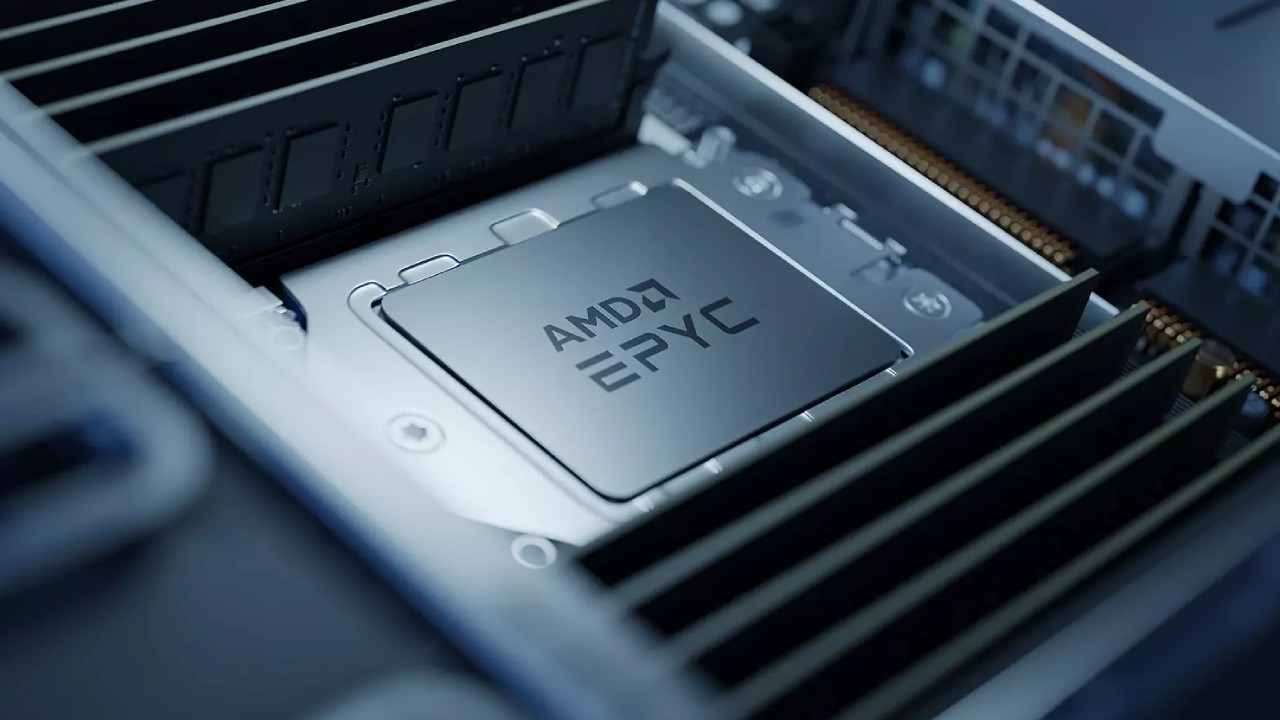
Today, AMD Threadripper and EPYC workstation and server processors are powerful, with up to 64 cores. These CPUs are especially beneficial for demanding applications that can spread workloads across many processing cores.
Why CPU Clock Speed is Important
A CPU's clock speed tells you how many operations each core can perform in a given amount of time. Clock speed, along with its bit width, also determines how much data the CPU can manage. A CPU operating at 3.93GHz could, in theory, do around 4 billion clock cycles every second. Modern processors can run at boost clock speeds of around 5GHz, allowing individual cores to process instructions much quicker.
Gaming is a classic case where clock speed may matter more than core count. Many games traditionally couldn't take advantage of many CPU cores. Faster individual cores still help gaming performance; however, this is slowly changing.
When Should You Choose More CPU Cores?
Higher core counts help especially in strongly multi-threaded tasks. If you run several virtual machines, render films, or do sophisticated simulations, an extreme multi-core CPU can dramatically reduce processing time.
AMD Threadripper CPUs are meant for demanding professional applications that can take advantage of multiple cores to spread tasks out. Scientists, researchers, and professionals working with sophisticated models can also benefit from extra processing capacity.
Such programs are generally made up of several smaller activities that can be executed concurrently on multiple cores. The net result is that with enough computing power, you can do a simulation in two days instead of a week and a half.
When Should You Prioritize Higher Clock Speeds?
Higher clock speeds serve a much wider user base. Gamers, developers, and content creators can benefit from faster individual cores. Most day-to-day computing doesn't require dozens of cores working at once. Higher clock speeds can speed up these tasks, making the system feel more responsive overall.
Games today are increasingly multi-core aware, but most still rely on strong single-core performance. This means a processor with faster cores can sometimes deliver better gaming performance than a CPU with many more cores.

CPU Core Count vs. Clock Speed: Which Should You Choose?
With most recent CPUs already having several cores, general consumers should focus on clock speed. For most users, a processor with 6 or 8 cores and a boost clock speed of roughly 4.8GHz to 5GHz strikes a good balance. These combinations are available in AMD's Ryzen and Intel's Core lineups.
But specialized tasks that involve heavy rendering, simulations, or many virtual machines can warrant investing in AMD Threadripper. These processors cost around $1,400-$4,000, and comparable motherboards are around $500-$600.
Ultimately, it should all come down to your workload. Higher core counts are better for heavy, multi-threaded professional workloads, but faster clock speeds tend to be better for gaming and everyday applications. Figuring out what you need will help you get the proper CPU without overpaying for performance you don't need.
FAQ
Q. What is more important in a CPU, core count or clock speed?
A. Neither is universally more important. Higher core counts benefit heavily multi-threaded workloads, while faster clock speeds generally improve gaming and everyday computing performance.
Q. How many CPU cores are enough for gaming?
A. A CPU with 6 or 8 cores is generally sufficient for most modern gaming systems, especially when paired with strong clock speeds.
Q. Does a higher CPU clock speed improve gaming performance?
A. Yes. Higher clock speeds can improve gaming performance by letting individual CPU cores process instructions faster, especially in games that rely heavily on single-core performance.
Q. Who benefits most from CPUs with higher core counts?
A. Content creators, researchers, developers, and professionals running virtual machines, complex simulations, or demanding rendering workloads benefit most from higher core counts.
Senior Editor, NoobFeed
Gaming Hardware Updates
No Data.