
AMD Mustang Peak Threadripper Confirmed: Zen 6 2nm CPUs, TR6 Platform, and PCIe 6.0 Revolution
AMD's Mustang Peak platform combines Zen 6 architecture, 2nm manufacturing, and next-generation PCIe Gen 6.0 connectivity.
Hardware by Masaru Hoshino on Jun 18, 2026
For years, AMD's HEDT and workstation-class AMD Threadripper lineup has defined what "maximum compute density" looks like outside of server racks. From content creation pipelines to simulation-heavy engineering workloads, the platform has consistently pushed core counts, memory bandwidth, and PCIe lane availability far beyond what mainstream desktop CPUs can offer.
Now, with early documentation leaks pointing to the next-generation "Mustang Peak" family, AMD appears ready to widen that gap even further. Rather than a minor refresh, this is shaping up to be a foundational platform shift—one that redefines both the physical socket and the underlying I/O architecture powering the highest end of workstation computing.
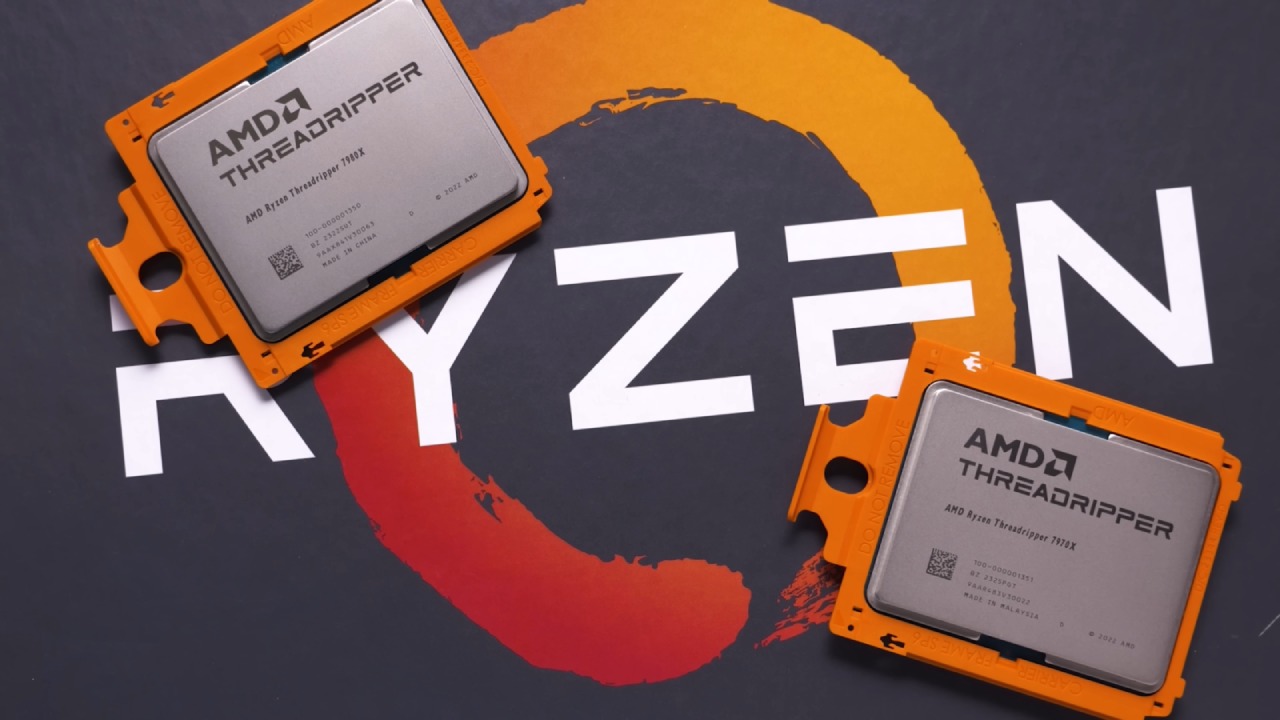
Zen 6 on 2nm: The Architectural Leap Behind Mustang Peak
At the heart of "Mustang Peak" lies AMD's upcoming TSMC-fabricated 2nm process node, paired with the next-generation Zen 6 architecture. The combination alone is a huge step up in both efficiency and computing density, especially for the steady multi-threaded workloads that make up the Threadripper ecosystem.
What makes this generation so interesting is the rumored advancement of CCD design. Early expectations indicate Zen 6 could move toward 12-core CCDs, a significant leap from the prior generation's design. If AMD continues its multi-chip module scaling strategy, this opens the theoretical door to configurations scaling as high as 144 cores in a single workstation-class CPU.
Such a leap would not just be incremental—it would fundamentally reshape expectations for desktop-class rendering, scientific simulation, and local AI training workloads. Even today's flagship Threadripper parts would look comparatively constrained in both core density and parallel throughput.
TR6 Platform and PCIe Gen 6.0: A Complete I/O Reset
One of the most significant changes tied to "Mustang Peak" is the introduction of a brand-new socket: the TR6 platform. This marks the first major socket transition since the TR5 era, signaling that AMD is not merely iterating on existing designs but rebuilding the platform to accommodate next-generation I/O demands.
This transition is driven by a clear endorsement of PCIe Gen 6.0, a generational jump that doubles the bandwidth per lane vs. PCIe Gen 5. This is not only an upgrade of the spec sheet for workstation users, but it also has direct implications on how data-heavy workloads are planned and executed.
The increased throughput ceiling will benefit large NVMe storage arrays, multi-GPU computing setups, and AI accelerator clusters. In practical terms, PCIe Gen 6.0 removes one of the last remaining bottlenecks in local high-performance compute scaling, especially for workloads involving large model inference or real-time data processing pipelines.
Memory architecture is expected to remain rooted in DDR5, though higher frequencies and expanded channel configurations are widely anticipated given the workstation focus. On the TR6 platform, PCIe Gen 6.0 is clearly all about bandwidth saturation, not just some incremental enhancement.
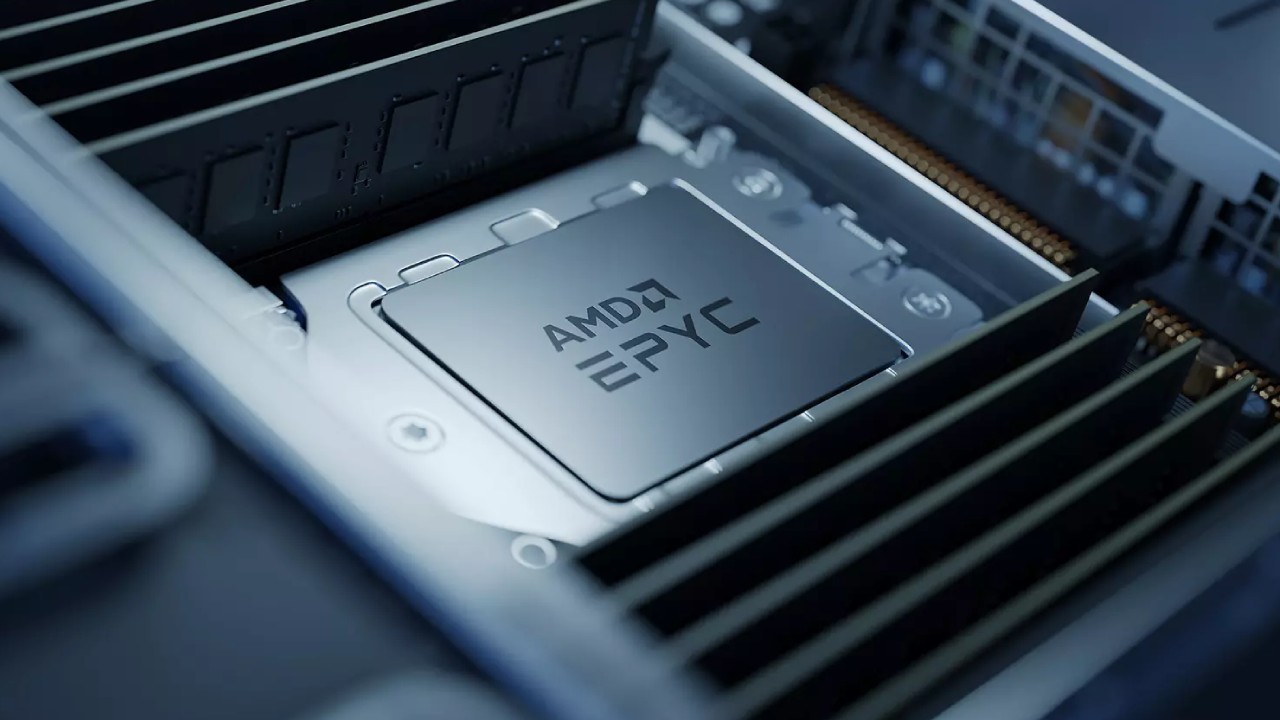
Core Scaling Potential: The 144-Core Workstation Horizon
AMD hasn't verified final core counts, but given the architectural approach, it will likely continue its chiplet-based scaling strategy. If Zen 6 goes to 12-core CCDs, the theoretical maximum for a fully populated workstation SKU might be 144 cores.
That would be a major leap over the current top-end "Shimada Peak" generation, which maxes out at 96 cores. More importantly, it would align with AMD's long-standing policy of increasing computational density laterally without sacrificing per-core efficiency.
In practice, that sort of parallelism would push workstation CPUs into low-end server territory, blurring the line between high-end desktop PCs and enterprise compute nodes.
Timeline: EPYC "Venice" Arrival Anchored in 2027
Workstation Threadripper platforms have historically been a step behind their EPYC server brethren. As such, "Mustang Peak" is expected to arrive only after the rollout of Zen 6-based EPYC "Venice" processors.
This places the likely launch window in mid-to-late 2027, assuming no major shifts in AMD's roadmap. While that may feel distant, it aligns with the kind of platform-wide overhaul being introduced here, particularly with the integration of a new socket and next-generation PCIe standards.
Intel's HEDT Strategy Under Pressure
If these leaks hold true, the competitive landscape becomes even more challenging for Intel's workstation ambitions, particularly its Intel Xeon W lineup. While Intel continues to iterate on high-core-count workstation silicon, AMD's trajectory with "Mustang Peak" suggests a widening gap in both raw density and platform-level bandwidth.
The combination of 2nm Zen 6 cores, TR6 platform architecture, and PCIe Gen 6.0 connectivity positions AMD to potentially dominate the next generation of workstation computing before it even arrives. Intel's response will likely need to go beyond incremental core increases and focus heavily on platform I/O innovation and the integration of specialized accelerators.
For now, "Mustang Peak" represents more than just another Threadripper generation. It signals AMD's intent to redefine what a workstation-class CPU can physically scale to—and what professionals will come to expect from the upper limits of desktop compute power.
Editor, NoobFeed
Gaming Hardware Updates
No Data.