
AMD GPU Update: RX 10000 Leaks Signal a New GPU Era
AMD's RX 9050 launches with disappointing benchmark results while future UDNA architecture promises significant changes across upcoming Radeon GPUs.
Hardware by Nahe Yan on Aug 02, 2026
The graphics card market continues to shift as new budget GPUs enter the market, next-generation architectures begin to leak, and premium graphics card prices continue moving higher. AMD's newest entry-level Radeon GPU has now received its first benchmark results, while new reports point toward major architectural changes for the company's future graphics lineup.
At the same time, premium RTX 50 graphics cards are becoming even more expensive at retail. AMD's new Radeon RX 9050 has officially appeared in its first review, and the early results are not encouraging. The card is currently the cheapest and slowest GPU in AMD's RDNA4 lineup, but even with modest expectations, its performance falls short of what many expected.
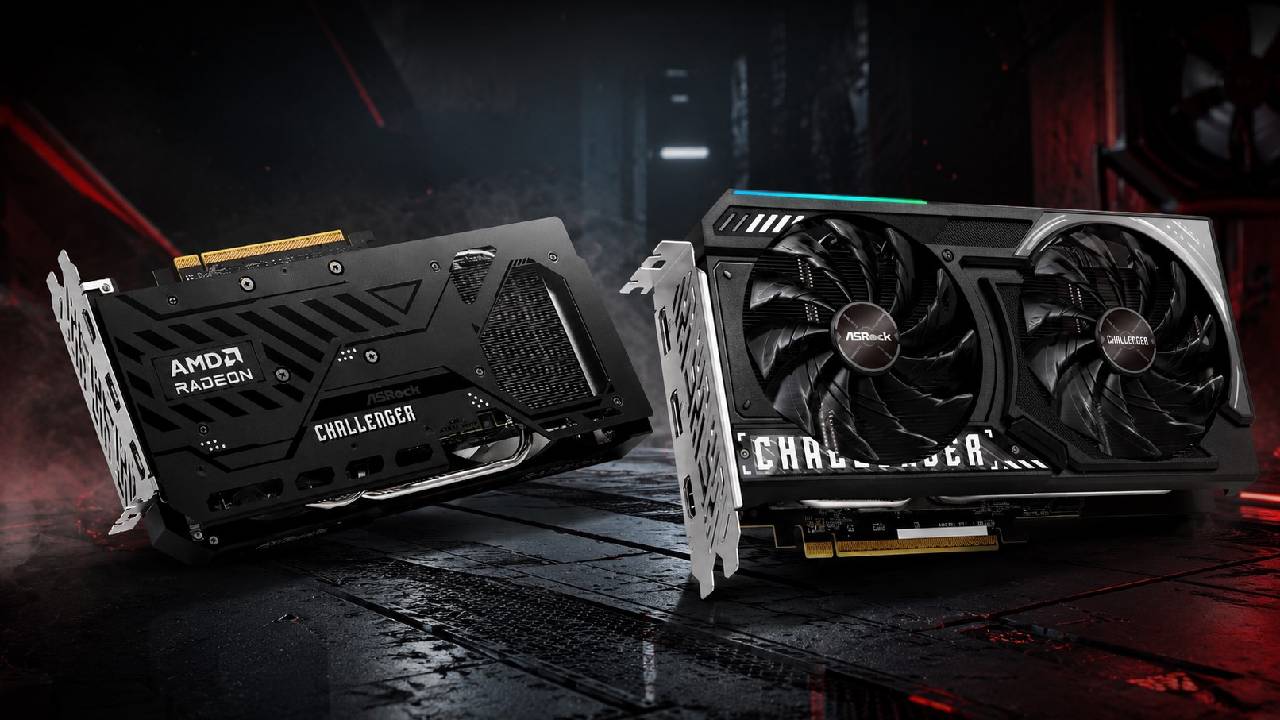
AMD's Radeon RX 9050 Delivers a Weak First Impression
The first benchmarks compare the 8GB version of the Radeon RX 9050 against Nvidia's 8GB RTX 5050. AMD also launched a 4GB version of the RX 9050, making memory capacity an even bigger concern for buyers looking at the entry-level segment. AMD also struggled in several synthetic benchmarks, including Speedway, Port Royal, Steel Nomad, and Fire Strike.
Performance alone might have been acceptable if AMD had aggressively priced the RX 9050. However, AMD has confirmed a launch price of $279. Meanwhile, the RTX 5050 can already be found for roughly $300. That means spending only about $20 more, or around7.5%, gives buyers access to approximately20-30% more gaming performance based on the current benchmark results.
These benchmarks come from a single review, so additional testing will provide a clearer picture over the coming days. Even so, unless AMD lowers the RX 9050's price, it is difficult to identify where this GPU fits within the current market. When a competing graphics card widely viewed as a poor value suddenly looks like the better purchase, AMD has a difficult pricing problem to solve.
AMD's RX 10000 GPUs Could Introduce a New Architecture
While AMD's newest budget GPU struggles to impress, the company's long-term roadmap looks far more interesting. Back in late 2024, AMD Senior Vice President and General Manager of the Computing and Graphics Business Group, Jack Huynh, explained that AMD planned to unify its consumer and data center GPU architectures.
Today, AMD develops RDNA for gaming products and CDNA for compute workloads. The long-term plan is to merge both development efforts into a single architecture, allowing one engineering team to build a common platform that serves multiple markets. During that discussion, AMD also confirmed that the new architecture would be called UDNA.
RDNA 5 Might Already Be Based on UDNA
A new report from Moore's Law Is Dead claims that AMD's next-generation RDNA5 architecture is already heavily based on UDNA. According to one of the source's long-running AMD contacts, RDNA 5 includes only a handful of additional changes, many of which could have originated from work related to the next PlayStation console. The report also claims there is no internal reference to RDNA 6 after RDNA 5.
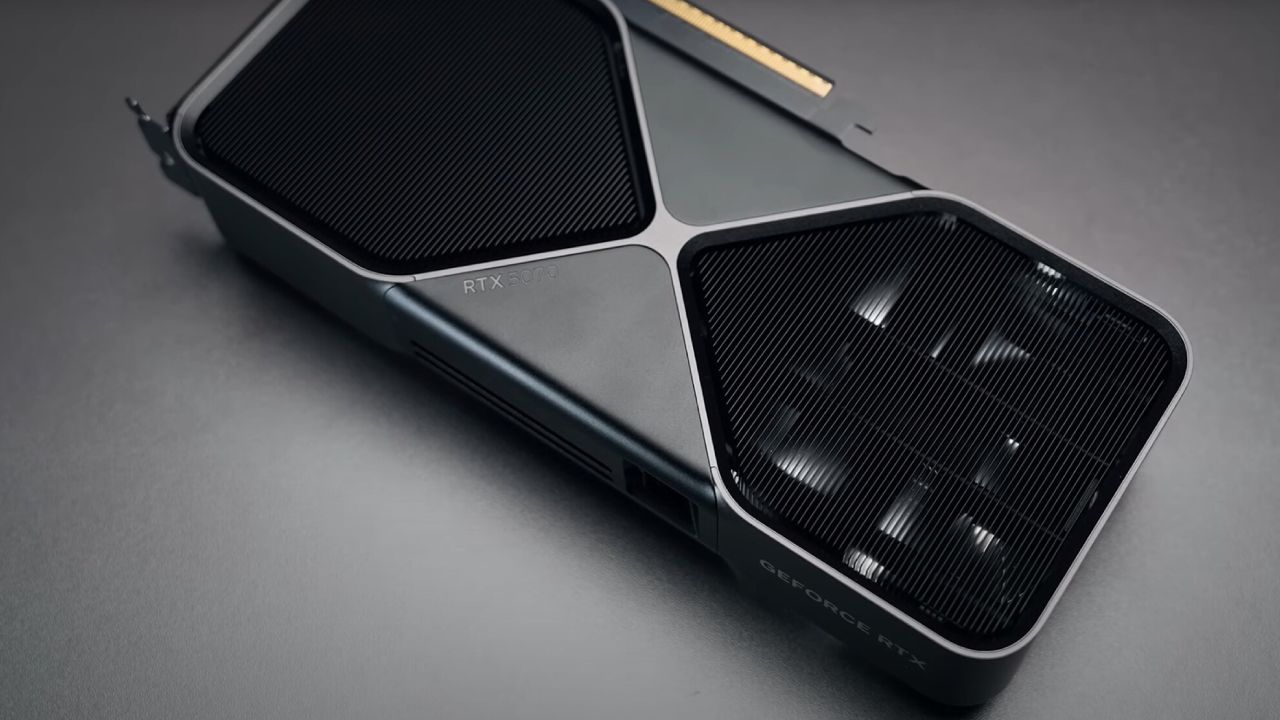
Instead, future development reportedly transitions directly to UDNA. The same report also suggests AMD's upcoming CDNA 5 architecture is becoming increasingly similar to its gaming-focused products.
While gaming and data center GPUs will almost certainly continue using different ray tracing hardware, graphics pipelines, memory configurations, and AI accelerators, both product families appear to be moving toward a shared foundation. That means AMD may not simply be preparing another Radeon generation with additional compute units and faster ray tracing.
Instead, AMD could be rebuilding its graphics roadmap around one scalable architecture capable of powering gaming GPUs, game consoles, and large AI accelerators alike. If these reports prove accurate, AMD's RX 10000 series may represent the first major step toward that unified graphics strategy.
RTX 50 Graphics Cards Getting More Expensive
GPU pricing also continues moving in an unfavorable direction. Only a few days after reports surfaced showing distributor price increases for RTX 50 graphics cards, similar changes are now appearing in the US retail market. Several premium RTX 50 models have received significant price increases, with some RTX 5080 cards now selling for more than Nvidia's official MSRP for the RTX 5090.
One example is ASUS' ROG Astral RTX 5080 OC. The card previously sold for $1,900 before receiving another $200 increase, pushing its retail price to approximately $2,100. For comparison, Nvidia's RTX 5080 Founders Edition carries an official MSRP of $1,000.
That means this specific ASUS model now costs more than twice the price of the reference design. The card originally launched around $1,500, meaning its retail price has climbed by roughly $600, or40%, over the past year and a half.
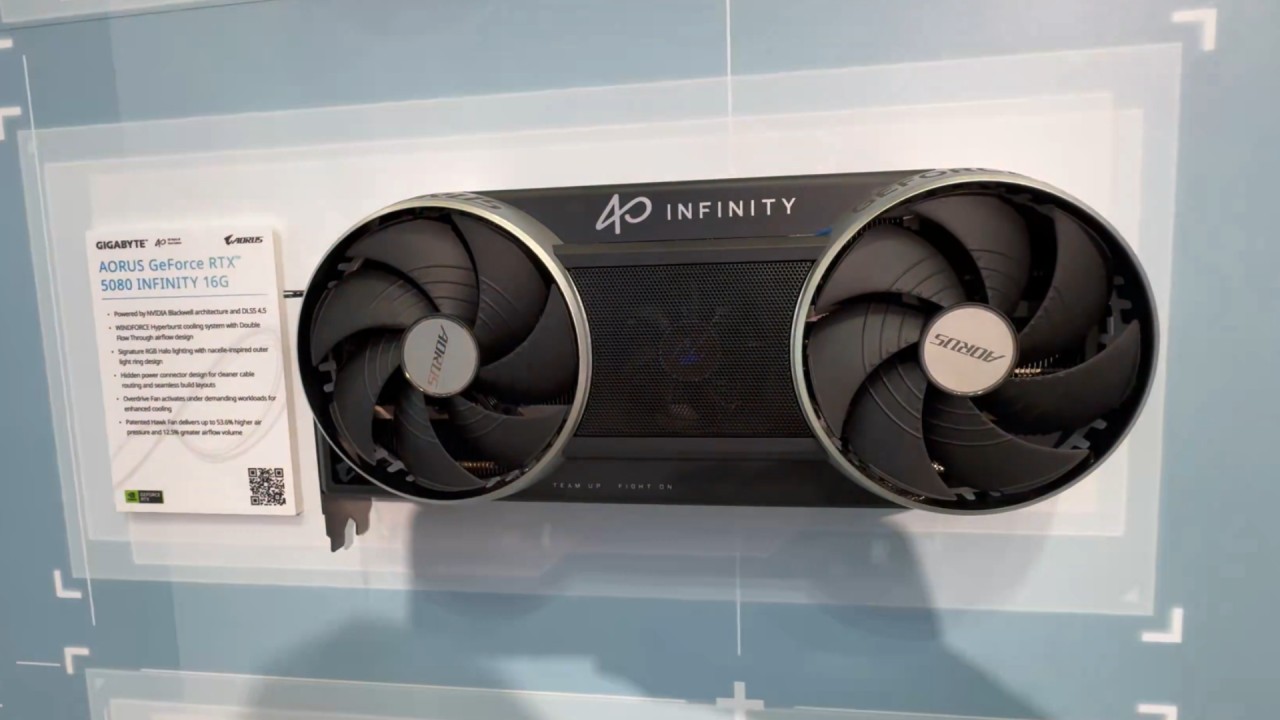
RTX 5090 has also seen major price increases on premium partner models.
ASUS ROG Astral RTX 5090 is now listed for approximately $4,830, while MSI's RTX 5090 Suprim Liquid SOC has increased to roughly $4,600. Those prices place several premium partner cards at well over twice Nvidia's official $2,000 MSRP for the RTX 5090.
Fortunately, these increases do not currently affect every RTX 5080 or RTX 5090 on the market. The largest changes appear to target premium flagship models rather than the entire RTX 50 lineup. Even so, the broader trend remains worth watching.
Earlier reports showed distributor pricing increases affecting a wide range of RTX 50 graphics cards, including several RTX 5070 Ti models. Those adjustments were reportedly linked to rising GDDR6 and GDDR7 memory costs.
Retail pricing in the US is now beginning to reflect at least some of those higher costs. That does not necessarily mean every graphics card will immediately receive a major price increase, but it does suggest that higher component costs are beginning to move through the retail channel. If memory prices continue rising, additional GPU price increases across more models could become increasingly likely over the coming months.
Editor, NoobFeed
Gaming Hardware Updates
No Data.