
Nintendo is Reportedly Nervous About The Legend of Zelda: Ocarina of Time on Switch 2 as Release Approaches
Eiji Aonuma has shared his fears of revisiting one of gaming’s most iconic adventures. This leaves questions about what the younger development team has done and whether the remake will live up to the legacy.
News by Tahmid Mahi on Oct 30, 2026
The Legend of Zelda: Ocarina of Time is almost done for Nintendo Switch 2, but a recent comment from series producer Eiji Aonuma has raised some intriguing questions about the upcoming release. But with less than a week to go until it launches, Aonuma has reportedly admitted that he's nervous about how the remake will be received.
His comments are particularly noteworthy considering that Nintendo is revisiting one of the most influential video games ever released and even relatively minor changes could influence how longtime fans experience the adventure. The remake therefore faces the challenge of satisfying longtime fans while introducing enough improvements to make the experience appealing to a new generation of players.
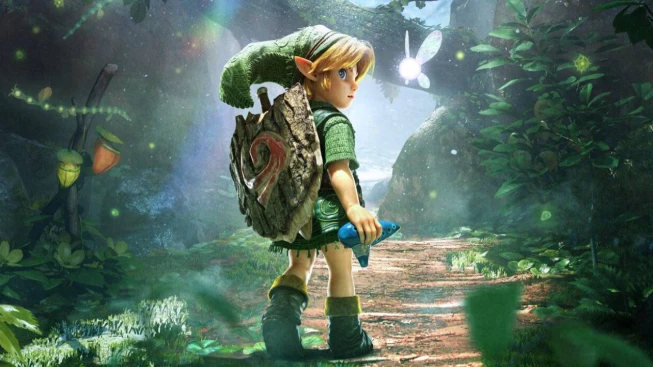
It was the younger members of the development team that helped make this version of Ocarina of Time happen, says Aonuma.
“We talked about how to adapt the original experience and how to make it fun with the controls we have today,” he said. Aonuma said he was excited to see what younger developers come up with for future Zelda games and said he was happy to guide them and work with them as they thought about what’s next for the franchise. But his acknowledgment that he can’t stop thinking about how the remake will be received has brought up questions about whether Nintendo is nervous about some of the changes made during development. Ocarina of Time is a major release for the company, and expectations are understandably high.
Ocarina of Time was released in 1998 and quickly became one of the most influential games of its generation. It was not only critically acclaimed, but it also established a lot of design conventions that would shape console gaming for years to come. Alongside games such as Super Mario 64, Final Fantasy VII, Resident Evil, and Metal Gear Solid, it was a big time when developers were pushing the limits of new hardware and more advanced game engines.
A lot of these releases didn’t simply iterate on an established formula but helped set the stage for experiences that would eventually become commonplace across the industry. Ocarina of Time was especially important in showing how a large adventure could combine exploration, combat, puzzles, and story in a three-dimensional world.
That legacy is also why Aonuma’s comments have attracted so much attention. The next version should bring with it several changes, and a few of them touch upon core parts of the original experience. One example we’ve already discussed is the ability to jump, which is a significant change from the movement system in the original game.
Fans have also been talking about the Forest Temple, especially after discussions about if some of the puzzles have been made easier.
Questions have been raised about whether the remake makes some encounters easier or harder, or changes the feel of familiar places. These are concerns worth thinking about, even if it would be too early to conclude that the whole game has been made easier based on conversations about specific parts. The original Ocarina of Time was never an impossible game to beat, but the puzzles and layout of the dungeons encouraged players to look around and think carefully about what to do next. Its temples were crucial to the overall experience, each with different mechanics and challenges.
At the same time, Nintendo has to think about players who are playing Ocarina of Time for the first time. Younger players may look at the game differently than those who played the original Nintendo 64 version. That’s why the development team has paid special attention to how the game feels with modern controls and how certain elements should be adapted for a new generation.
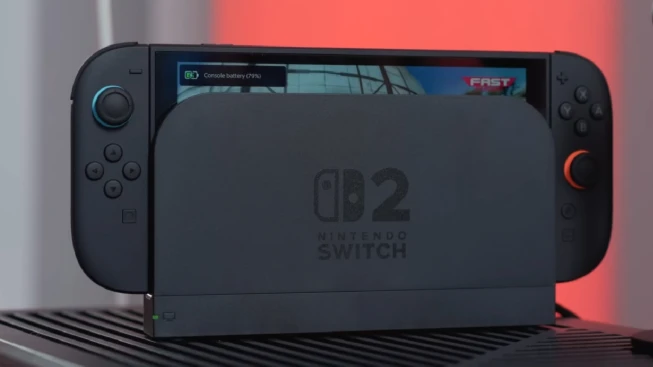
Aonuma’s comments suggest that the younger developers made these decisions, with him acting as an advisor. This method would allow Nintendo to keep the identity of the original game while adding ideas that would make the experience more digestible for modern audiences. But finding the right balance will be important, especially with a game that has such a dedicated following.
Then there’s the question of how reviewers and the wider gaming audience will respond.
The original Ocarina of Time is often cited as one of the greatest games of all time. Decades of discussion and appreciation have built the game’s reputation. But not every reviewer coming into the Switch 2 version is going to have the same relationship with the original release. Some will judge it as a modern game, while longtime fans will obviously compare every major change to the Nintendo 64 version.
This puts Nintendo in a difficult position, as the remake will be judged on many different levels. Players who played the original might be more sensitive to changes in things such as dungeon design, puzzles, and the general atmosphere. And in the meantime, newcomers could enjoy tweaks that make certain sections easier to understand or improve the flow of the adventure. But the overall reception is difficult to predict, as neither group will necessarily have the same expectations.
Aonuma’s nervousness could also be a sign of the responsibility that comes with revisiting such an important part of the franchise. Even if most changes aim to improve the experience, some decisions may not please everyone. Nintendo has spent years building out the Zelda series, and the forthcoming release will inevitably be compared to the original game and the more recent entries.
The comments also offer a fascinating glimpse into the future of the franchise.
Aonuma said he is excited to see what younger developers will do with future Zelda games and hinted that the next generation of the development team will play a big role in shaping the series. He didn’t give away any details on the next mainline game, but his remarks suggest that Nintendo is already pondering how the franchise should progress beyond its current path.
With Breath of the Wild and Tears of the Kingdom behind us, there’s plenty of room for the series to explore different ideas. Both games took a more open-ended approach to exploration, allowing players a lot of freedom to experiment with the environment and solve challenges in different ways.
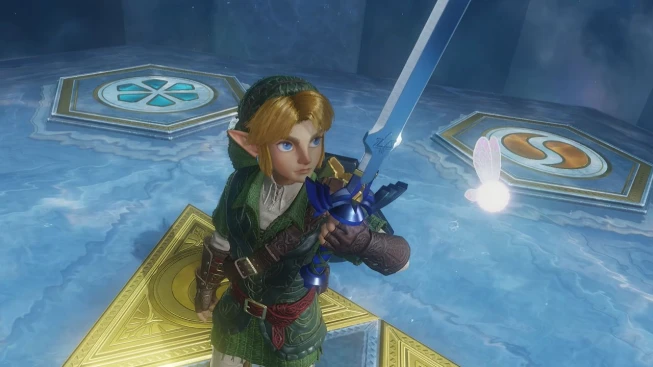
That’s part of why the Ocarina of Time return is so exciting, because it’s that traditional experience. The launch also gives Nintendo the opportunity to explore a different kind of Zelda adventure without necessarily committing to the same formula for future mainline titles. Aonuma’s remarks about guiding younger developers may therefore be significant as the company considers the direction of the franchise going forward.
There’s plenty of hype already surrounding the upcoming release.
The title has purportedly been selling very well on online storefronts ahead of its launch. But high on the Nintendo eShop charts doesn’t automatically mean it’s doing great sales-wise. The store rankings can give you an idea of how much interest there is, but it doesn’t tell you how many sales there are, and it doesn’t mean a game will be a blockbuster.
The biggest question, ultimately, is whether Nintendo has made the right choices in adapting Ocarina of Time to the Switch 2. Though Aonuma's comments don't confirm any specific worries from the development team about the change, they do point to the pressure of bringing such a beloved game to modern hardware. As the launch draws closer, players will be able to judge the updated experience for themselves.
Existing fans have much to be excited about, but they are also naturally curious about how much of the original adventure has changed. Without losing the things that made Ocarina of Time so impactful, Nintendo will need to prove that its changes will improve the experience.
It’s never going to be easy going back to a game of this importance after almost 30 years, but the upcoming release will reveal whether the development team has managed to get the balance right. The game's reception will ultimately depend on whether its new features enhance the original experience without taking away the elements that made it a classic in the first place.
Editor, NoobFeed
Related News
No Data.