
The Legend of Zelda: Ocarina of Time Remake Reveals Smaller File Size and Details About Blood Effects
The upcoming Nintendo Switch 2 release of The Legend of Zelda: Ocarina of Time has received an updated file size listing and an ESRB rating that confirms details about its violence.
News by Tahmid Mahi on Oct 26, 2026
The Legend of Zelda: Ocarina of Time is coming to the Nintendo Switch 2, giving fans another chance to play through one of the most loved entries in Nintendo’s long-running adventure series. The upcoming release has already caught the attention of players wanting to see the classic game presented on more powerful hardware.
The latest info doesn’t reveal any major gameplay changes, but two details have popped up that are worth looking at. These include an update to the reported file size of the game and new content information from the Entertainment Software Rating Board (ESRB).
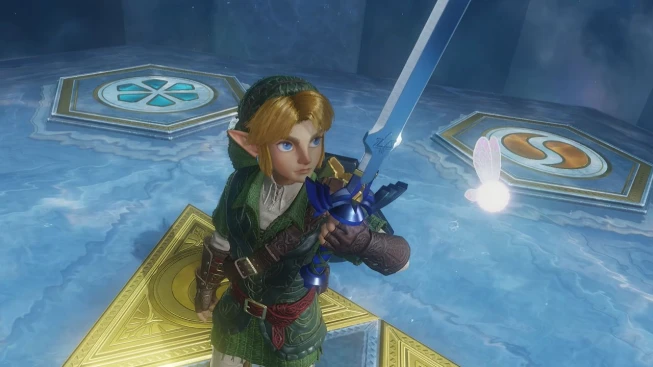
Ocarina of Time is full of nostalgia for longtime fans, especially those that played it on the Nintendo 64.
In its original release, players explored the land of Hyrule, solving puzzles, fighting evil, and experiencing a story about overcoming the darkness. The Switch 2 edition is a chance to revisit that experience, but fans will be curious as to how the remake will portray familiar locations and encounters.
First of all, I have to say that the game seems to have a smaller file size than has been reported. The impending release was initially listed at 27 GB, but the number has now dropped to 24.54 GB. That’s a significant cut in the storage space the game will require. While this reduction is not necessarily an indication of any major technical change, it does provide some insight into how Nintendo is handling the game's digital footprint.
The difference could be due to compression, which Nintendo has often used to keep its first-party games relatively small. Compared with some other major releases, Nintendo's games often require less storage space, even when they offer substantial worlds and plenty of content. This can be particularly useful for players who want to keep several games installed without having to constantly juggle their available storage. That said, the smaller file size doesn’t necessarily mean that Nintendo has cut content or scaled back any part of the experience.
You can compare it with other Switch 2 games and see the size difference better. Recent Call of Duty updates have taken up around 40 GB of storage space, meaning the entire Ocarina of Time release could fit into a single Call of Duty update. The comparisons show how diverse developers are in their storage needs across platforms and genres.
But a smaller download doesn't mean one game has less content than another or that it is poorly optimized. Assets, compression methods, and technical requirements can vary greatly. A game's overall quality depends on how effectively its developers use the available resources rather than the amount of storage space it occupies.
But the reduction does make for an interesting question about how much space Nintendo has available to put out the release.
Originally, the game was expected to take up 27 GB, but the updated 24.54 GB figure means that there is room for more efficient compression than previously indicated. There’s also a Nintendo Switch 2 version in development for hardware that packs more punch than the original Nintendo 64. The second development concerns the game’s ESRB rating, which gives players more insight into the content they can expect. The Legend of Zelda: Ocarina of Time for Switch 2 is rated E10+, meaning it is suitable for players who are 10 years old and above. The rating is due to animated blood and fantasy violence.
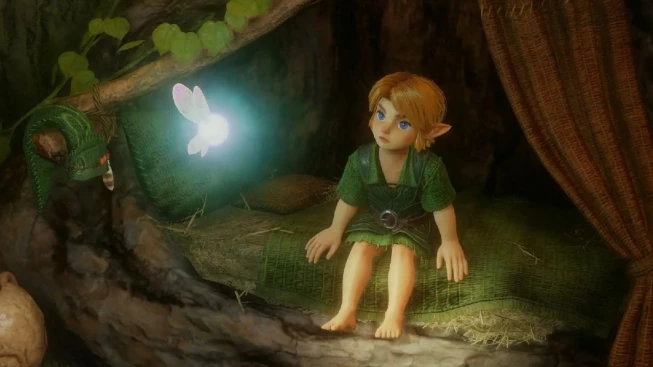
The ESRB’s description states that players take on the role of a hero, who is trying to defeat evil and save Hyrule, a fantasy land that is under threat from dangerous forces. You explore the world in a third-person perspective, interact with characters, solve puzzles, and fight various enemies. You will encounter bat-like creatures, spider-like creatures, chicken-like enemies, and guards. The description also says that players wield swords, shields, arrows, and magical spells to fight off their enemies. These encounters combine exploration and combat throughout your journey across Hyrule.
The ESRB also notes the combat features, sounds, colorful light effects, and cries of pain. Some enemies will leave behind green or purple blood effects when killed, and there are areas with larger boss enemies that take longer to defeat in battle. This tells you a general idea of what’s going on but doesn’t spoil any major plot points. In the original version of Ocarina of Time, Ganondorf coughs up red blood during a particular sequence. That detail was changed in version 1.1, which replaced the red blood with a green effect. Subsequent versions of the game have also used green blood rather than restoring the original red effect.
The reason behind the change is connected to the game's content rating.
Red blood could potentially affect the rating assigned to the game, possibly resulting in a Teen classification instead of E10+. However, the latest ESRB description confirms animated blood without indicating that the remake will restore the original red effect. The listing instead mentions green or purple blood effects for certain enemies, suggesting that the familiar approach remains part of the version being described.
Whether this decision has a significant impact on the overall experience is a separate question. Ocarina of Time does not rely heavily on blood to communicate the impact of its combat, and the effect is not a central part of its identity. Other entries in the series, including Twilight Princess and the Hyrule Warriors games, have received Teen ratings without preventing them from finding an audience.
As a result, the absence of red blood is unlikely to change the appeal of the Switch 2 release for most players, even if some longtime fans would have preferred a closer return to the original version. The game's memorable story, puzzle-solving, and exploration remain far more important to its overall experience than the color of its blood effects.
The ESRB description also touches on the presentation of the remake, noting the presence of colorful light effects during combat. This is something to consider when you watch the footage of the Forest Temple. The way some scenes present themselves has sparked discussion about the remake's atmosphere. Some viewers have questioned if the new lighting and visual effects change the tone of familiar locations. While the rating description does not confirm that the remake has undergone a broader tonal shift, it does provide another detail for fans to consider when comparing the new presentation to the original.
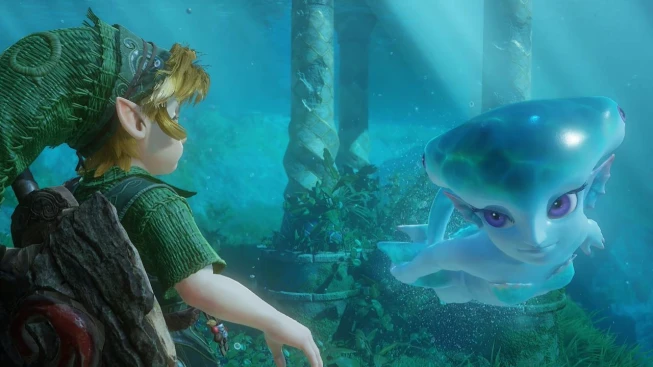
There is also a practical reason why some encounters in the remake might work differently. When Ocarina of Time first came out on the Nintendo 64, the hardware put some pretty serious limits on what developers could throw into a game. Cartridges stored far less than modern game formats; the largest Nintendo 64 cartridges were 64 megabytes rather than gigabytes.
Players therefore often had to rely on their imagination to fill in the gaps.
The original game might be able to suggest a specific atmosphere or encounter without having the technical resources to present every detail as fully as developers might have wanted. This phenomenon was not limited to Ocarina of Time, as games all across the industry were forced to work around the limitations of the hardware of the time. The Switch 2 version gives Nintendo access to more capable hardware, allowing those ideas to be realized in greater detail. This would allow developers to expand the visual presentation of dungeons and encounters to include things that the original release limited.
Thus, the lighting effects and other visual changes might simply be a manifestation of an attempt to realize the atmosphere of the original game more fully, rather than a conscious effort to change its identity. The available information doesn’t establish the developers’ intentions, though, so the final implementation will be important in determining how these changes affect the experience.
Smaller file sizes and ESRB ratings are pretty minor developments, but they give us a few useful details about the upcoming release. Dropping from 27 GB to 24.54 GB indicates that the game’s storage requirements have changed and the rating confirms that fantasy violence and animated blood are still part of its presentation. The colorful lighting references give fans following the remake’s visual direction one more point of comparison. None of these details confirm a major change to the original adventure, but together they provide players a better idea of what to expect as more information becomes available.
The biggest question for longtime fans will be how faithfully the remake recaptures the atmosphere and experience that made Ocarina of Time so memorable. The new presentation may also make familiar locations feel more fleshed out, and the continued use of green or purple blood effects keeps with a trend established in later iterations of the original game.
It’s worth noting that the file size is smaller, although it doesn’t provide enough information to draw conclusions about the overall technical quality of the game. With the Switch 2 on the horizon, these details give us a couple of reasons to take note, but it doesn’t necessarily mean the remake will change the experience in any major way.
Editor, NoobFeed
Related News
No Data.