
XBOX Project Helix Could Cost $1,800 as RTX 5080 24GB Rumors Emerge
Microsoft's next-generation Xbox could face affordability challenges while NVIDIA's rumored RTX 5080 24GB highlights growing pressure across the graphics card market.
Hardware by Tanvir Kabbo on Oct 26, 2026
Component costs are rising and demand for more memory is increasing, so next-gen gaming gear will likely cost substantially more. But Microsoft's Xbox Project Helix and the leaked RTX 5080 24GB graphics card from NVIDIA show how uncertain hardware prices will be.
While neither the rumored console prices nor the suggested GPU configuration are fully confirmed, the two events could impact gamers' and PC enthusiasts' purchase decisions.
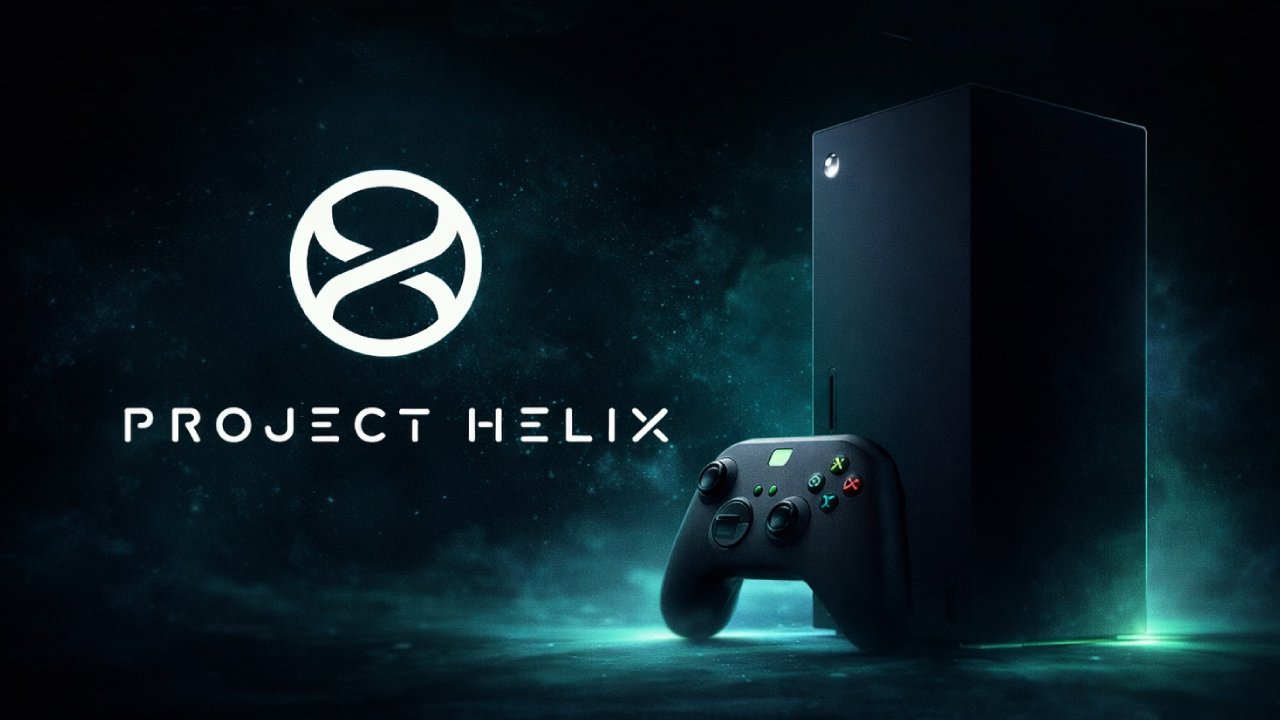
Xbox Project Helix Could Face a Major Pricing Challenge
Microsoft's next-generation XBOX, codenamed Project Helix, is believed to be more than a single device; it's part of a broader hardware strategy. Xbox CEO Asha Sharma has described Project Helix as a family of consoles, with reports that a portable and a full home console will arrive at separate times.
There's also suspicion that Microsoft could be waiting for a big exclusive release to promote the next generation. But when, and who, any possible title might be is still unknown.
Even more worrying are claims that the next-gen home console could retail between $1,200 and $1,800. These estimates have been questioned, with former Xbox executive Mike Ybarra asking whether a console at that price point could attract a large audience.
At those price points, many buyers may stick with their current gear or buy a gaming PC. Affordability is a major factor for console makers that rely on hardware sales, subscriptions, accessories, and software.
If the next generation of consoles proves expensive, developers may feel even more pressure to make games that run on current systems. New hardware will be less enticing to gamers who don't want to spend a fortune, while cheaper titles and indie releases may become more attractive.
NVIDIA RTX 5080 24GB Could Replace the 16GB Model
NVIDIA's RTX 50-series range is similarly in flux. Although NVIDIA has not discontinued the RTX 5090, consumers remain concerned about limited availability and prices far above the initial MSRP.
Meanwhile, rumors say the RTX 5080 16GB could be nearing the end of its inventory cycle, with a 24GB version perhaps on the way. One circulating claim says the new model could cost roughly 20,000 yuan, but it hasn't been officially confirmed.
The next RTX 5080 24GB is said to keep the GB203 GPU. So the extra memory wouldn't necessarily boost raw processing performance much. Higher power limits or clock speeds could boost performance, but it's unclear by how much.
The extra VRAM could still help people working on local language models, AI applications, and other memory-hungry tasks. But certain larger models and demanding professional apps might still be too much with 24GB.
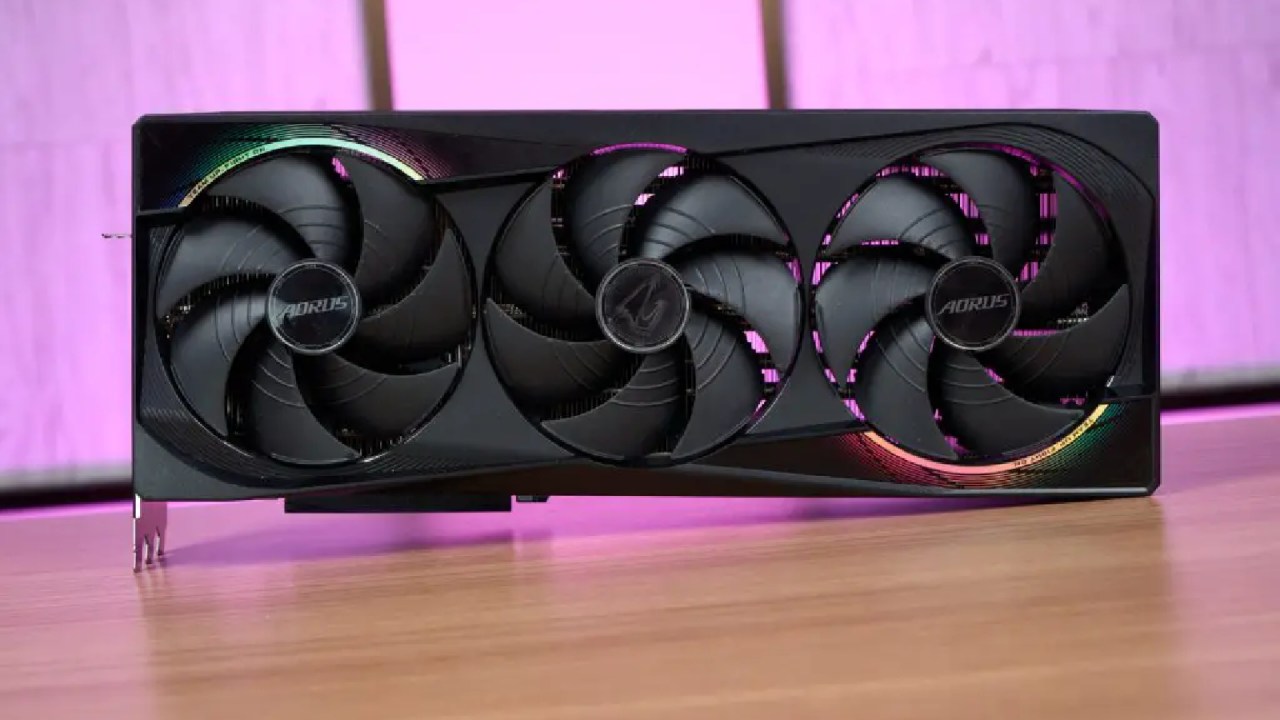
RTX 50-Series Prices Could Continue Rising
Reports now suggest RTX 5080 16GB cards are pricier, while other RTX 50-series cards with 8GB and 16GB variants are also seeing pricing pressure. Rumors also point to a potential RTX 5060 Ti 12GB. 2GB memory modules have also been reported to be discontinued; however, the final product lineup has not been confirmed.
This reflects broader fears about memory capacity and production costs. Data centers are burning through hardware for AI workloads, while hobbyists are increasingly interested in graphics cards with more VRAM for local AI experiments.
AMD has also raised GDDR6 costs as of October 1, showing the burden isn't all on NVIDIA. That means rising memory prices could affect graphics cards across many product lines, not just one vendor.
Gaming Hardware Could Become More Expensive
Xbox Project Helix prices and RTX 5080 24GB speculations suggest a bigger problem for the gaming industry. More powerful technology can mean better graphics, higher performance, and more demanding workloads, but those benefits become less tempting when prices are out of reach for a large share of the market.
Existing consoles and graphics cards may remain viable options for gamers longer. Manufacturers, however, will need to balance increasing component costs against consumer demand.
Take rumored costs and configurations with a grain of salt until Microsoft and NVIDIA announce their plans. But rising memory costs and competition for manufacturing capacity suggest affordability will remain a major concern for the next generation of gaming devices.
Senior Editor, NoobFeed
Gaming Hardware Updates
No Data.