
NVIDIA RTX 5090 Discontinuation Rumors Denied Amid Supply Constraints
NVIDIA denies RTX 5090 discontinuation rumors as severe supply constraints and AI demand continue to disrupt flagship GPU availability.
Hardware by Masaru Hoshino on Oct 18, 2026
NVIDIA GeForce RTX 5090 is at the center of increasing uncertainty in the high-end GPU market, with rumors that NVIDIA could end its flagship consumer graphics card. Retail listings were disappearing, availability was shrinking, and enterprise AI hardware was becoming more profitable, all of which reinforced rumors that the company was abandoning its most powerful gaming GPU.
But NVIDIA CEO Jeff Fisher has explicitly denied these reports, clarifying that the GeForce RTX 5090 and the China-only RTX 5090 D are not canceled. Fisher stressed that "we will continue shipping," underscoring that the flagship is still part of the company's consumer graphics offering.
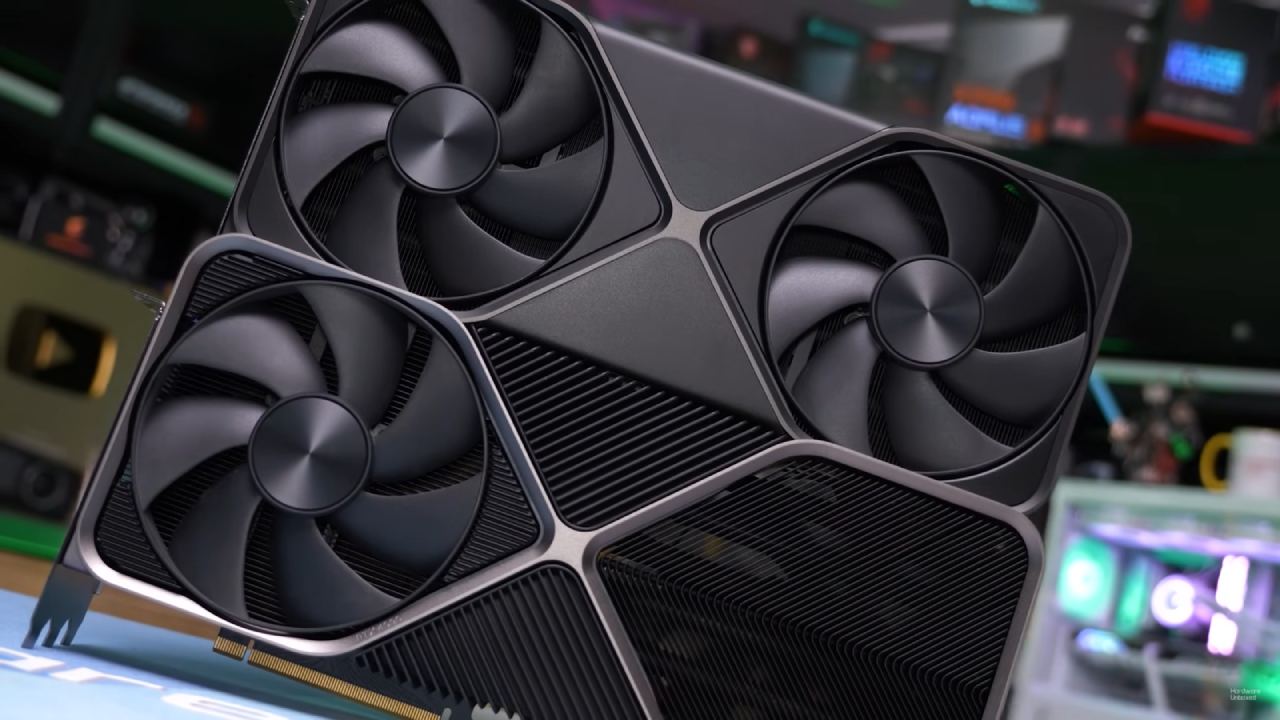
The announcement is somewhat comforting, but it doesn't tackle the core issue. NVIDIA has confirmed massive supply shortages, with PC builders scratching their heads over where to obtain the RTX 5090 at a fair price. The card may not be dead, but it is getting harder and harder to buy one.
NVIDIA RTX 5090 Remains Alive Despite Severe Supply Constraints
Fisher's clarification makes a crucial distinction between discontinuation and limited availability. But the current situation suggests the supply chain is struggling to deliver enough units, whereas a formal end-of-life decision would imply NVIDIA is phasing out the product.
However, continued shipments do not guarantee healthy retail availability. NVIDIA depends on its add-in-board (AIB) partners, distributors, and retailers to bring finished graphics cards to consumers. When allocations remain limited, even an actively supported product can effectively disappear from store shelves.
For gamers, the practical consequences remain frustrating. Listings become unavailable, restocks are unpredictable, and buyers must compete for a limited number of cards. NVIDIA has addressed the discontinuation rumors, but it has not provided a clear timeline for when availability might improve.
Where Is the GB202 Silicon Going?
The rumors gained traction because they aligned with the financial incentives shaping NVIDIA's business. The RTX 5090 uses the massive GB202 die, making the allocation of advanced Blackwell silicon an important consideration as demand for AI computing continues to expand.
Earlier reports suggested NVIDIA was redirecting GB202 production away from consumer graphics cards toward data center accelerators and professional products. NVIDIA, however, has not acknowledged this shift. Given the company's massive enterprise AI sector, the notion seemed plausible.
Data center clients buy compute gear for AI training, inference, and other demanding tasks, and they often have different purchasing criteria than individual gamers. Conversely, the RTX PRO series targets professional visualization, engineering, and computing workloads that require expensive hardware.
Reallocating constrained silicon capacity to certain sectors could generate substantial financial benefits. But business motivations alone don't prove NVIDIA deliberately sacrificed RTX 5090 production. The business has not released specific allocation numbers, but Fisher's comment clearly refutes allegations that it terminated the flagship.
Could a 24GB RTX 5080 Replace the Flagship?
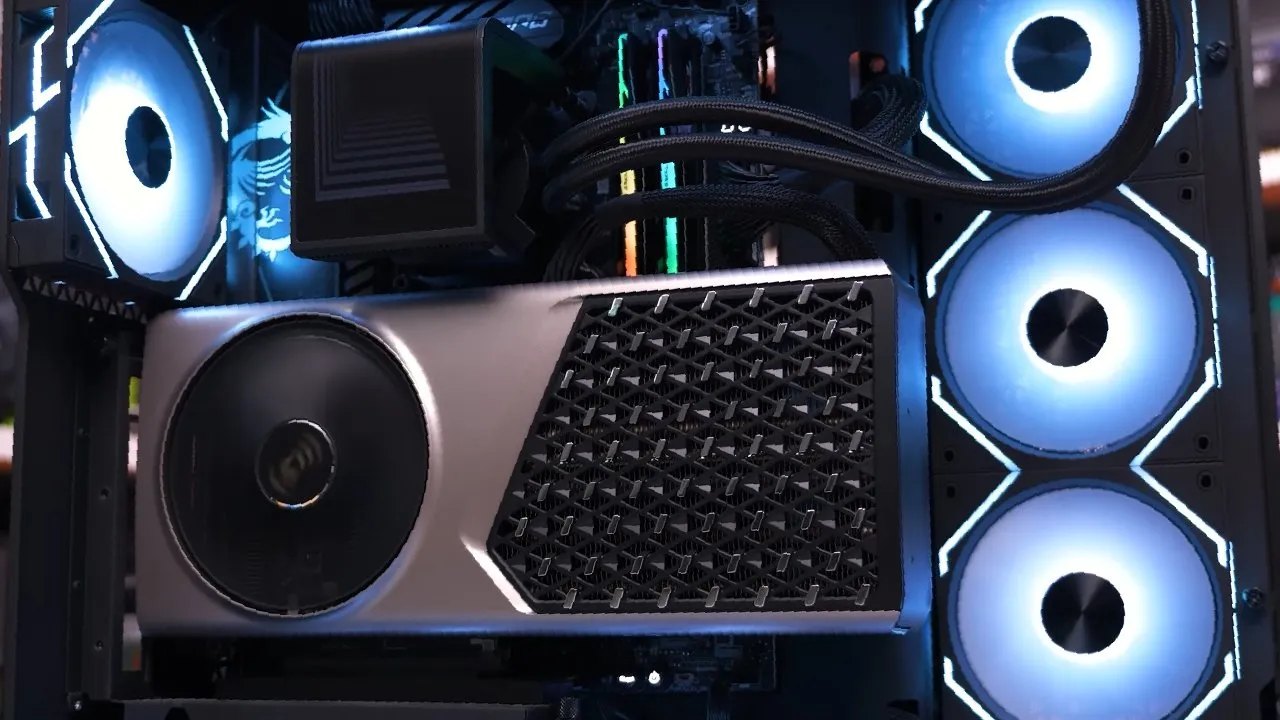
The speculation took an interesting turn with speculation of a possible 24GB RTX 5080. Reports even suggest such a card could take over the top consumer spot if NVIDIA discontinues the RTX 5090.
But the purported configuration remains unverified. Even with 24GB of memory, the RTX 5080 wouldn't automatically match the RTX 5090. Whether it's a viable alternative depends on processing resources, memory bandwidth, power limits, and pricing.
The $5000+ RTX 5090 Scalper Market
The biggest problem is the gap between what NVIDIA says and what users pay. The RTX 5090 launched at a $1,999 MSRP, but listings show prices over $5,000, with some on Amazon going for almost $8,500. This shows how bad the shortage could get.
These postings are not necessarily an indication of completed sales prices or typical transaction pricing. But they do highlight how merchants might abuse restricted availability when demand is still high and true restocks are hard to discover.
For PC builders, this makes the differential between availability and pricing essentially irrelevant. A graphics card can still enter production and be unavailable to its intended audience. Paying multiple times the advertised price also devalues a premium gaming system, especially when that money might go toward a whole high-end PC.
Editor, NoobFeed
Gaming Hardware Updates
No Data.