
NVIDIA RTX Spark Laptops vs MacBook Pro: AI, Gaming, and Battery
NVIDIA RTX Spark laptops combine dedicated RTX graphics and massive shared memory to challenge Apple's MacBook Pro in local AI workloads.
Hardware by Tanvir Kabbo on Oct 17, 2026
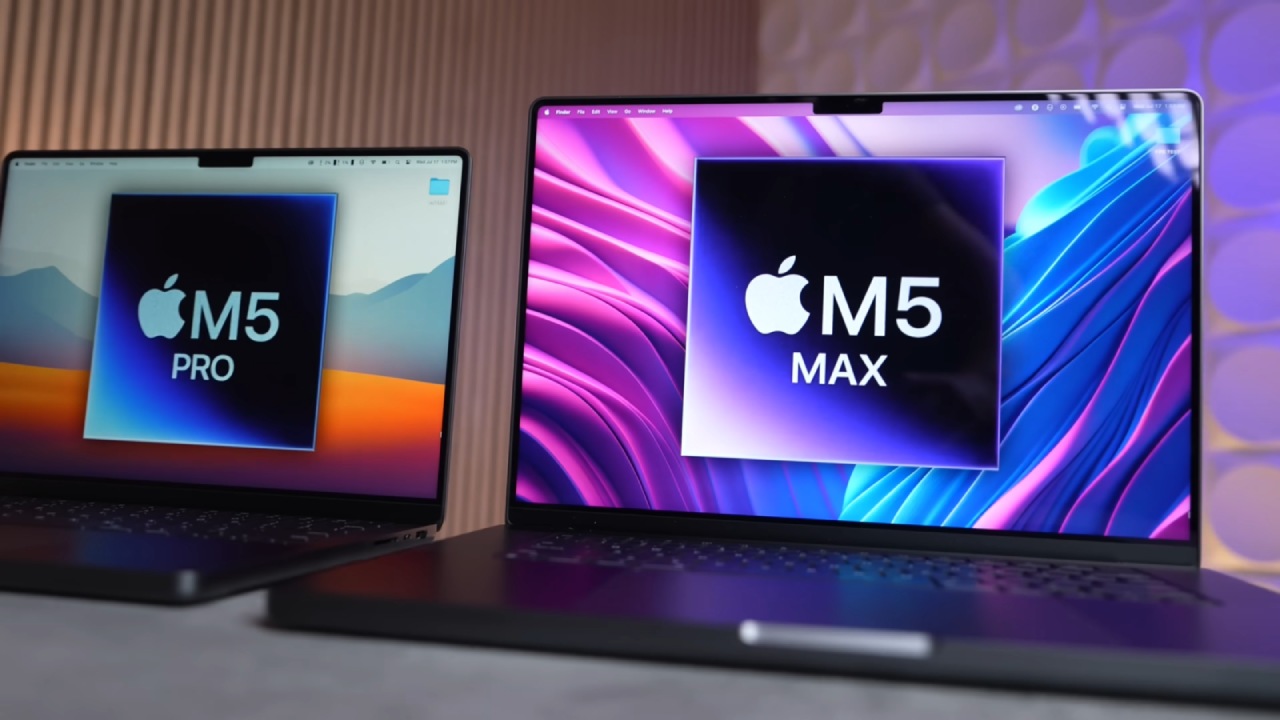
NVIDIA RTX Spark notebooks introduce Windows on ARM to a new premium laptop category for local AI workloads, with dedicated RTX graphics and up to 128GB of shared memory. Models like the Asus ProArt P16 and the HP OmniBook Ultra 16 go head-to-head with Apple's MacBook Pro 16 with the M5 Max, offering an alternative for those who want to run big AI models locally without relying on cloud servers.
RTX Spark Laptops Focus on Local AI Rather Than Gaming
Examples of how NVIDIA's hardware can impact Windows on ARM are the Asus ProArt P16 and HP OmniBook Ultra 16. But these laptops are not designed to replace traditional gaming machines or beat Apple's MacBook Pro in every professional workload. Their primary advantage is local AI, particularly for running huge models which require a lot of memory.
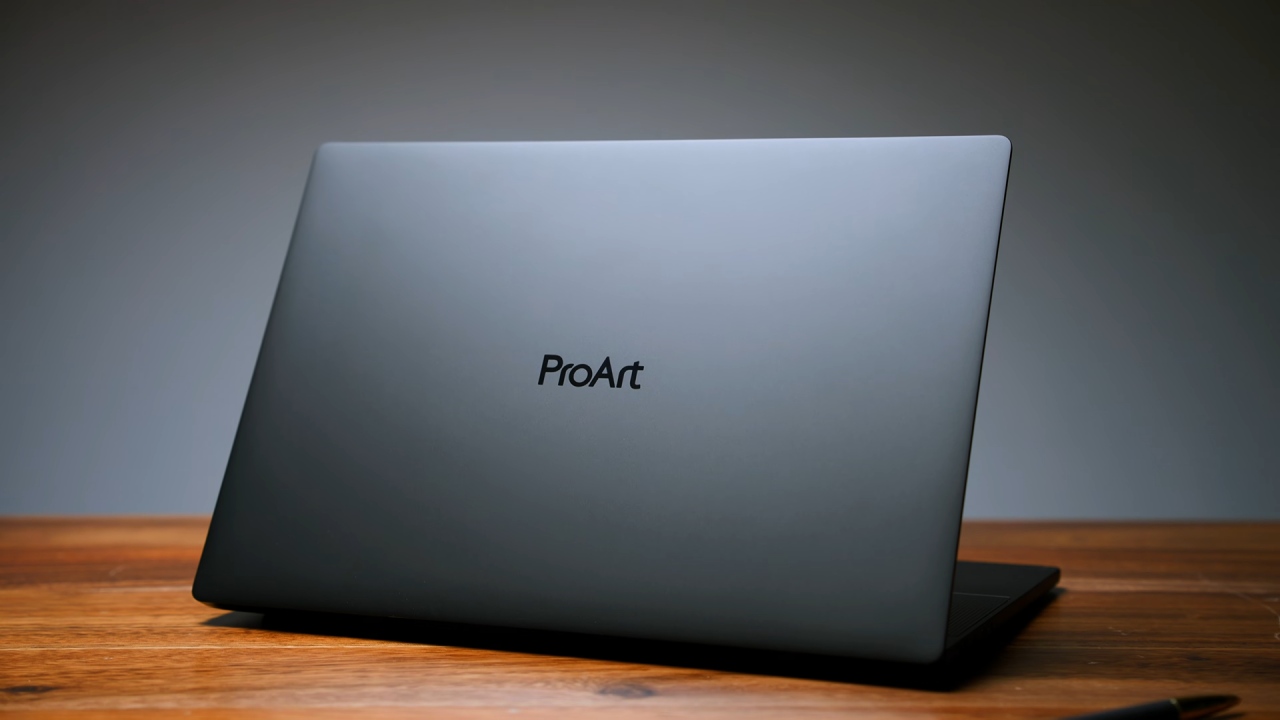
Windows on ARM has advanced significantly since the first Snapdragon laptops made the platform available to more people. With NVIDIA backing the ecosystem, application compatibility may develop faster, benefiting both new RTX laptops and existing Snapdragon devices.
Large AI Models Reveal the Hardware Differences
AI performance depends on two key workloads: processing prompts and generating tokens. Prompt processing is how quickly a model reads questions, documents, or codebases, while token generation is how quickly it delivers responses. Memory capacity also determines which models can run locally.
In Llama.cpp tests, the 9-billion-parameter model achieved 3,351 tokens per second during prompt processing on the Asus G14, compared with 2,678 on the ProArt and 2,353 on the MacBook Pro. During generation, however, the Mac reached 86 tokens per second, while the G14 managed 83 and the ProArt delivered 47.
Larger models changed the results. With a 27-billion-parameter model, the Mac generated responses 66% faster, but the ProArt and OmniBook processed long prompts 28% faster. When testing a 50-page document, the ProArt began responding in 45 seconds, compared with 68 seconds on the Mac.
The 120-billion-parameter model highlighted NVIDIA's memory advantage. Only the 128GB configurations could accommodate it, although the Mac generated tokens faster at 96tokens per second versus 64. For a 50-page document, however, the ProArt completed processing in 42 seconds, beating the Mac's 52 seconds.
NVIDIA's Software Advantage Extends to Image Generation
Image generation provides another area where RTX Spark laptops perform well. In Stable Diffusion XL, the G14 generated an image in 20 seconds, compared with 30 seconds on the ProArt and 42 seconds on the Mac.
Flux produced similar results, with the ProArt completing a generation task in 24 seconds against 53 seconds on the Mac. NVIDIA's NVFP4 format reduced the ProArt's time to approximately 14.5 seconds. Speech-to-text produced the opposite outcome. Transcribing a 47-minute recording took 43 seconds on the Mac, while the G14 required 80 seconds and the ProArt and OmniBook took approximately 95 seconds.
Gaming and Creative Performance Remain Competitive but Limited
Outside AI, Apple's MacBook Pro maintains a strong advantage in creative applications. In Premiere Pro and DaVinci Resolve, it scored approximately 1.7–2 times higher than the ProArt and OmniBook. The G14 also outperformed the ProArt in video editing.
The ProArt and OmniBook scored over 3,000 points on 3DMark Steel Nomad, making them roughly comparable to laptop RTX 5070s. The MacBook Pro, in contrast, scored 4,330 points, and the RTX 5070 Ti on the G14 held its own.
Another factor to consider is game compatibility. Cyberpunk 2077, optimized for ARM, was running at 57fps on the ProArt at 2560×1600 with high settings and no upscaling. Enabling DLSS increased performance to 72fps. Marvel Rivals also ran reasonably well, but Valorant remained incompatible because its anti-cheat system did not yet support Windows on ARM.
Battery Life and Memory Configurations Matter
Battery life remains a major weakness compared with Apple. The MacBook Pro lasted 27 hours and 39 minutes, while the ProArt and OmniBook achieved approximately 13 hours. The G14 lasted 6 hours and 21 minutes. The RTX laptops retained their speed under sustained AI tasks. However, the ProArt drew 145W at the wall, compared with 92W for the Mac, underscoring Apple's efficiency edge.
For typical workloads, the difference between 64GB and 128GB is small, with benchmark results within about 3%. The larger configuration matters mainly when running models like the 120-billion-parameter model, which requires substantial memory.
Premium Pricing Limits the Audience
The HP OmniBook Ultra 16 costs $6,229 in its fully configured version, while a 128GB MacBook Pro can cost approximately $6,700–$7,000. Both target premium buyers, but they have different strengths.
RTX Spark laptops bundle local AI hardware with OLED screens, aluminum chassis, haptic touchpads, and loads of ports. But gamers will get more performance from cheaper dedicated-GPU laptops, while video editors might get more out of Apple's hardware.
For those who often run huge AI models locally, NVIDIA's latest laptops offer a really impressive alternative. The MacBook Pro remains the more well-rounded option for everyone else, but the future of Windows on ARM looks brighter than ever.
Senior Editor, NoobFeed
Gaming Hardware Updates
No Data.