
Intel Nova Lake Unifies Core Ultra 4000 Naming Across Desktop and Laptops
Intel’s reported Core Ultra 4000 naming strategy could finally unify Nova Lake desktop and laptop processors under one recognizable generation.
Hardware by Tanvir Kabbo on Oct 18, 2026
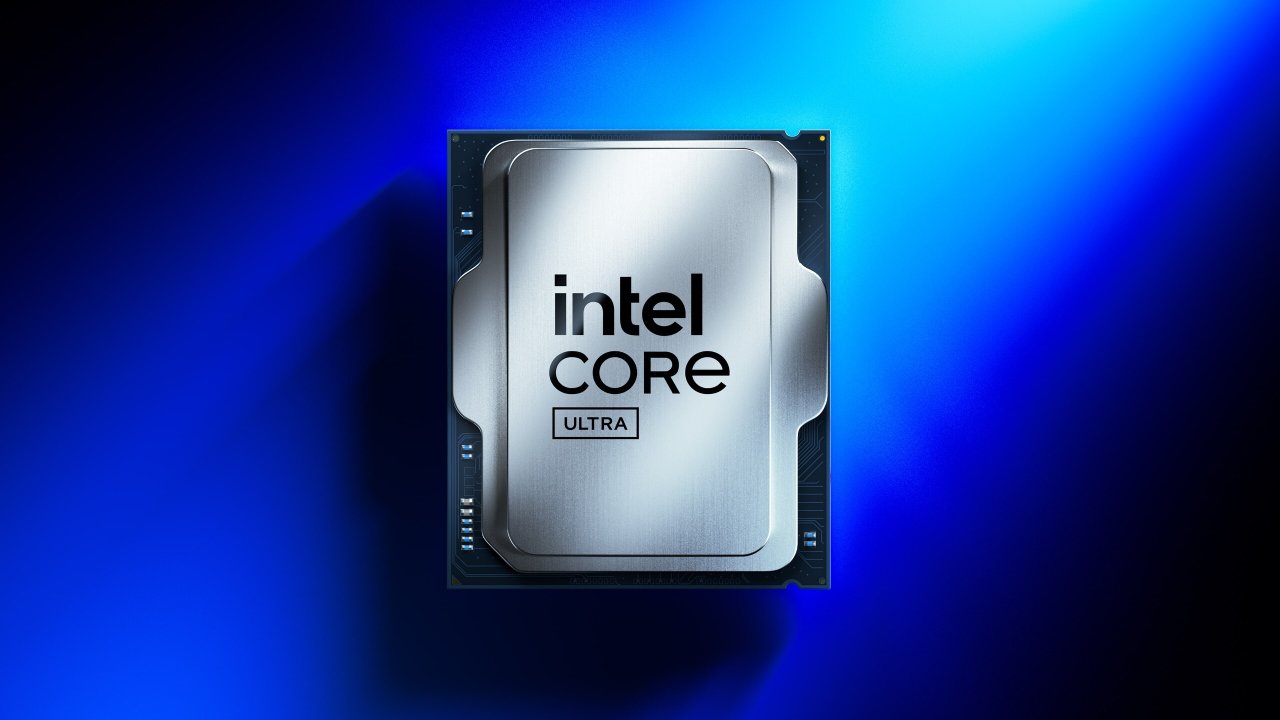
Intel's next-gen CPUs may mark a major shift in how the company markets its upcoming Nova Lake processor family to consumers. A recent Wccftech leak suggests Intel is ditching the anticipated separation between four-digit desktop processor names and three-digit mainstream mobile branding. Rather, the Core Ultra 4000 naming scheme is intended to apply across the whole Nova Lake family, from desktop processors to low-power laptop chips.
This would be a welcome respite from Intel's increasingly convoluted chip naming scheme for PC builders and laptop customers. While performance, power consumption, and platform capabilities will still distinguish individual products, a consistent, generation-wide naming scheme should make it easier to identify which processors belong to the same architectural family.
More importantly, it could reduce the impression that mainstream laptop processors are inherently a generation behind their desktop counterparts simply because they carry different numbering conventions.
Intel Core Ultra 4000 Branding Could Cover the Entire Nova Lake Stack
The latest update comes from prominent hardware leaker jaykihn0, who has reportedly retracted an earlier claim that Intel's mainstream mobile processors would retain three-digit model numbers under the Core Ultra 400 branding. The revised information indicates that the four-digit naming convention will extend across the complete Nova Lake processor family.
That distinction matters because Intel's branding had appeared poised to create another divide between its desktop and mobile products. Under the previously expected arrangement, mainstream laptop processors would have carried shorter model numbers, while other Nova Lake products would have adopted the Core Ultra 4000 designation.
The reported reversal suggests Intel may be reconsidering how consumers interpret those differences. While the naming details are still based on a leak rather than an official announcement, using one norm throughout the range would give the next generation a more unified identity.
Five Nova Lake Families, One Processor Generation
The rebranding is said to cover five separate Nova Lake product families, each catering to a certain computing requirement. Nova Lake-S will target desktop PCs, where power delivery, cooling capacity, and sustained performance remain key concerns. With the Core Ultra 4000 designation, desktop CPUs would share the same generation as their mobile equivalents.
Nova Lake-HX will target enthusiast laptops and high-performance mobile workstations, where makers tend to prioritize processing power over battery efficiency. Meanwhile, Nova Lake-H will target mainstream performance laptops with a new balance of power consumption, performance, and system architecture.
Below that in the stack, Nova Lake-U will target thin-and-light laptops that prioritize portability and battery longevity. Nova Lake-UL will focus on the low-power market where efficient operation and small device designs are very critical.
In the report, all five families would share the Core Ultra 4000 naming convention but keep their individual architectural suffixes. This would maintain significant distinctions between product groups without requiring purchasers to learn a whole new numbering system for each sector.
Intel Could Finally Make Processor Generations Easier to Follow
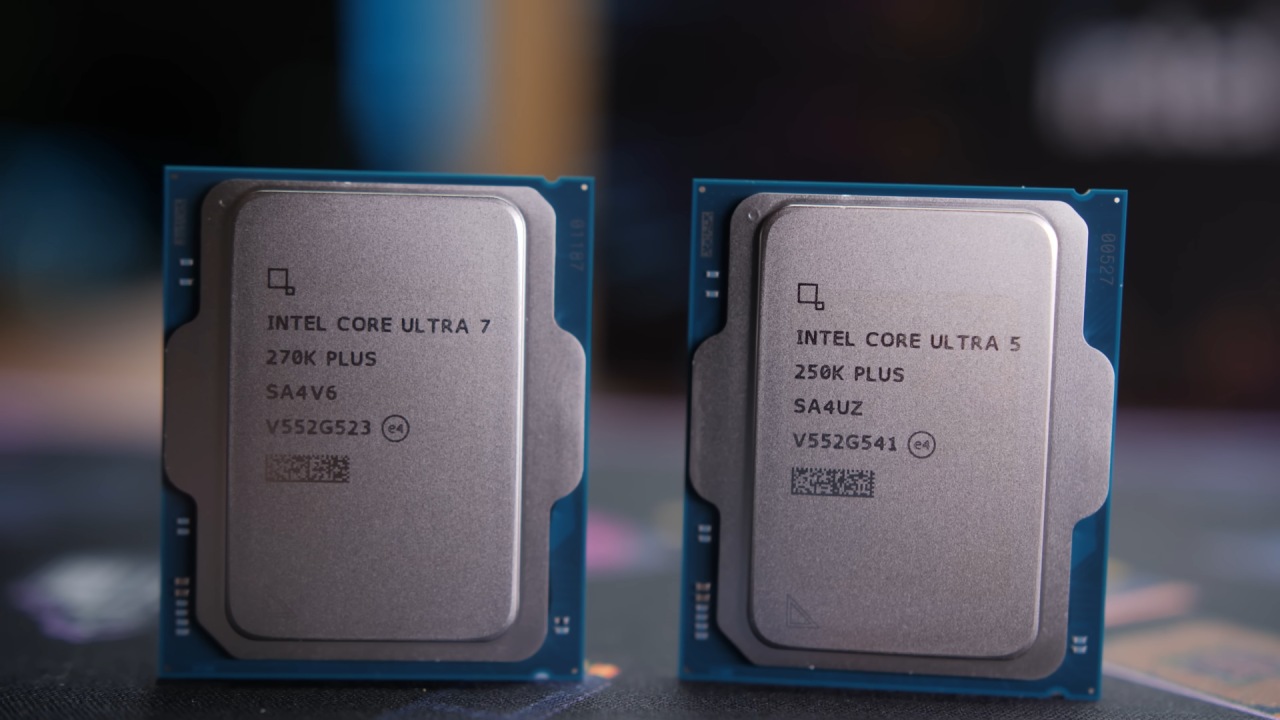
Intel's latest naming tactics have often made it difficult to compare otherwise related products. The difference between the Core Ultra 200V mobile chips and the Core Ultra 200S desktop chips illustrates this. Both fall under Intel's broader Core Ultra branding, but their suffixes, platform features, and positioning can make it hard for less seasoned customers to compare generations.
Not just the geeks arguing about specs. A shopper looking for a laptop could see a four-digit processor advertised next to a three-digit alternative and reasonably conclude the former is newer or more capable. In reality, model numbers alone can't tell you which processor is faster, more efficient, or better suited to a particular workload.
Adopting Core Ultra 4000 across Nova Lake could help eliminate that unnecessary ambiguity. Buyers would have a more consistent starting point for identifying the processor generation, while the S, HX, H, U, and UL suffixes would communicate the intended market segment.
A Marketing Decision That Could Protect Mainstream Laptop CPUs
There is also a commercial advantage to removing the proposed Core Ultra 400 tier. Three-digit branding could unintentionally position mainstream mobile processors as lesser products, even when their design priorities differ from those of enthusiast or desktop chips.
That perception can affect buying decisions before buyers even look at benchmarks, battery-life numbers, or platform features. Instead, Intel can present Nova Lake as one generation with varying performance and efficiency aims, rather than a seemingly unrelated set of devices, using a single four-digit identifier.
However, consistent branding should not be mistaken for identical hardware. Desktop, enthusiast laptop, and low-power mobile processors will still face different thermal and electrical constraints. The shared number would communicate generational membership, not equivalent performance. Intel would still need clear specifications and independent testing to demonstrate the value of each tier.
Senior Editor, NoobFeed
Gaming Hardware Updates
No Data.