
Intel Razor Lake-AX Confirmed for 2028 With 700 TOPS AI Performance
Intel Razor Lake-AX Targets a Major AI Performance Leap as Robotics Computing Becomes Increasingly Demanding Across Autonomous Systems.
Hardware by Tanvir Kabbo on Oct 18, 2026
Intel's next major push into high-performance computing is taking shape beyond conventional PCs. After months of speculation, the company has reportedly confirmed Razor Lake-AX, a Halo-class processor scheduled to arrive in 2028 and designed to power autonomous mobile robots and next-generation humanoid systems.
The confirmation, attributed to Intel executive Cho Min-sung during a robotics conference in South Korea, puts a name and a release window on a project that could reshape how Intel approaches AI computing. According to reports from The Elec, the headline figure is a projected 700 TOPS of AI performance.
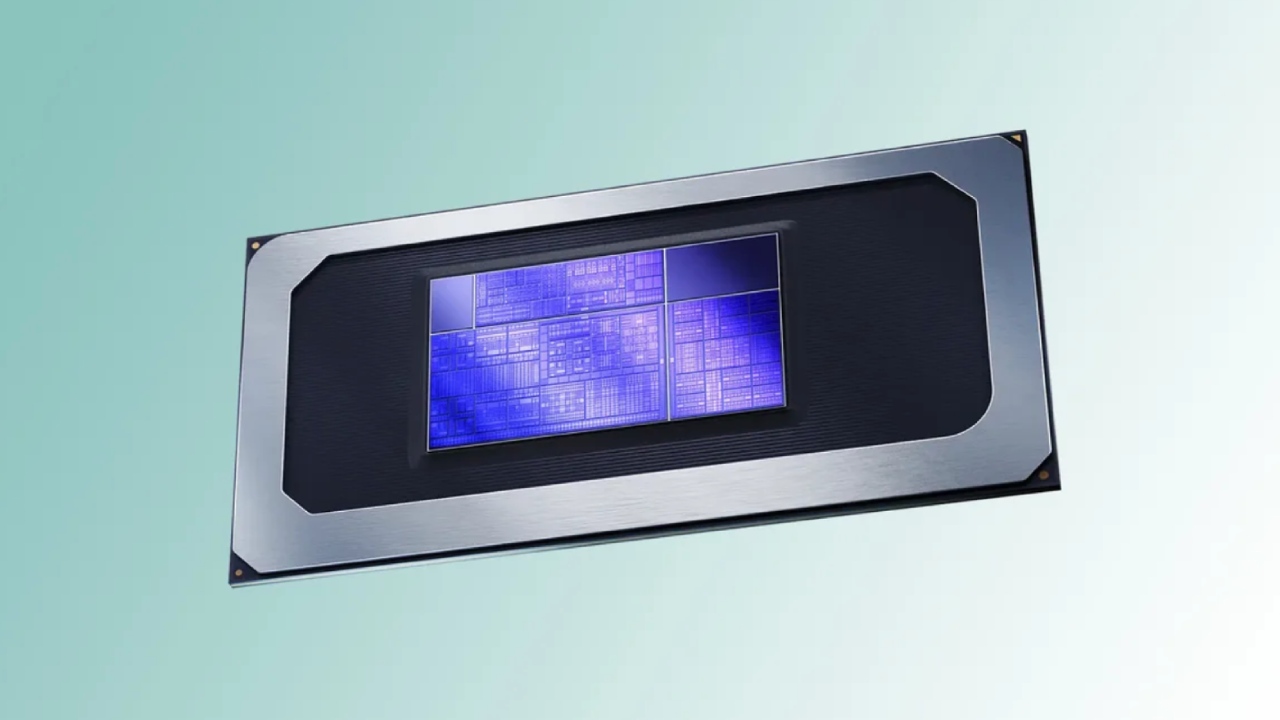
That would put Razor Lake-AX in a different performance class than Intel's current robotics-focused offerings, while potentially combining technologies associated with high-end integrated graphics, advanced packaging, and dedicated AI acceleration. For hardware enthusiasts, the more interesting question is whether Intel can translate its PC processor expertise into a platform built for machines that must perceive, reason, and react in real time.
Intel's 2028 Roadmap Moves Beyond Traditional PCs
Unlike a conventional laptop processor designed primarily around operating-system workloads, Razor Lake-AX is being positioned as a system-on-chip (SoC) for autonomous machines. Humanoid robots and autonomous mobile platforms need to process information from cameras, depth sensors, microphones, and other inputs while coordinating movement and responding to their surroundings. Much of that work must happen locally, without waiting for a remote server to return an answer.
This creates a particularly challenging tradeoff between computing density, memory bandwidth, power consumption, and delay. A robot in a warehouse or working around people cannot depend on a constant cloud connection for every decision. Local processing lets perception and control systems respond faster, reduces dependence on the network, and can improve privacy.
Razor Lake-AX could therefore represent more than another entry in Intel's processor roadmap. It signals an effort to package substantial AI and graphics capabilities into a platform designed around the practical requirements of physical machines.
700 TOPS Leap Could Transform Edge AI Performance
Nearly Four Times Panther Lake's Combined AI Compute
The projected 700 TOPS figure is the most striking part of the reported specifications. Intel's Panther Lake robotics reference platform offers up to 180 TOPS of combined AI performance, according to the reports. On that basis, Razor Lake-AX would deliver approximately 3.89 times the stated performance, assuming both figures use comparable measurement methods.
That distinction matters because TOPS is not a universal measure of real-world AI speed. Results depend on accuracy, supported procedures, hardware utilization, and whether the total includes multiple processing engines. A 700 TOPS target would be impressive, but independent benchmarks and details about the underlying accelerators will be needed to determine how much faster the platform performs in actual robotics workloads.
Nevertheless, the scale of the target reflects the growing computational demands of autonomous systems. Humanoid robots may need to identify objects, interpret spatial relationships, understand spoken instructions, plan movements, and run several AI models simultaneously. More local compute could let these workloads run together with less dependence on external infrastructure.
The challenge will be sustaining that performance within a compact robotic system's thermal and power limits. Peak throughput matters little if the processor can't sustain it under continuous workloads.
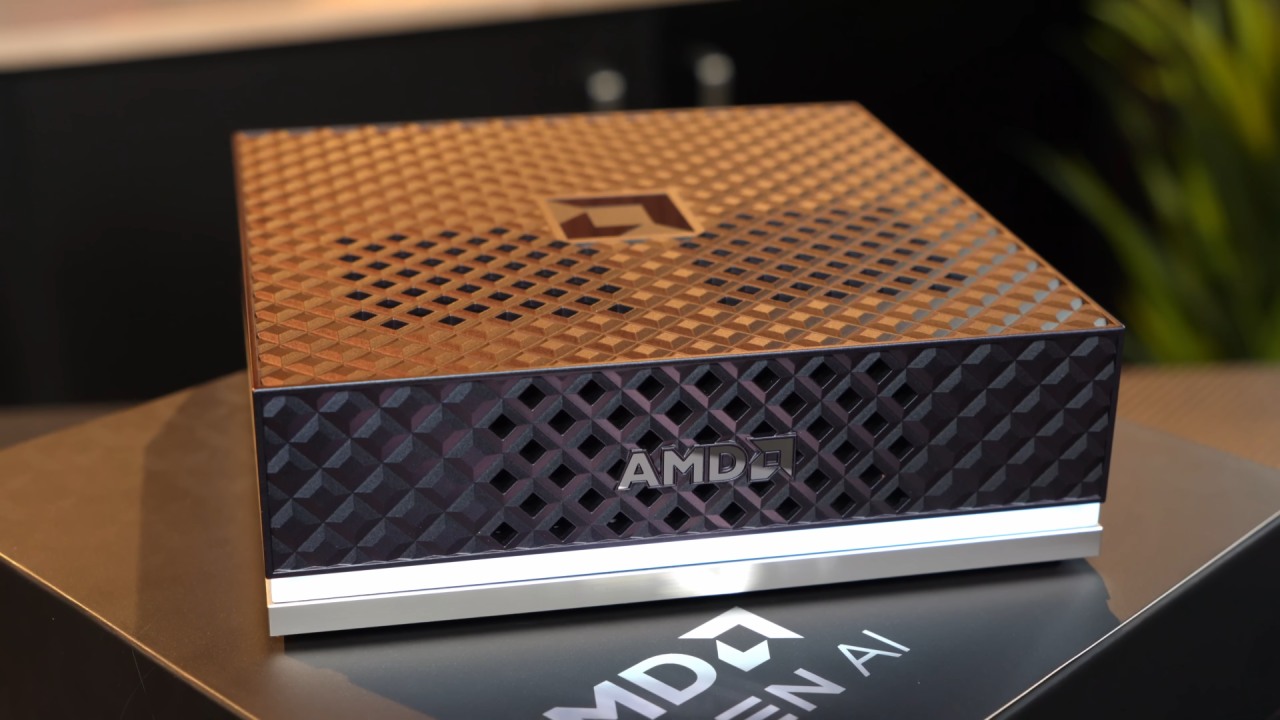
The Halo APU War Expands Into Robotics
Rumored 32 Xe3 Graphics Cores Raise the Stakes
Razor Lake-AX is rumored to feature up to 32 Xe3 graphics cores, though Intel has not publicly confirmed that configuration. If accurate, this design would add a substantial graphics and parallel-compute component alongside its AI capabilities.
That possibility places the processor in the same broader conversation as AMD's high-performance Halo-class APUs. AMD's Strix Halo family demonstrates how a powerful integrated graphics architecture and a large memory subsystem can serve workloads traditionally associated with discrete GPUs. Its reported successor, Medusa Halo, points toward continued competition over compute density and integrated performance.
Razor Lake-AX would approach that contest from a different direction: robotics rather than gaming-first laptops. Still, the underlying engineering priorities overlap. High-throughput graphics, rapid data transmission, large memory bandwidth, and sophisticated packaging can all help both demanding PC workloads and edge AI systems.
Intel's appeal depends less on how many graphics cores it has and more on how well it puts these pieces together. A robotics-oriented SoC should also provide predictable latency, sensor processing, software frameworks, and reliable operation under sustained loads.
Senior Editor, NoobFeed
Gaming Hardware Updates
No Data.