
Intel Panther Lake 4-Xe3 Chip Targets Budget Gaming Handhelds
Intel’s smaller Panther Lake SoC could bring efficient Xe3 graphics and stronger gaming performance to affordable handheld devices.
Hardware by Masaru Hoshino on Aug 17, 2026
The PC gaming handheld market is entering a more competitive phase, with manufacturers increasingly looking beyond flagship silicon to bring stronger performance into cheaper, more accessible devices. Intel appears ready to capitalize on that shift with a two-tier strategy for its handheld ambitions, pairing premium Arc G3-class solutions with a much smaller Panther Lake configuration aimed at cost-conscious buyers.
According to leaked information, Intel's Panther Lake family includes a particularly trimmed-down design built around four Performance cores, no conventional Efficient cores, four Low-Power Efficient cores, and 4 Xe3 GPU cores.
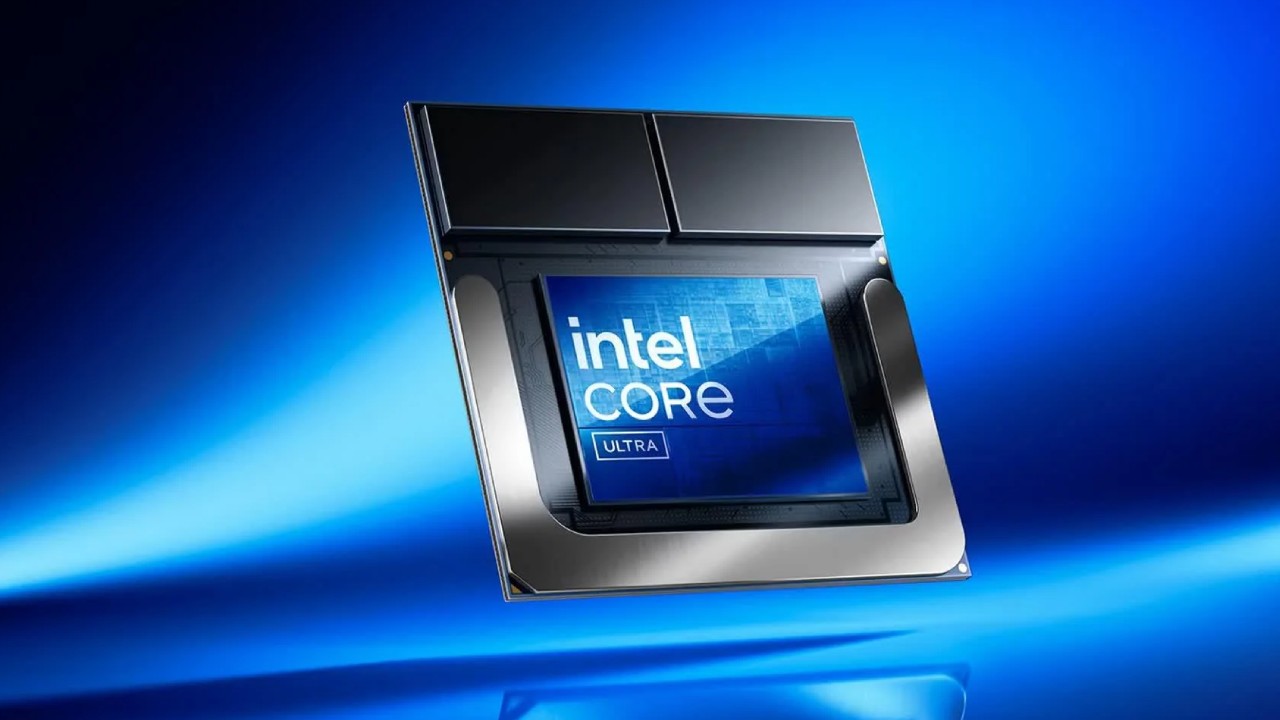
The configuration is not designed to compete directly with Intel's largest graphics implementations. Instead, its appeal lies in packing sufficient CPU and GPU power into a significantly smaller, potentially cheaper platform.
That distinction could become important as premium handhelds increasingly push toward four-figure pricing. Intel does not necessarily need to beat every high-end AMD APU to gain ground. It may have a bigger opportunity by making its silicon attractive to OEMs building affordable handhelds.
The 4+0+4+4 Breakdown
The leaked configuration is unusual by modern hybrid-CPU standards. The reported design combines 4 P-cores + 0 E-cores + 4 LP-E cores + 4 Xe3 GPU cores, creating an eight-core CPU arrangement without the conventional E-core cluster found in larger Panther Lake variants. Earlier leaks have also associated the configuration with a low-power Panther Lake design.
Removing the standard E-cores may initially look like a major compromise. Still, a handheld is a very different target from a desktop or high-performance laptop. The device has a limited battery, restricted cooling capacity, and a much tighter power envelope. Every part of the silicon that can be eliminated without significantly affecting the intended workload can potentially reduce die complexity and platform costs.
The four P-cores provide the high-performance CPU resources needed for games, Windows tasks, and background applications. At the same time, the four LP-E cores can handle lighter workloads with a stronger emphasis on efficiency. That division could be particularly useful in a handheld, where sustained battery life matters almost as much as peak performance.
The other major reduction is on the graphics side. 4 Xe3 GPU cores represent only a fraction of the 12-Xe3 configuration associated with higher-end Panther Lake designs. Intel's leaked Panther Lake lineup has previously been reported with both four- and 12-core Xe3 graphics configurations.
For a handheld, however, fewer graphics cores are not automatically a bad decision. A smaller GPU can pair with a lower-resolution display and sensible performance targets, letting an OEM prioritize playable frame rates over chasing desktop-class rendering performance.
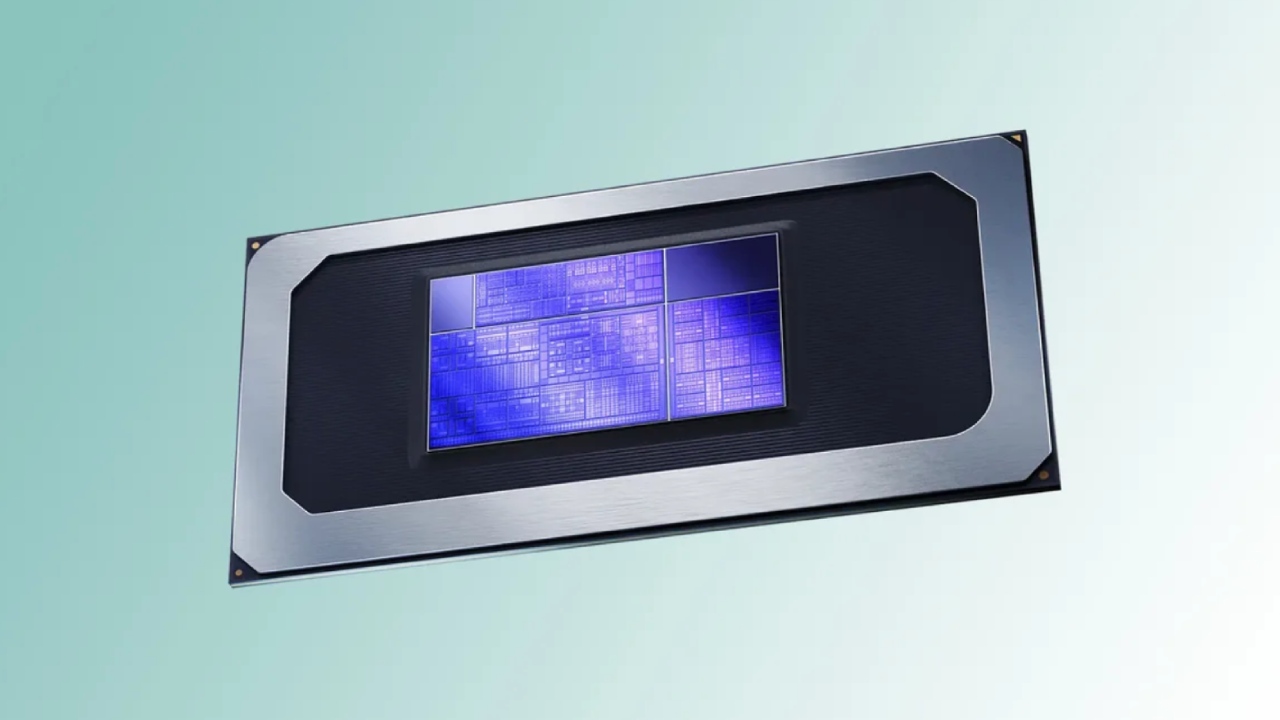
Why Intel Needs a Smaller Panther Lake
Intel's premium handheld strategy has already demonstrated that its integrated Arc graphics can be packaged into powerful portable systems. The problem is that premium silicon alone does not address the entire market.
A handheld costing well above $1,000 competes for a fundamentally different audience than a device priced much lower. The expensive machine can justify stronger cooling, faster memory, larger displays, and more powerful graphics. Still, those additions also push the final retail price upward.
The reported 4+0+4+4 Panther Lake design gives Intel a potential workaround. Instead of forcing every OEM to build around the largest available configuration, Intel could offer a silicon platform specifically optimized for lower-cost systems.
That matters because OEMs need predictable components at the right price more than they need maximum specifications. A smaller compute tile and four-core Xe3 graphics configuration could give manufacturers considerably more freedom when designing inexpensive handhelds.
Targeting the Sub-$800 Market
The most interesting part of this strategy, then, is not necessarily the chip's raw performance. It is the potential price positioning. Today's premium handheld market increasingly includes devices priced at or above $1,000. That leaves considerable space below the flagship tier for machines that deliver better performance than older entry-level hardware without attempting to become portable gaming workstations.
A sub-$800 target would put Intel-powered handhelds into a much more interesting part of the market. An even lower retail price could be possible if manufacturers combine the smaller SoC with modest storage, an affordable display and a relatively simple cooling system. The key is that Intel would not need to make the four-Xe3 chip exceptionally powerful. It would need to make it sufficiently capable while keeping the platform inexpensive and efficient.
That is a fundamentally different objective from that of a flagship handheld.
Intel's Real Fight Is Not Only at the Top
AMD's Ryzen Z1 family established a strong presence in mainstream gaming handhelds by adapting Ryzen mobile technology to a compact gaming-focused platform. More powerful AMD designs, including Strix Point and especially Strix Halo, demonstrate how far integrated graphics can scale when manufacturers are willing to spend more on silicon and power. Intel does not necessarily need to defeat those solutions across every performance tier.
Instead, the Panther Lake strategy could allow Intel to attack AMD from both directions. Larger Arc configurations can target premium devices, while the tiny four-Xe3 design can give manufacturers a lower-cost alternative for mainstream handhelds. That is strategically more significant than simply launching another flagship chip.
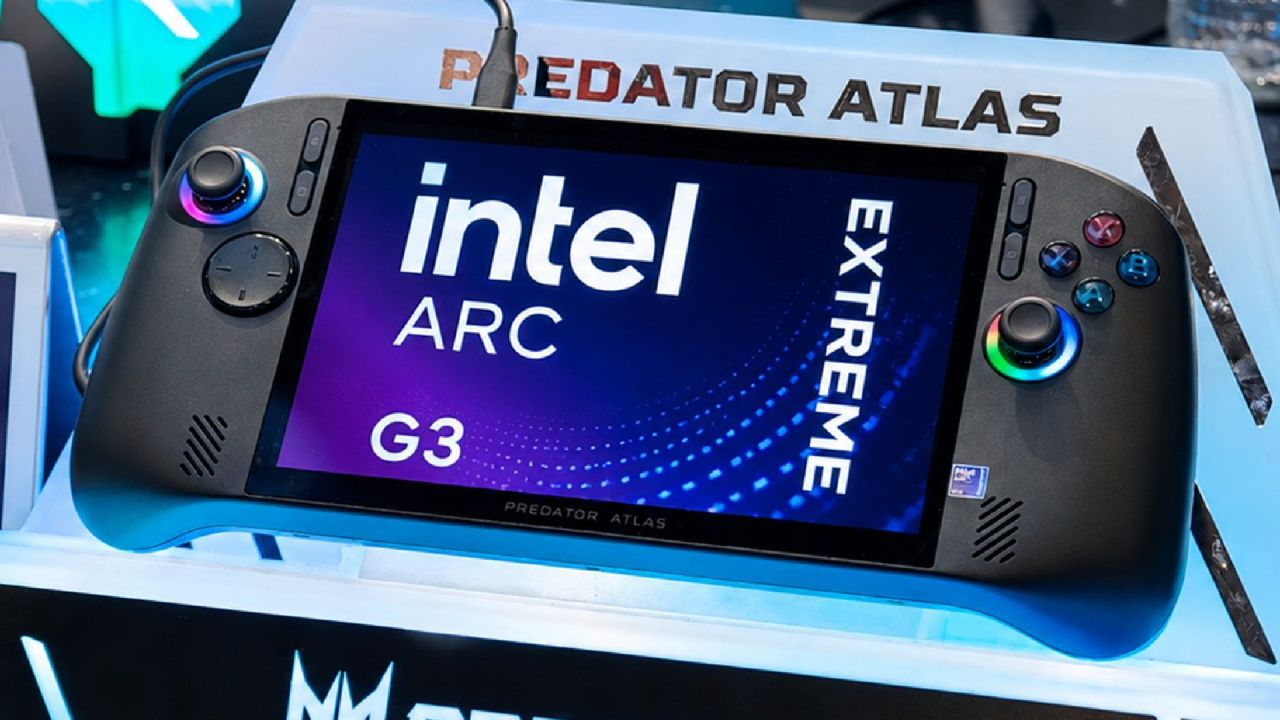
Efficiency Could Matter More Than Core Count
Handheld gaming creates an unusual performance equation. Desktop users can often compensate for inefficient silicon with larger coolers and unlimited wall power. A handheld cannot.
Eliminating conventional E-cores from the reported configuration therefore makes more sense through the lens of platform efficiency than headline specifications. Intel appears to be concentrating the design around the cores that matter most for the target device while using LP-E cores for lower-intensity workloads.
The GPU reduction follows the same philosophy. Four Xe3 cores are unlikely to deliver the graphics performance of a much larger implementation. Still, the smaller graphics block can reduce silicon area and power requirements. The result could be a platform where performance per watt and cost per frame matter more than absolute benchmark numbers.
The Biggest Question Is Software
Hardware alone will not determine whether Intel succeeds in handhelds. Intel's graphics software ecosystem has improved substantially. Still, handheld manufacturers need consistent driver support, stable game compatibility, and predictable performance across a huge library of PC titles. Battery management, sleep behavior, frame pacing, and Windows integration are equally important in a portable gaming machine.
A cheap SoC that performs well on paper but requires extensive OEM tuning would not automatically produce a compelling handheld. Intel therefore needs to make the entire platform attractive, not just the processor itself. If the four-Xe3 Panther Lake configuration delivers strong efficiency while maintaining mature driver support, it could be far more interesting than its spec sheet suggests.
Editor, NoobFeed
Gaming Hardware Updates
No Data.