
AMD RDNA 5 Architecture Rumored for Late 2027 Launch
AMD’s RDNA 5 architecture could redefine Radeon’s future with a ground-up redesign targeting the high-end GPU market in late 2027.
Hardware by Tanvir Kabbo on Oct 12, 2026
AMD's next-generation graphics architecture may be further out than enthusiasts would like. Rumors suggest RDNA 5 will arrive in Q3 or Q4 2027, according to recent reports by top leakers. If the timeline holds, AMD will have to rely on its current and upcoming RDNA 4 graphics cards for a long time until NVIDIA starts competing in the high-end graphics card market.
If the speculations about RDNA 5 are true, the wait may be worth it. Instead of another incremental update, AMD is said to be working on a clean-sheet design that will completely change the company's approach to graphics. This is good news for Radeon fans hoping for a true rival to NVIDIA's flagship. The longer the wait, however, the more one wonders whether AMD can maintain momentum with its desktop GPUs until it makes its next big architectural leap.
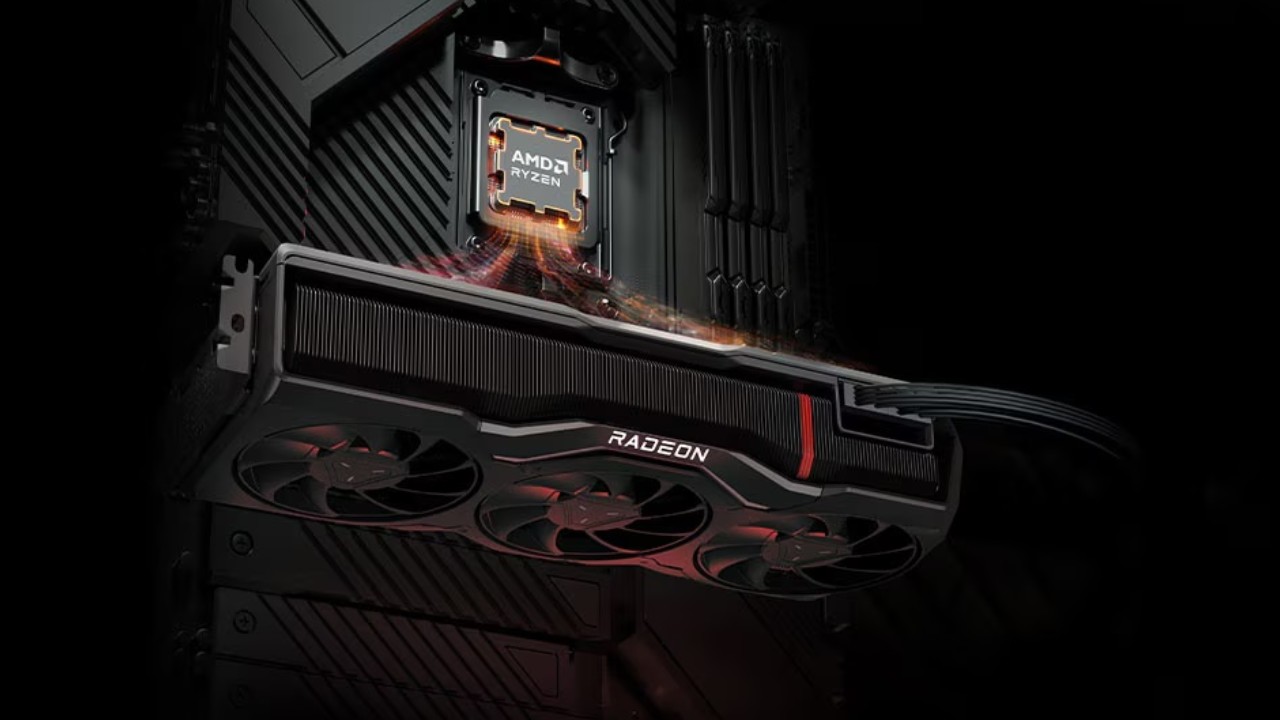
RDNA 5 Could Deliver AMD’s Biggest Graphics Redesign Yet
The most interesting thing about RDNA 5 is the hint that AMD is planning a complete architectural overhaul. Some have likened this to the original Zen CPU architecture, which marked a pivotal moment for AMD and provided a scalable base that has helped the company become more competitive across processor categories. That doesn't mean Radeon will get the same treatment, but it does suggest the reported redesign could be loftier than it sounds.
Today's graphics workloads require more than traditional rasterization performance. Ray tracing and path tracing are taking up more and more of the GPU's resources, and AI upscaling and frame generation have become a key feature of the high-end gaming experience. Architectural efficiency and processing power have become more important, and NVIDIA has invested heavily in these areas.
A successful clean-sheet architecture would have to solve these problems holistically. Advances in processing units, workload scheduling, memory systems, and power efficiency could give AMD a better foundation for future GPUs. But architectural ambition alone won't guarantee success. If AMD wants to go head-to-head with NVIDIA at the top level, RDNA 5's performance must be noticeable in real games, especially in the most intensive ray-tracing workloads.
Enthusiast Vacuum Leaves Radeon Waiting for a Flagship
The Radeon RX 9000 series is the first to be built on the RDNA 4 generation, which targets a more mainstream segment of the graphics market rather than directly competing with NVIDIA's higher-priced flagship GPUs. This approach lets AMD focus on competitive pricing and mainstream gaming performance while leaving a huge opportunity for enthusiasts looking for an uncompromising Radeon alternative.
PC enthusiasts want a GPU with strong rasterization performance and decent ray tracing, path tracing, and AI-assisted rendering. While the exact specifications and positioning of RDNA 5 are still unconfirmed, many expect it to mark AMD's return to the ultra-high-end market. A strong flagship could bring back high-end competition and give enthusiasts a real alternative to NVIDIA's high-end GeForce products.
However, AMD will require more than just a big GPU to make that happen. Price, power usage, software support, and real-world performance will decide whether a new Radeon flagship is a viable competitor or just a high-priced alternative.
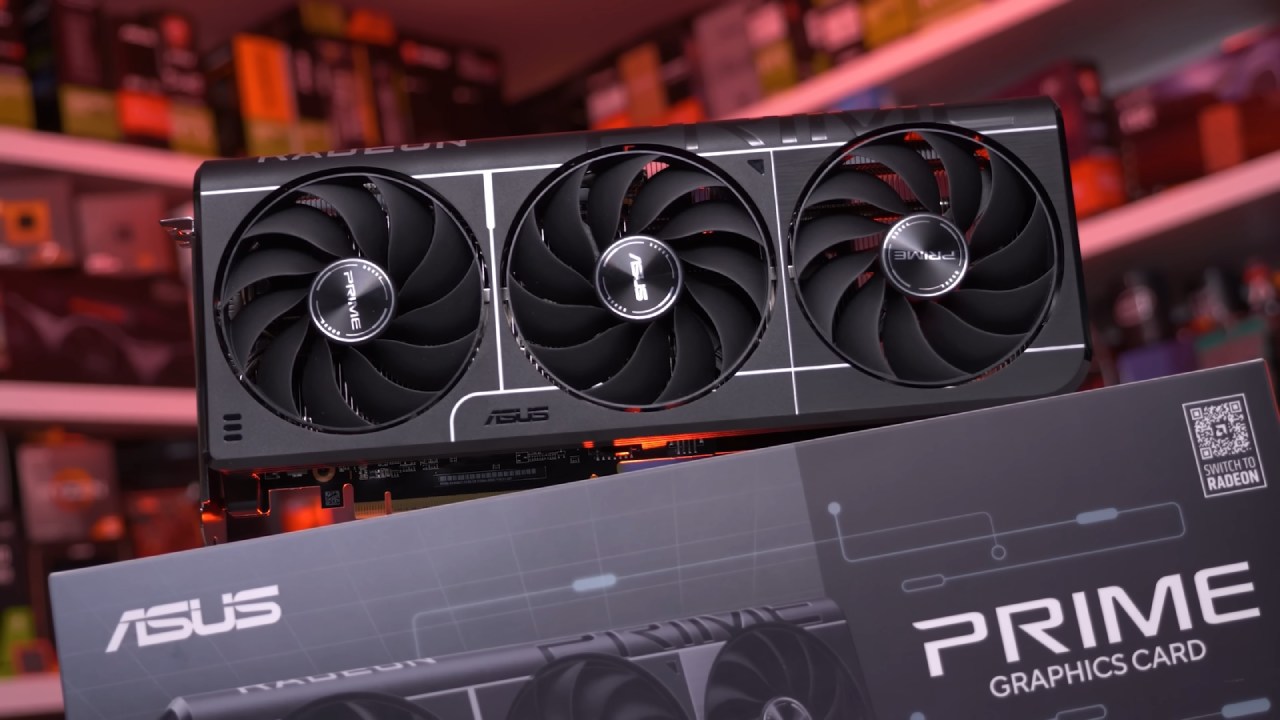
Can AMD Maintain Market Share Until Late 2027?
AMD is still waiting for a new flagship architecture, with a potential launch date set for the end of 2027. Over the next 12-18 months, competitive pricing and steady driver improvements will be vital to keeping Radeon appealing to DIY PC builders.
AMD can still appeal to gamers who value performance per dollar, especially those who are building 1440p gaming systems. Availability, software support, and ongoing development of FidelityFX Super Resolution (FSR) could also keep Radeon products in mind.
However, the competition may get tougher as NVIDIA continues to invest in AI-assisted rendering. Those seeking more advanced ray tracing and path tracing, along with more mature upscaling, may not be willing to wait for AMD's next generation.
Market conditions also add uncertainty. Manufacturing costs, memory prices, and competition for high-end silicon may affect RDNA 5's availability and price. A delayed launch could give AMD more development time, but it could also raise expectations.
Senior Editor, NoobFeed
Gaming Hardware Updates
No Data.