
AMD RX 9000 Series: FSR 4 Limitations and Missed Opportunities
AMD GPU software development continues to lag behind competitors due to delayed feature rollouts, inconsistent support, and unclear long-term strategy.
Hardware by Tanvir Kabbo on Jan 29, 2026
In 2025, Nvidia released the RTX50 series while AMD released the RX9000 series, along with several great CPUs and APUs from AMD. But things have gotten more complicated as we move into 2026. One of the key reasons is that there aren't enough RAM chips right now and AI needs more and more of them.
Hardware has also gotten more and more expensive, so it's really important for companies to come up with exciting new software ideas right now.
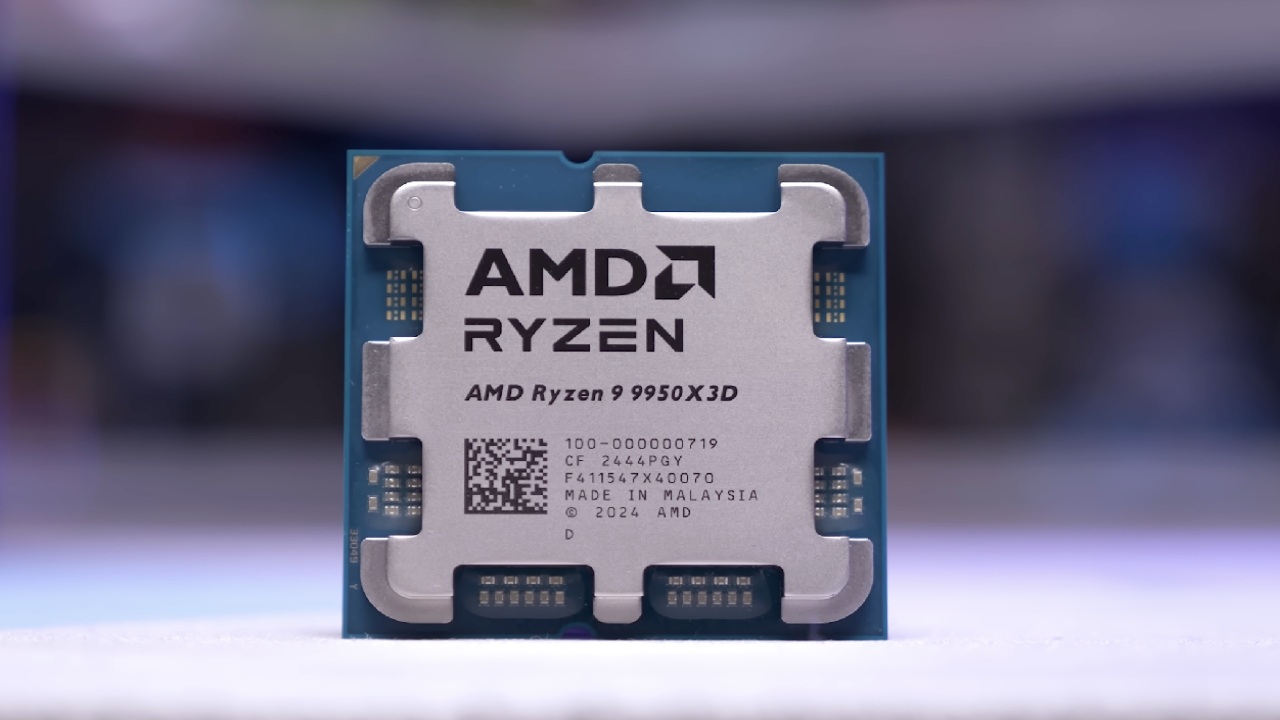
AMD’s Struggles in Software Development
In recent software development, especially in gaming, AMD has often been in the background while Nvidia has been in the foreground. Intel was able to make XeSS and XeSS frame generation with machine learning before AMD was. AMD's performance has generated concerns, even though timing and market strategy are important. After the RX 9000 series came out in early March, things have been moving slowly.
FSR 4 upscaling made a big difference in quality compared to FSR 3.1, but other announcements like FSR Redstone were delayed. Radiance caching and FSR ray regeneration are still limited, even though Nvidia has been making similar technology for years.
FSR 4 Gatekeeping and Hardware Limitations
One of AMD's more questionable choices was to only let newer GPUs use FSR 4. Some older GPUs, including those that can run FSR 4 using Linux emulation or INT8 versions, are still not supported.
Even high-end APUs like the Ryzen AI Max Plus 395, which can beat an RX7600 in many situations, can't legally use FSR 4 unless they employ unapproved techniques. Radiant image sharpening has also been limited to newer cards, which limits what AMD's current technology can do.
Nvidia vs. Other Companies
Nvidia keeps impressing with new features like DLSS 4 super resolution, ray reconstruction, and G-Sync Pulsar. They routinely support older GPUs to keep them popular.
On the other side, AMD has been reluctant to add capabilities like radiance caching and ray regeneration, which has created a gap between what is possible and what is actually happening. Ten months after the availability of the newest GPUs, FSR4 support is still not available for Vulkan games. Players are stuck with FSR3.1.
Lost Opportunities and Community Impact
The community is upset with these choices. AMD offers new features like resizable BAR, frame creation in Adrenaline software, and AI bundles, however follow-ups are typically slow or not consistent. People feel left out, especially when they have to think about Nvidia products because of delays, even if they don't want to or are devoted to a different brand.
People think that AMD is "playing it safe" or putting greed ahead of gamers, which could hurt the competition that the market needs.
.jpg)
Looking Ahead
AMD has teased some exciting new technologies, such Fluid Motion Frames 3 (FMF3) and PSSR2.0 based on FSR4, that could change the way we play games. But because there have been more delays and no communication, it's hard to say when these features will be broadly available.
The community wants AMD to officially enable FSR 4, at least on starter A3 cards, but until that happens, people are still unsure and unhappy.
Final Thoughts
The GPU market needs healthy competition, and AMD has a lot of room to grow. Still, continuous delays, gatekeeping, and sluggish adoption of software features could push consumers to Nvidia, even those who had stayed away from it for years.
AMD's next several years will be very important, and many are looking intently to see if the business can come up with new ideas or keep making its audience angry.
Also, check our other AMD articles below:
- AMD Ryzen 9 9950X3D Review: Setting The Standard For 2025 Gaming CPU
- AMD Ryzen 7 9800X3D Review: 3D V-Cache Goes God Mode with Stunning Gaming Performance
- AMD RX 9070 Performance Review: Thermals, Clocks, and Real-World FPS
- AMD Ryzen 5 7600 Review: Best Budget Gaming CPU of 2025?
- AMD Radeon RX 7800 XT Review: RDNA 3 Power For Midrange Gaming
- Sapphire NITRO+ AMD Radeon RX 9070 XT Review: The Ultimate 4K Gaming GPU
- AMD Ryzen 7 7800X3D: Delivers Gaming Performance Far Beyond Expectations
- AMD Ryzen 9 7900X Review: Powering the AM5 Era with DDR5 & PCIe 5.0
- Intel Core i9‑14900K vs. AMD Ryzen 7 7800X3D: Power Profiles & Gaming Benchmarks
Senior Editor, NoobFeed
Gaming Hardware Updates
No Data.