
CXMT DDR5 Memory Challenges Established DRAM Manufacturers
Chinese memory manufacturers challenge Samsung, SK Hynix, and Micron as AI demand reshapes the global RAM and storage market.
Hardware by Nahe Yan on Oct 12, 2026
The memory industry is changing as demand for artificial intelligence continues to grow and manufacturers expand production. Samsung, SK Hynix, and Micron are facing competition from Chinese memory manufacturers, including CXMT and YMTC, which are developing products for the DRAM and NAND flash markets.
As these companies increase production and compete for customers, some parts of the memory market could shift from shortages to oversupply. However, that doesn't necessarily mean cheaper RAM for consumers, since memory used in computers and storage devices follows different supply-and-demand patterns.
DRAM vs NAND: The Crucial Difference
DRAM is the working memory a computer uses while programs are running. NAND flash stores files and other data that remain available when the power is turned off. Increasing production of one type of memory does not automatically give manufacturers more of the other. CXMT, short for ChangXin Memory Technologies, competes in the DRAM market, while YMTC, short for Yangtze Memory Technologies, competes in NAND flash.
Keeping these two markets separate makes it easier to understand how their developments could affect consumers. The first test of this competition comes from an ordinary product: a memory kit installed in a computer. Factory announcements and future production plans are part of the story, but the hardware must also boot, run, and operate as expected.
Hardware Unboxed tested a KingBank DDR5-6000 memory kit identified in the review as using CXMT chips against established alternatives. In the games and systems tested, the kit delivered competitive performance. This is an important development because it provides evidence beyond a manufacturer's announcement about a future factory.
The results show how memory chips from a less familiar supplier perform in a real system. The brand printed on a memory module does not necessarily identify the company that manufactured the DRAM underneath its heat spreader. Consumers may recognize the name on the packaging without knowing who produced the components inside.
Chinese DDR5 Memory Faces Independent Testing
Getting a memory kit into a reviewer's system is an important step, but producing enough reliable chips to change an industry is a much bigger challenge. A memory manufacturer needs to produce the chips, maintain sufficient output, and convince other companies to build products around them.
Hardware Unboxed tested the KingBank kit with two AMD processors, including an X3D model and a conventional Ryzen model. This distinction matters because an X3D processor's extra cache can reduce a game's dependence on system memory. Testing the kit with different processors provides more information than relying on a single configuration.
In the games shown, the memory was competitive with the established alternatives. This doesn't make every memory spec irrelevant, but it shows that using an unfamiliar supplier doesn't automatically mean poor gaming performance. The hardware was evaluated on its ability to perform a task, not just whether it could power on.
.jpg)
The motherboard side of the market is another development worth watching.
In July, MSI announced support work for CXMT-based DDR5 memory on its Intel platform, including high-speed configurations. This work helps turn a memory chip into a product that customers can install and use. However, it does not mean every memory kit will work with every motherboard. BIOS versions, processors, memory settings, and platform compatibility still matter.
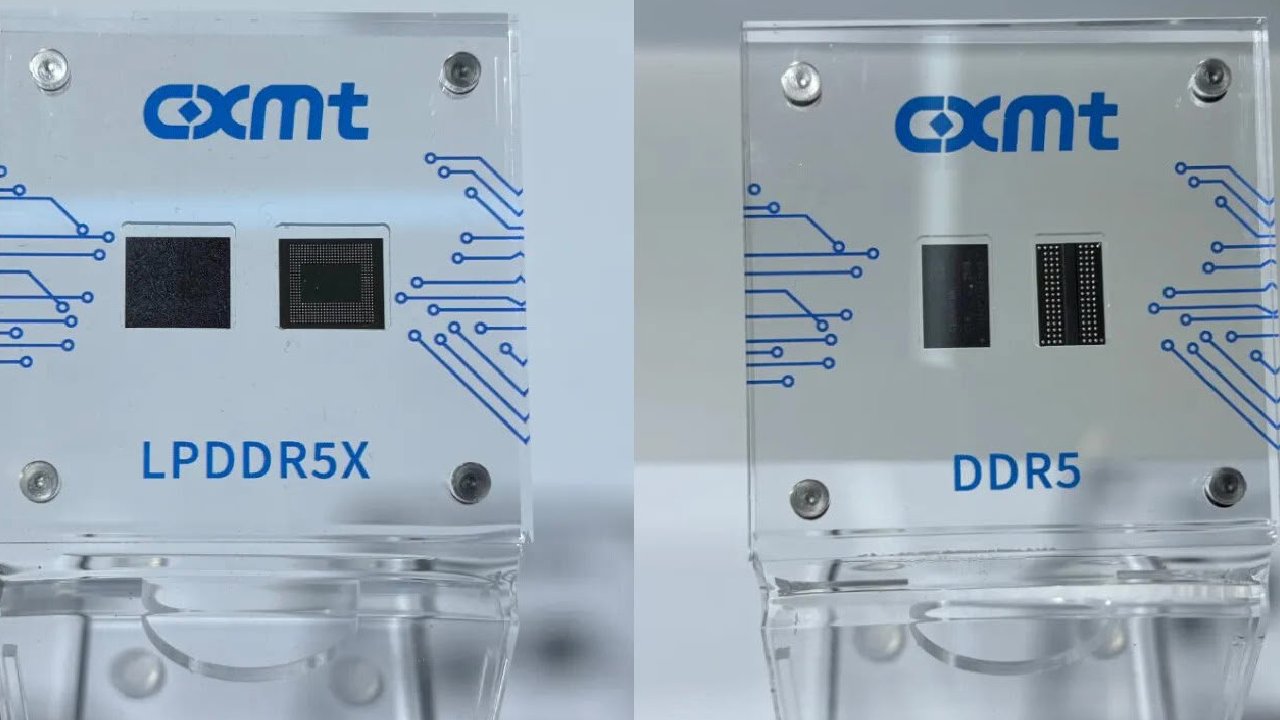
CXMT's September announcement adds another development to the market. The company said its new G5 platform had entered mass production alongside new mobile memory products. The company's claims about memory density and process improvements should be evaluated alongside independent evidence.
Manufacturer announcements can explain what a company intends to produce, but they do not replace verification of shipped products and their performance in real systems. It is also important to distinguish between the different products covered by the announcement. Mobile memory is not the same as a desktop DIMM, and progress in one product family does not automatically establish the performance of another.
Editor, NoobFeed
Gaming Hardware Updates
No Data.