
Microsoft Launches Xbox Labs as Game Decompilation and Browser Gaming Gain Momentum
Asha Sharma has asked a new team of game developers, engineers and scientists to investigate how decompiled games, browser-based gaming and game remixing could change the industry.
News by Mahi Araf on Oct 14, 2026
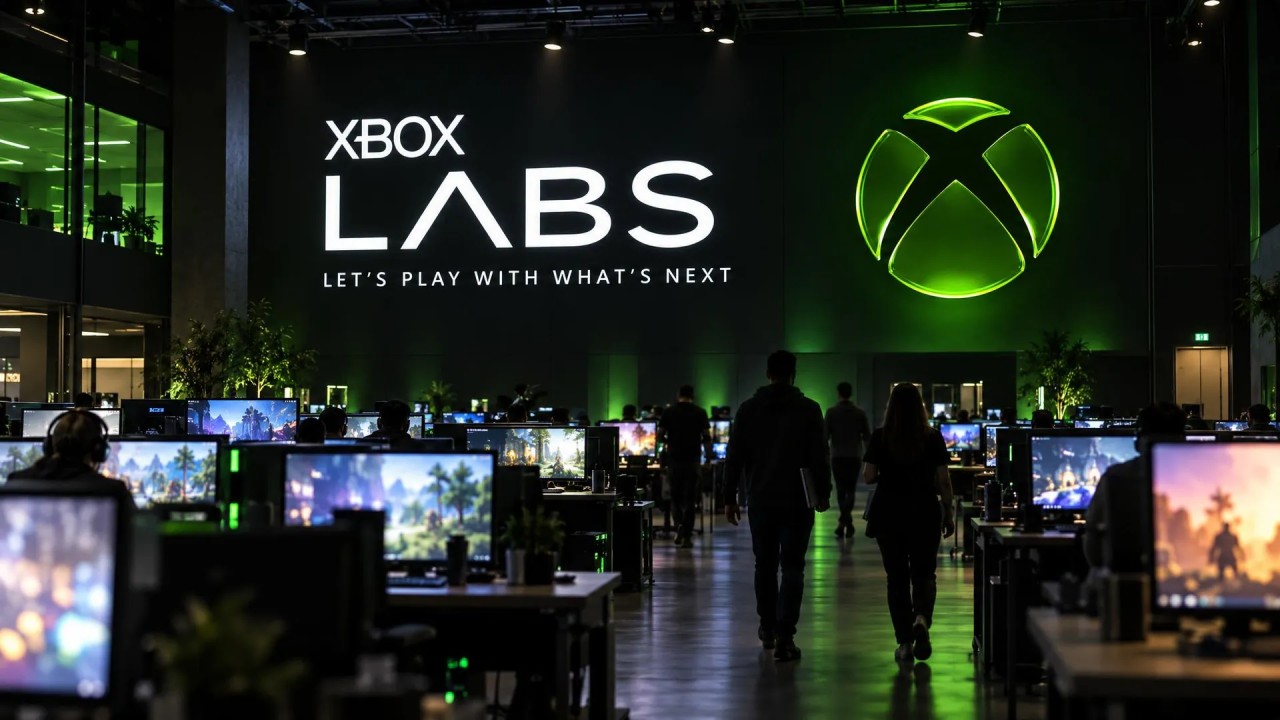
Microsoft is taking notice of growing interest in game decompilation and browser-based gaming, with Xbox CEO Asha Sharma announcing a new initiative, Xbox Labs. The announcement comes as more projects demonstrate how games can run on hardware and platforms they were never originally designed to support, including web browsers.
Over the past few weeks, several experiments have gained online attention, including a project that lets you play Halo in a web browser, with 128 players competing in Blood Gulch. The project is strange, but it also shows how far people will go to push the limits of older games. Microsoft seems to be very interested in exploring these possibilities, and Sharma has now laid out how the company plans to approach them.
In a post on Microsoft's website and on her social media account, Sharma explained that developers have recently decompiled and rebuilt games to run on platforms they were never intended for.
Developers have ported Windows PC games to run on Apple silicon, while others have adapted them to run in web browsers using WebAssembly and WebGPU. The latter technologies are reportedly approaching 90% global browser support.
Even more surprisingly, developers have been remixing some of the world's biggest games by incorporating them into other titles' source code. "They challenge long-held assumptions about the gaming industry, including the relationship between software and hardware, the difference between making games and playing them, and how players find and experience them," Sharma said.
Predicting the future of gaming is hard. Still, Sharma thinks these changes could make games more accessible, breathe new life into older titles, and enable more people to become creators themselves. She views these as positive developments for players, even if they challenge existing business models.
To explore these possibilities, Sharma has asked Scott to form Xbox Labs, a small group of game developers, engineers, and scientists.
The group will turn emerging ideas into experiences players and developers can try themselves. Microsoft also intends to develop these experiments openly, learn from how people use them, and measure success by whether more people are playing and creating games.
The timing of the announcement is particularly interesting given what's happening with the Halo decompilation project. The project has been made to work in a web browser so people can jump in and play online while development continues. Microsoft hasn't taken the project down because it offers direct browser access to the game, rather than forcing players to provide their own disk or ISO image.
Some people at Halo Studios, including PR staff, have even interacted with or shared the project's progress online. That makes Microsoft's reaction interesting to watch, especially compared with how other companies have responded to similar experiments.
For example, Sega had a Fantasy Star project taken down when it hosted the game online.
Players could easily visit the website and experience it. What this means for gaming is something Microsoft seems more interested in figuring out. The company seems willing to let the Halo project continue, at least for now.

Browser-based games may play an even bigger role in that discussion. As web technologies advance, browsers are gaining more capability to support experiences that previously needed dedicated hardware and operating systems. People are now decompiling games and porting them to different architectures, showing how those traditional limitations are starting to change.
Microsoft could eventually explore the browser as another platform for delivering games, rather than treating it solely as a way to access websites and online services. Xbox Labs may help the company investigate how far that approach can go and what developers could achieve by targeting browser-based experiences.
Game remixing is another area worth watching.
Microsoft owns the rights to a massive back catalog of games, so it has plenty of material to play with if it wants to mix and match franchises. It's like importing characters or elements from Banjo-Kazooie into Modern Warfare 2. It sounds strange, but the technology behind these experiments could make creative combinations like that more possible.
Of course, a lot is uncertain about how these ideas would work in practice. Licensing, technical limitations, and Microsoft's existing business models could all affect what eventually becomes possible. But people are already having a blast with these tools, and rising interest suggests a market for easier ways to modify, combine, and experience games.
These developments also have financial implications. It's easy to think these experiments are completely free, but they come with real costs. Developers may need subscriptions to AI services such as Claude or ChatGPT, alongside API fees and usage costs. In other words, people are investing real money in these projects rather than simply experimenting for free.
That investment could help explain why Microsoft is paying attention.
If people are willing to pay for tools that let them decompile, adapt, and remix games, companies may have opportunities to build services around these activities. Xbox Labs currently seems focused on research and development, so it's too early to know whether any of these experiments will become commercial products.
Still, the possibilities extend beyond remixing games. Microsoft might explore new ways to achieve backward compatibility, make older titles playable on modern platforms, or investigate how browser technology could help games reach a wider audience. As the lines between hardware, software, and platforms continue to blur, these ideas could become increasingly relevant.
.jpg)
Right now, Xbox Labs is Microsoft's way of making sense of those changes, rather than pretending they aren't there. The company appears positioned to observe the possibilities of these emerging technologies in the hands of developers and players, with growing attention on game decompilation, browser-based experiences, and AI-assisted experimentation.
Gaming is in a massive transition, and these experiments could be just the tip of the iceberg. By creating Xbox Labs, Microsoft signals that it believes there is enough potential to keep exploring, whether that means discovering new ways to play older games, brand-new ways to make games, or browser-based experiences that could reach many more people.
Senior Editor, NoobFeed
Related News
No Data.