
NVIDIA RTX 5080 24GB Expected in Q1 2027 After Delay
NVIDIA's RTX 5080 24GB Could Address Blackwell's Biggest Memory Limitation When It Finally Arrives in Q1 2027.
Hardware by Tanvir Kabbo on Oct 14, 2026
NVIDIA has been marketing Blackwell as a major performance leap, but fans who have paid for high-end graphics cards have had a sore spot with the GeForce RTX 5080's memory configuration. According to a new report from hardware leaker Kopite7kimi, NVIDIA is getting ready to deliver a 24GB version of the RTX 5080 in Q1 2027. One of the most common complaints about the base card is its 16GB of VRAM, and the redesigned card could fix that.
16GB is fast becoming the minimum amount of VRAM for a high-quality graphics card. Modern AAA games are very demanding on VRAM at 4K, especially with high-definition textures, ray tracing, and graphical settings. Even with plenty of processing power, costly GPUs can run out of memory if releases aren't optimized effectively.
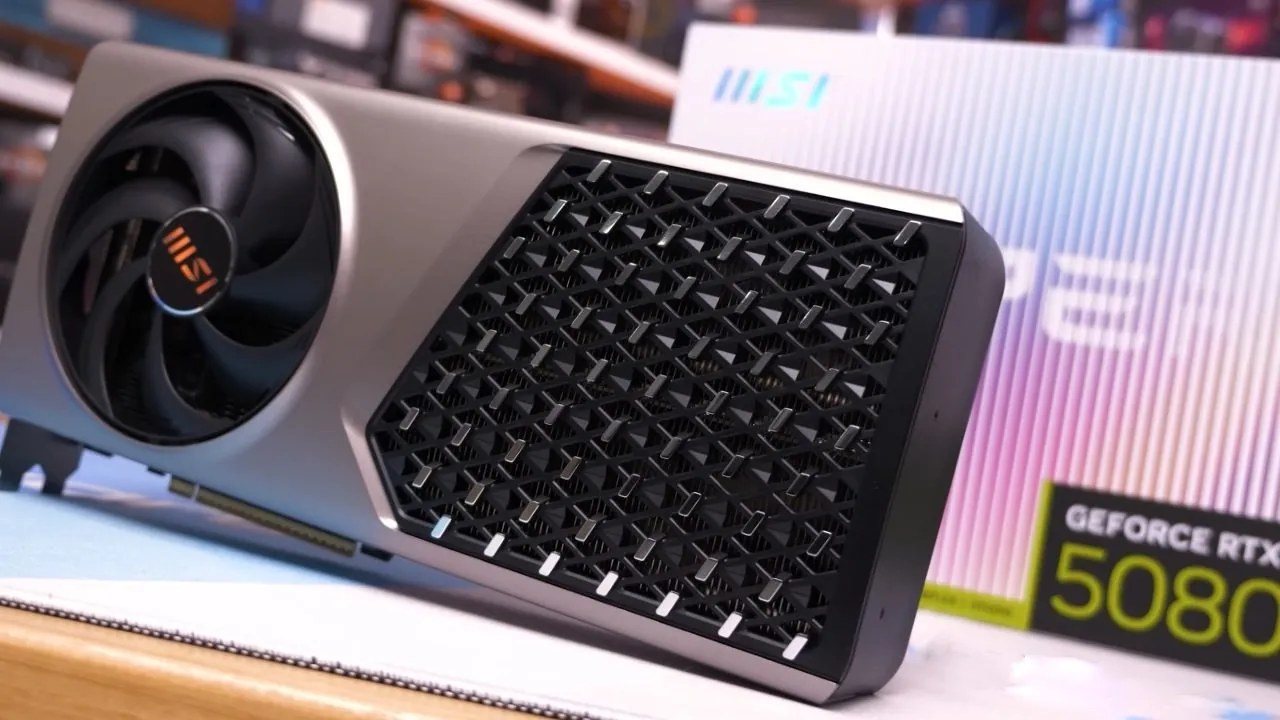
This gets even more complicated for local AI enthusiasts. Conventional gaming requires far less memory than running large language models (LLMs), experimenting with generative AI, or handling demanding creative workloads. A 24GB GDDR7 configuration would give the RTX 5080 more flexibility without pushing buyers straight into the much higher-priced RTX 5090 space.
The 3GB GDDR7 Module Solution Behind the Upgrade
When you look at the RTX 5080's memory architecture, the rumored delay makes sense. The standard model has a 256-bit memory bus, and to reach 24GB without a fundamental redesign, it must use a different memory-density arrangement. The standard configuration is 8 x 2GB memory for a total of 16GB. To reach 24GB while keeping the same bus width, it would need eight 3GB GDDR7 memory modules. The math is simple: 8 x 3GB = 24GB.
But adding higher-density memory isn't as straightforward as swapping in different chips. Before NVIDIA can confidently release a new graphics card, it must produce the necessary GDDR7 modules at scale, ensure they meet electrical and performance criteria, and test the platform.
These needs may explain the reported Q1 2027 window. An early launch may be challenging if NVIDIA can't get 3GB GDDR7 chips in the volumes it needs. But the report doesn't confirm that manufacturing limitations are the only cause of the delay. NVIDIA has not officially confirmed the new model, its specs, or its availability.
Q1 2027 Creates an Uncomfortable Waiting Game
A launch in early 2027 would leave premium buyers with the option to purchase the current 16GB RTX 5080 or a potentially more capable version that comes out months later. That creates a problem for those buying a high-end GPU in late 2026: do they buy now with the memory restriction, or wait for a configuration that meets their long-term needs?
There's also a commercial aspect to consider. By rolling out the standard model first and then following up with a larger model later, NVIDIA may be able to target different pricing tiers with different products. Those who require more VRAM may then have to make yet another costly purchase.
But it doesn't mean that NVIDIA is intentionally dragging out the upgrade to maximize revenue. Memory availability, production yields, and product segmentation may affect the timeline. However, the gradual rollout could confuse early adopters who expected the high-end 80-class GPU to have enough RAM to handle heavy workloads right out of the box.
Why 24GB Matters Beyond Gaming
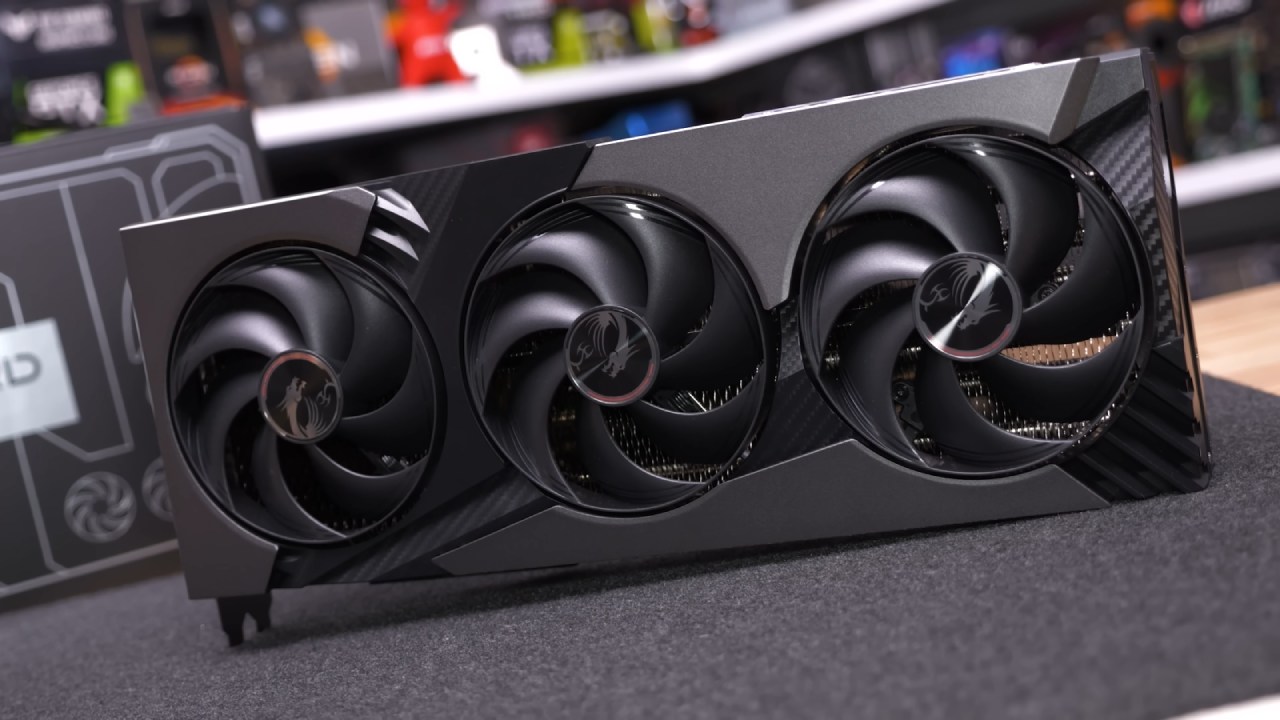
More VRAM doesn’t always mean higher frame rates in 4K gaming. But performance still depends on processing power, memory bandwidth, and software optimization. But if a game doesn't fit in video memory, performance can become inconsistent, and extra memory can help with high-resolution assets and demanding games.
The case for local AI workloads is even more compelling. Memory requirements can be significant for storing weights in larger models, and they can be even higher with longer context and other computational needs. For some models and configurations, an extra 8GB would be enough to make them more usable without jumping straight to an RTX 5090.
While the upgrade won't remove all the restrictions, it could create a helpful middle ground between the standard RTX 5080 and NVIDIA's flagship GPU.
Senior Editor, NoobFeed
Gaming Hardware Updates
No Data.