
Why RTX 5080 Performance Drops Against RX 9070 XT?
RTX 5080 and RTX 5090 performance gaps shrink significantly in CPU-limited 1440p gaming and demanding high-FPS workloads.
Hardware by Nahe Yan on Sep 06, 2026
GPU performance doesn't always scale with price, especially when games run at high frame rates and lower render resolutions. A $1,699 RTX 5080 can lose to a $790 Radeon RX 9070 XT in Call of Duty: Black Ops 7 at 1440p, while the RTX 5090 can sometimes deliver only a small lead over AMD's much cheaper card.
The results show why you need to judge GPU performance across different games, resolutions, settings, and rendering conditions. Most people buying an RTX 5080 or RTX 5090 expect massive performance everywhere. But high-end GPUs don't always scale as you expect when render resolution drops.
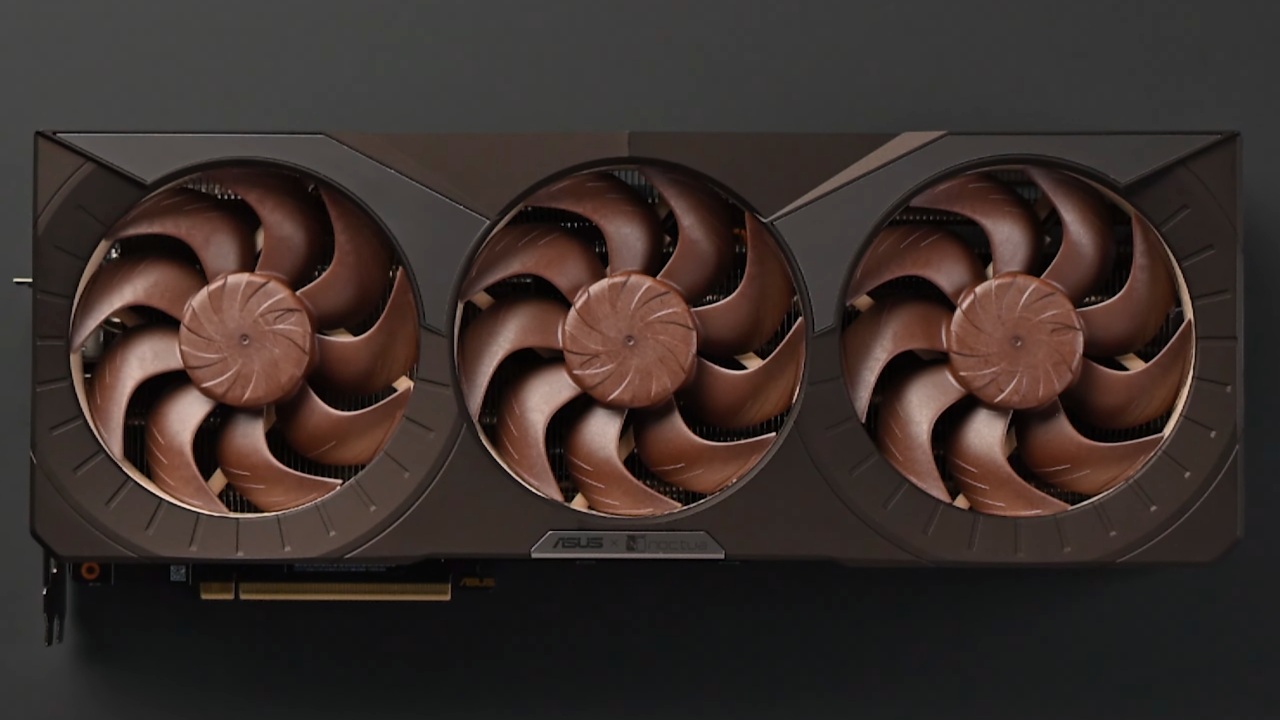
RX 9070 XT Leads RTX 5080 in Black Ops 7
Call of Duty: Black Ops 7 is a good example. In Tweakers' 1440p Extreme testing, the RX 9070 XT averaged about 183fps, while the RTX 5080 managed around 172fps. That makes AMD roughly 7% faster in the test. Switch to the Balanced preset, and the gap gets stranger. The RX 9070 XT reached about 241 fps, while the RTX 5080 was around 222 fps.
Even the RTX 5090 only reached about 248fps. In that specific test, a GPU currently listed above $4,800 was only about 3% faster than the RX 9070 XT. That does not mean the RX 9070 XT is secretly a 5090. It means the system is hitting limits somewhere else. Blackwell is not slow, but its advantage can shrink dramatically in CPU-limited or high-FPS gaming.
Borderlands 4 shows the same pattern. In ComputerBase's newer 1440p testing with Quality upscaling, the RTX 5080 averaged about 86 fps, and the RX 9070 XT about 82 fps. That's only a small lead. At 1% lows, the Radeon came out slightly ahead. Some people also pointed to Blackwell's E and M management processors, but this part matters.
Don't ignore DLSS. NVIDIA's standard DLSS Quality mode uses a 67% input resolution. At a 4K output, that means a 2560×1440 render resolution. So, even on a 4K monitor, DLSS Quality can push the game into the same low-resolution scaling conditions. That is why native 4K review charts don't tell the whole story.
A GPU can behave differently when an upscaler lowers the internal render resolution.
There's another important detail. Our early RTX 5090 testing showed cases like Space Marine 2 where the RTX 4090 could win at 1440p. But newer ComputerBase results show the RTX 5090 clearly ahead. So, drivers, game patches, and test conditions can change the picture.
But for high-refresh 1440p gaming, don't assume a more expensive NVIDIA graphics card will always deliver proportionally more FPS. At current US prices, that matters more than ever. Don't buy an RTX 5080 or RTX 5090 based on a single 4K benchmark chart. Take the games you play, the settings you use, and whether DLSS changes the internal render resolution.
A flagship GPU can be extremely fast and still be poor value for your workload. For 1440p gaming, the RX 9070 XT can deliver results much closer to more expensive NVIDIA GPUs in certain games and settings, while broader testing still shows the RTX 5080 and RTX 5090 pulling ahead in other workloads.
Editor, NoobFeed
Gaming Hardware Updates
No Data.