
BioWare Is Shutting Down After 30 Years, Bringing an End to One of Gaming's Most Influential RPG Studios
EA has reportedly axed the next Mass Effect game as BioWare's troubled decade ends, leaving the future of Dragon Age and other beloved franchises in doubt.
News by Mahi Araf on Oct 22, 2026
BioWare was once the most influential studio in the gaming industry, especially in the role-playing game (RPG) genre. For decades, the developer built its reputation on memorable characters, player-driven stories, meaningful choices, and worlds that made you want to spend hundreds of hours adventuring in them. After years of disappointing releases, financial difficulties, and major internal changes, BioWare's future finally took a devastating turn.
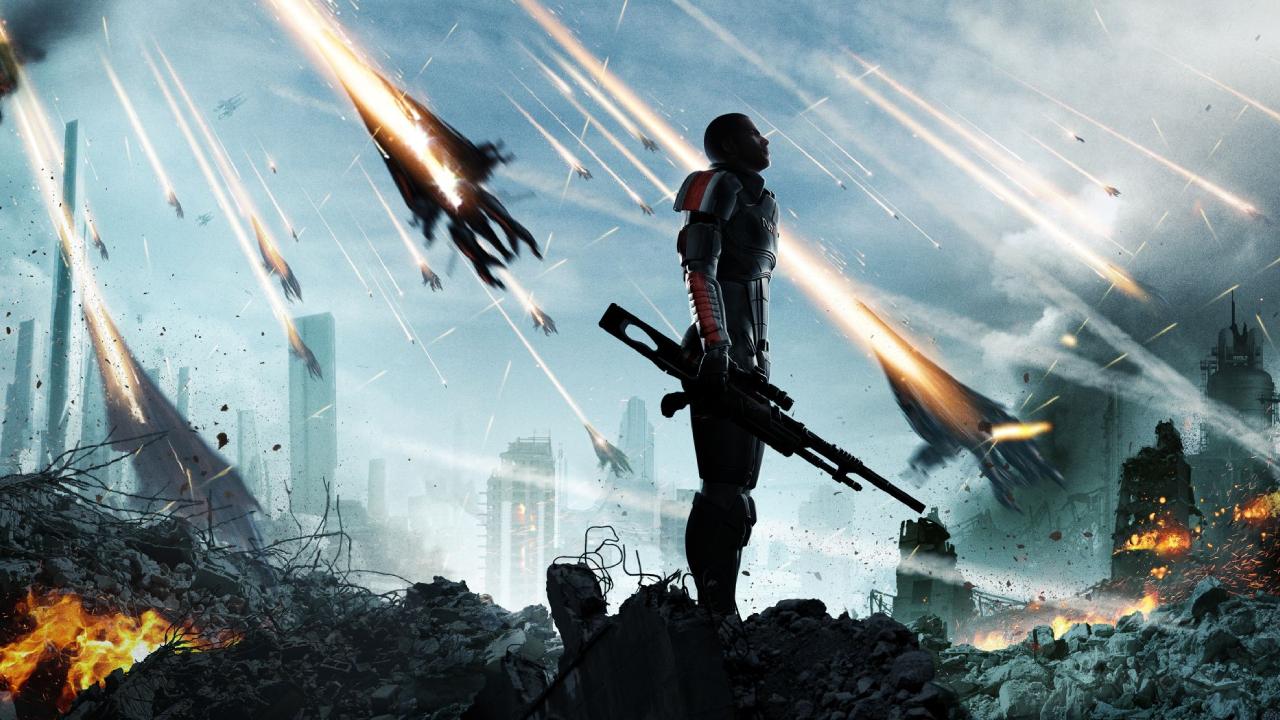
After more than 30 years, BioWare was reportedly set to close its doors on October 21, 2026. The closure also means that EA has canceled development on the next Mass Effect game, which was still early in development. For fans who have been waiting for the franchise to return since Mass Effect: Andromeda, this is another painful blow, especially since the new game was meant to be a chance for the studio to rebuild its reputation.

BioWare has a history of some of the most important RPGs ever released, including Baldur's Gate, Neverwinter Nights, Star Wars: Knights of the Old Republic, Dragon Age, and Mass Effect. The studio's catalog also includes Anthem, which received far less praise than its predecessors.
But BioWare's influence on the genre is hard to quantify, as its games helped set standards for storytelling and character-driven gameplay that developers still strive for today.
In the closure announcement, BioWare reflected on what the studio meant throughout its history, saying it was more than just a development team. It was home to storytellers, developers, and players who breathed life into its fictional worlds.
The statement recognized the importance of the communities that formed around its games, explaining how players would argue about their choices, form attachments to characters, and claim those worlds as their own. BioWare also thanked its audience for being the most meaningful part of its story, while explaining that its immediate focus was supporting the talented employees affected by the transition.
The announcement is particularly difficult to accept if you grew up playing BioWare's RPGs. These games helped define the genre's expectations for many players, and their influence was felt long after their initial releases. So the studio's closure represents more than just another developer leaving the industry. This is the end of a company that helped shape modern RPGs.
But the issue goes beyond BioWare itself.
Electronic Arts still owns the studio's franchises, so the publisher will ultimately decide what to do with Mass Effect and Dragon Age. EA could either hand the properties to another development team to continue the franchises under new leadership or leave them untouched indefinitely. Without more clarity around those decisions, the long-term fate of these series is up in the air.
It's especially disappointing that BioWare has canceled the next Mass Effect game, as the franchise had a chance to redeem itself after Mass Effect: Andromeda's reception. Released in 2017, Andromeda has struggled to live up to the original trilogy's reputation and has become a divisive entry among longtime fans. Although opinions varied, many players hoped another installment could restore confidence in the series and let BioWare return to the standards that made it famous.
Unfortunately, that opportunity will no longer materialize under the current project.
The next Mass Effect game was still in early development, so its eventual quality and commercial prospects remain unknown. Still, the idea of a return to the franchise generated a lot of buzz, making the cancellation even more frustrating for fans who had waited years for another big entry.
Financial pressure appears to have driven EA's decision. Per Bloomberg reporter Jason Schreier, EA planned to cut around 400 jobs as part of a broader cost-cutting effort, with BioWare among the affected operations.

The report also pointed to EA's transition to private ownership in August, a $55 billion leveraged buyout led by a Saudi investment fund. The deal reportedly added about $18 billion in debt to EA's books, putting the company under additional financial pressure. In such circumstances, projects and studios that fail to deliver the expected commercial returns can become difficult to justify, regardless of their historical importance.
Earlier in the year, EA reportedly told investors it intended to save as much as $700 million, partly by cutting research and development spending.
Those plans included cutting projects and restructuring the company's development operations. In a letter to employees reviewed by Bloomberg, EA Chief Operating Officer David Tinson and Chief Studios Officer Cam Weber explained that the company had taken a hard look at its business and would cancel certain projects, including the next Mass Effect game, which was in early development at BioWare.
The financial situation helps explain the timing of the announcement, but BioWare's problems had been building for years. The studio's recent output failed to produce the critical and commercial success needed to reverse its declining fortunes.
Anthem was one of the clearest warning signs. The live-service game launched with an interesting premise and promising gameplay ideas, particularly its combat and the mobility offered by its flying suits. A shaky launch and a live-service build that failed to deliver on its promise undermined its strengths. Eventually, the project was a commercial failure, and the planned long-term support was canceled.
Mass Effect: Andromeda didn't live up to expectations, either.
As the first major new installment since the original trilogy, it had the weight of continuing one of BioWare's most recognizable franchises. Rather, it became a divisive offering, leaving many fans unconvinced by the show's direction.
The Mass Effect Legendary Edition brought the original trilogy back to players and delivered a more heartening outcome, but that success wasn't enough to change the studio's larger trajectory. Dragon Age: The Veilguard then arrived as another important test of BioWare's future.
Although The Veilguard received a more favorable response from some critics, it disappointed sections of the established fanbase, particularly those who regarded Dragon Age: Origins as the series' high point. Its commercial performance also reportedly failed to justify the development investment, leaving BioWare without the comeback it needed.
Almost a decade has passed since Mass Effect: Andromeda was released. BioWare still hadn't delivered a game that could credibly return the company to its former glories, either through broad critical acclaim or significant commercial success. After all, Anthem's failure had already raised eyebrows, and the Veilguard's performance only made the studio's position harder to defend.
Hopes were that The Veilguard would show BioWare could get back on track. Instead, its reception and sales reportedly reinforced concerns about the company's future. Even as EA and BioWare spoke positively about the next Mass Effect project, uncertainty remained over whether the game would survive long enough to reach release.
EA's ownership changes and the added financial pressure of the buyout heightened those concerns. In retrospect, the cancellation is a sad end to a situation that had been brewing for years.
Former BioWare developers have also begun sharing their reactions to the closure. Famed for the studio and the Mass Effect franchise, Casey Hudson said he was "heartbroken" for former colleagues, affected staff and fans who'd been waiting for the next adventure.
Hudson also took some time to reflect on his own career and thank BioWare founders Greg and Ray for inviting him to be part of the studio's history. He was convinced its legacy would continue through the people who worked there, committed to creating games that focused on memorable stories, worlds and characters.
Michael Gamble also acknowledged the support he received over his 17 years at BioWare, where he led development on the next Mass Effect game as project director. It was a brief message, but it conveyed how much the closure meant personally to the people who'd worked for years to build the games the studio produced and maintain relationships with its audience.
BioWare's downfall also says a lot about how far the studio fell. Some veterans remained, but many of the developers behind its most storied games had left. The people who helped establish its approach to storytelling, character development, and thoughtful gameplay were no longer necessarily there to guide its projects.
The hope was that a new crop of developers would pick up the torch and restore BioWare to its former glory. Sadly, the studio's recent output didn't show the results needed to make that transition work, and the next Mass Effect game came too late to be a turnaround.
The trouble with the RPG genre isn't because BioWare is closing.
Studios such as Larian, CD Projekt Red, Warhorse Studios, and Rebel Wolves are still adding various forms of the genre. BioWare's absence is even more pronounced when you consider how the studio helped set many of the expectations modern RPG developers try to meet, even as other studios continue to build on that foundation.
Its games and legacy will live on in gaming history, but the studio's future may be done. Its most famous releases still show why players fell in love with its characters, stories, and worlds from the start. It's also a bitter pill to swallow, given that the next Mass Effect game is now canceled, and fans will never know whether it could have been the comeback BioWare so desperately needed.
More than three decades later, BioWare leaves a legacy its final years cannot erase. Its recent struggles tell part of the story, but they don't diminish the importance of the games that made the studio a household name among RPG fans. EA's decision closes a difficult chapter for the developer, while the publisher still holds the future of its most recognizable franchises.
Senior Editor, NoobFeed
Related News
No Data.