
AMD FSR 4.1 Brings RX 6000 Support and Vulkan Compatibility
AMD Expands FSR 4.1 Compatibility to Older Radeon Graphics Cards, Ryzen Handhelds, and Vulkan-Based Gaming Platforms.
Hardware by Tanvir Kabbo on Oct 22, 2026
With FSR 4.1 coming to older Radeon graphics cards, integrated GPUs, gaming handhelds, and Xbox consoles, AMD is significantly expanding its upscaling ecosystem. AMD's Jack Huynh announced the deployment, which aims to make machine-learning-based rendering available on a wider range of hardware, relieving pressure on players to upgrade just to access newer graphics technologies.
The expansion includes the Radeon RX 6000 series, Ryzen AI processors, the Ryzen Z2 series, and Vulkan API support, all enabled by the updated 26.10.1 drivers. AMD also aims to make FSR 4.1 a more general rendering platform, not just a feature for its newest graphics cards, with improvements to frame generation and ray regeneration.
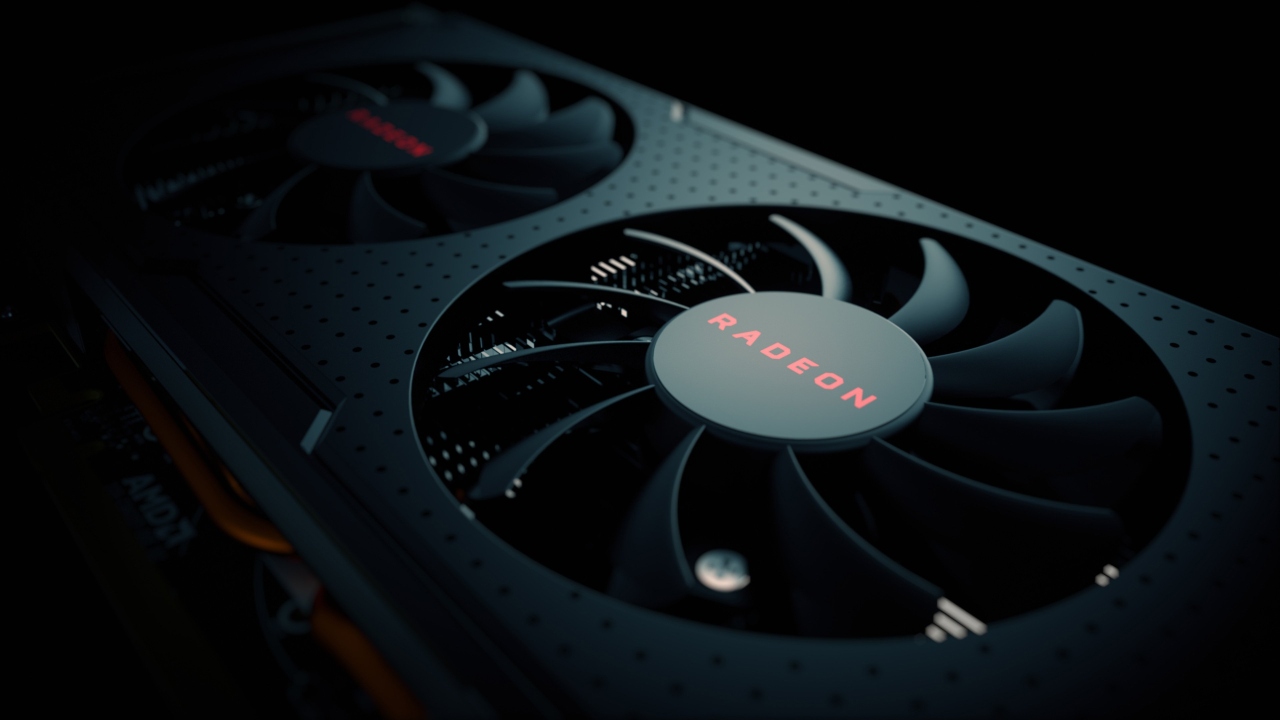
FSR 4.1 Extends Support to RDNA 2
The most notable addition is FSR 4.1 for Radeon RX 6000 GPUs, which arrived in 2020 on AMD's RDNA 2 architecture. They aren't the newest cards on the market, but many can still deliver strong 1080p and 1440p gaming performance.
Modern games demand more rendering power with improved lighting, ray tracing, and complex environments. Machine-learning-based upscaling can help by recreating higher-resolution images from lower-resolution renders, reducing the GPU workload while trying to preserve visual clarity.
That expansion could offer a huge performance boost to existing RX 6000 owners without requiring a new graphics card. Results will vary depending on the specific GPU, game implementation, and graphics settings. Wider compatibility doesn't guarantee the same performance across all supported models.
Backward Compatibility Strengthens AMD's Position
This is especially useful if component costs rise to the point where upgrading is hard to justify. It lets you backport current graphics features to older hardware. AMD is providing existing customers another reason to stay within its ecosystem, rather than pushing users toward newer Radeon generations.
The upgrade also underscores the growing importance of software support in the GPU battle. Hardware specs matter, but access to updates that improve rendering over the years can extend a graphics card's useful life and increase its overall value.
Portable Gaming Could Benefit From Smarter Rendering
AMD is also bringing FSR 4.1 to integrated GPUs, including Ryzen AI Max processors based on Strix Halo and Gorgon Halo, Ryzen AI 9 chips using Strix Point and Gorgon Point, and the Ryzen Z2 series for gaming handhelds.
Portable devices have tighter thermal and power constraints than desktop PCs. Higher-resolution gaming quickly increases power consumption, heat output, and fan noise.
FSR 4.1 can help handhelds balance visual quality and performance by rendering at a lower internal resolution and rebuilding the image. Better frame pacing and improved frame generation should also translate to smoother gameplay in compatible titles.
However, frame generation is not a guaranteed battery saver. Generating more frames requires more processing resources, and apparent smoothness doesn't necessarily mean lower input latency. Results may differ depending upon implementation and power settings.
Support for the Xbox Series X|S might bring these benefits to consoles, giving developers another option to balance resolution, graphical quality, and performance. Availability will still depend on platform integration and support for each individual game.
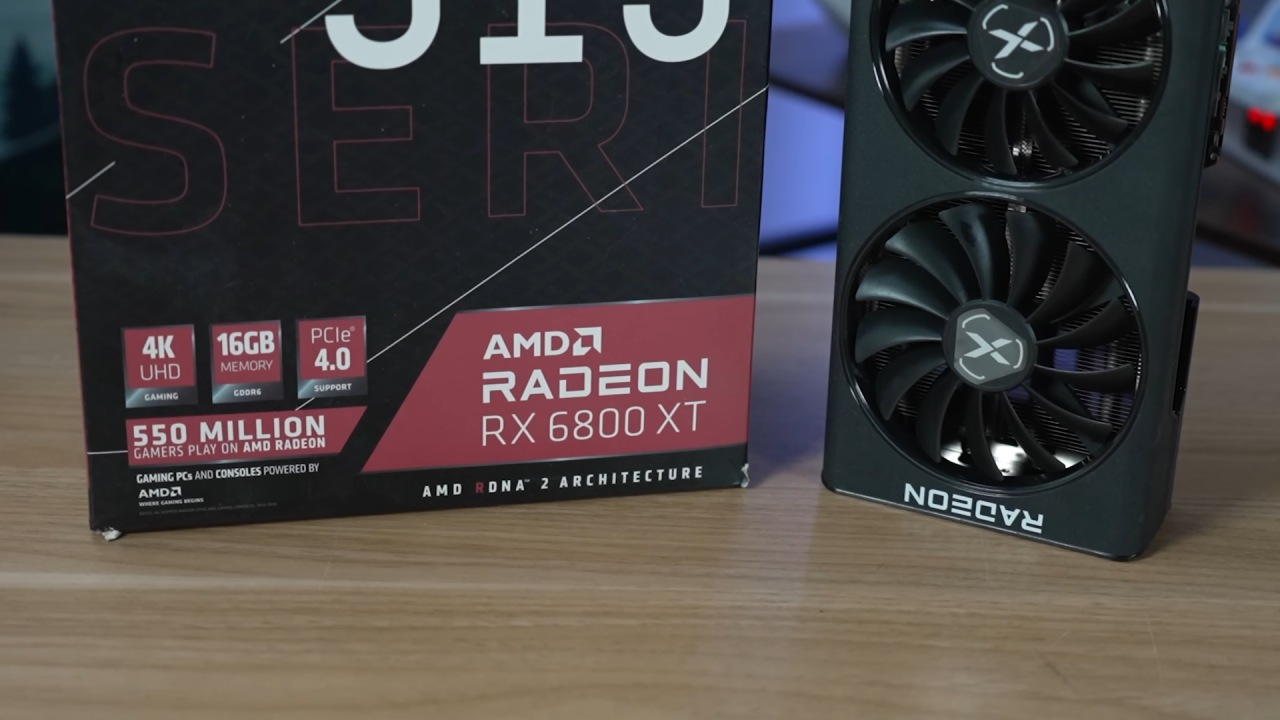
Vulkan Support Opens New Opportunities
The upcoming introduction of FSR 4.1 to the Vulkan API could significantly benefit Linux gaming and emulation. Vulkan is a cross-platform graphics API used by many games and rendering apps, so wider compatibility matters beyond the typical Windows gaming PC.
Linux gamers may benefit as developers add the tech to supported games, while emulation efforts may find new ways to improve visual reconstruction. However, API support alone won't enable FSR 4.1 in every old game or emulator right away.
AMD is also adding support for Ray Regeneration and upgrades to its frame generation technology. These solutions could help developers manage the performance costs of demanding rendering effects, but their practical utility will ultimately depend on image quality, latency, and consistency.
Senior Editor, NoobFeed
Gaming Hardware Updates
No Data.