
Nintendo Switch 2 VRR: Can Nintendo Force It on Every Game?
Nintendo Switch 2 VRR support remains limited by software compatibility, raising questions about universal implementation across supported games.
Hardware by Tanvir Kabbo on Oct 20, 2026
Variable Refresh Rate (VRR) support on the Nintendo Switch 2 has raised questions about how the feature works across different games and television configurations. Although the console can enable VRR at the display level, that doesn't necessarily mean every game benefits.
Unlike implementations on PS5 and Xbox consoles, Nintendo's approach appears to require additional software support, raising questions about why it hasn't introduced a universal solution.
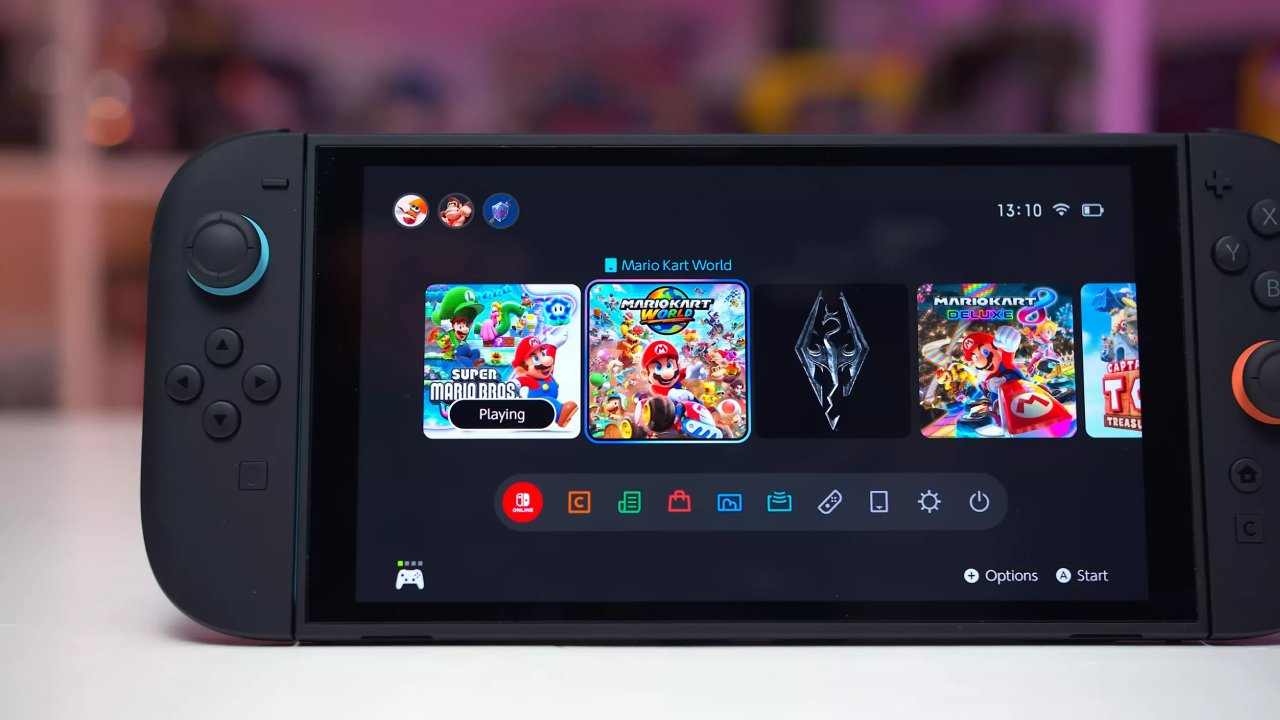
Nintendo Forces VRR On, but Games Still Need Software Support
Interestingly, Nintendo does force VRR on when it is enabled. The display will always show VRR as active, but the software doesn't necessarily let it work correctly. That's what makes this situation odd because often when VRR is turned on, it operates as it should. Something in the software layer must be preventing the feature from working properly and requiring fixes for various games.
What remains unclear is whether Nintendo can force VRR at the software level and on the display side. There may be a way to do it, or there may not. For whatever reason, Nintendo has chosen not to implement it, suggesting the process might be harder than expected.
Nintendo already lets players force handheld boost mode across the system, even though it could cause compatibility issues. That suggests the company isn't opposed to offering system-level features that might cause problems in certain games. There must be a good reason VRR hasn't received the same treatment, although the exact explanation remains unknown.
System-Wide VRR Could Introduce Television Limitations
The disappointing part is that Nintendo's current implementation remains unclear. VRR isn't very useful on its own, as it disables important TV features with no discernible benefit. So the best answer is to turn it on in games that support the feature, especially those that struggle to maintain a consistent frame rate.
But even on handhelds that support VRR, developers haven't done a particularly good job integrating it. Now that all operating modes support it, hopefully developers will take it more seriously and include it more routinely.
Another big issue is Low Framerate Compensation (LFC). Xbox can do it automatically; PlayStation 5 will have to implement this functionality in the game itself. Still, the system can run 4K at 120fps, so VRR may work at different performance levels.
The Switch 2 has more restrictions. Depending on the TV and setup, it may output only 1440p, and some systems may be limited to 1080p at 120Hz. This is a problem for LFC because it may need to sacrifice resolution when the output exceeds 1080p. And that trade-off makes LFC implementation harder than it might seem at first.
Could System-Level VSync Be Responsible?
Or Nintendo's system-level VSync implementation could be interfering with VRR. If so, a future system-level tweak could fix the issue and let VRR work more consistently across supported titles.
But without further technical details from Nintendo, it's hard to tell whether VSync is at fault or whether another part of the software process is preventing it from working as intended. A system update may help, but the root cause still needs to be found.
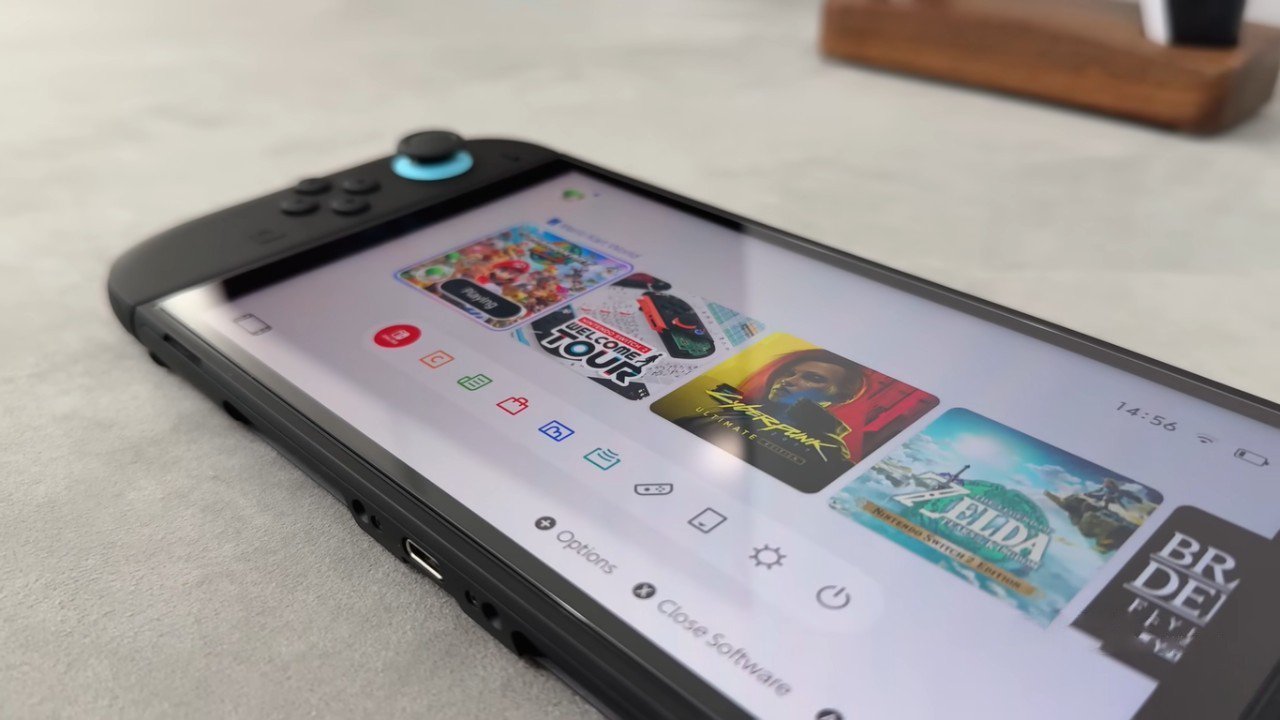
Why Nintendo's VRR Plan Is Confusing To Gamers
Technically, the Switch 2's VRR implementation can kick in across games, but that doesn't guarantee it works properly in every title. This is clearest when players turn on VRR worldwide and expect every game to use it.
Nintendo arguably dropped the ball by not making VRR optional, so it only kicks in when supported software is running. Enabling the feature can introduce unwanted side effects, particularly on televisions that rely on fixed-refresh-rate processing to improve image quality. Some televisions reduce local dimming performance or disable it entirely when VRR is active. Other features, including black frame insertion, may also become unavailable.
The situation creates a communication problem for consumers. Some players may report that VRR works in every game because their TV indicates the feature is active. But an active VRR signal doesn't necessarily mean the game itself is getting the benefits of variable refresh rates.
For example, gamers may turn on VRR while playing Resident Evil Requiem and expect a better experience, only to find the feature isn't working properly. That experience can leave players with a bad impression of VRR when the real problem is the game's implementation, not the display's reported status
In the end, Nintendo's solution raises the question of whether a more thorough system-level implementation is technically necessary. Until the company explains the rationale for this behavior, or improves it through system updates, users may need to rely on individual game support to know when VRR gives real benefits.
Senior Editor, NoobFeed
Gaming Hardware Updates
No Data.