
Intel Core i5 4670K Hits 6.3 GHz, Breaks 12-Year Cinebench World Record
Intel Core i5 4670K reaches 6.3 GHz under liquid nitrogen, breaking a 12-year-old Cinebench world record.
Hardware by Masaru Hoshino on Oct 19, 2026
Competitive overclocking breathes new life into outdated hardware, and Luumi's recent feat shows why enthusiasts still respect older CPUs. The famous overclocker reportedly smashed a 12-year-old world record in the Intel Core i5-4670 K category, pushing the Haswell-era processor to an incredible 6.3 GHz with liquid nitrogen cooling. Cinebench R11.5 scored 10.8 cb, just edging out a record more than a decade old.
At first glance, the feat may seem modest for modern PC builders used to processors with dozens of cores and ever more advanced boost algorithms. But within competitive overclocking, it's a little different. The goal isn't always to deliver the best everyday performance, but to squeeze every conceivable fraction of performance from a given piece of silicon. A 12-year-old processor can still do a really amazing job in that space.
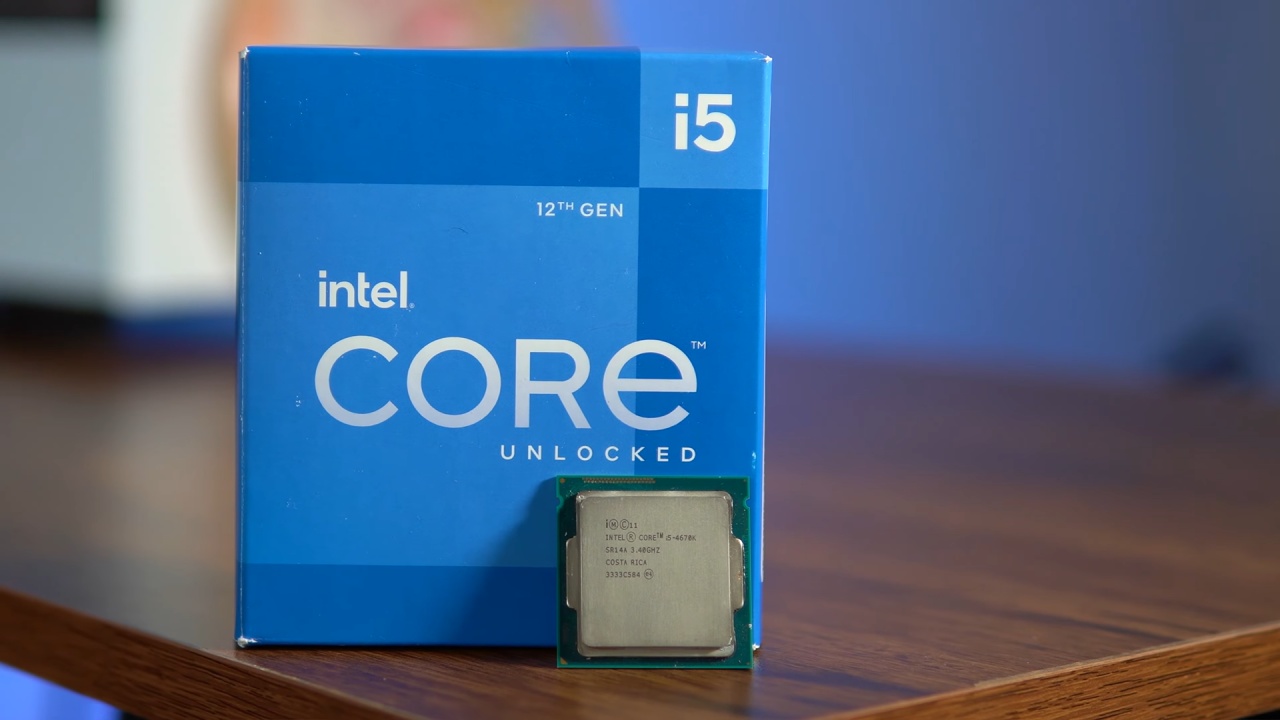
Haswell's Last Stand: The Intel Core i5 4670K Defies Its Age
Intel released the Core i5 4670K in 2013. The processor belongs to the Haswell family and is built on 22 nm production technology. It's a quad-core processor with 4 threads. It doesn't support simultaneous multithreading like many other modern CPUs, especially higher-end ones. The unlocked multiplier nonetheless made it a favorite among enthusiasts who wanted to overclock manually.
Haswell launched when Intel's desktop chips were well known for strong per-core performance and relatively mature overclocking. The Core i5 4670K was particularly appealing to gamers and budget builders who wanted strong performance without paying for an enthusiast-class Core i7.
More than ten years later, the hardware scene has evolved considerably. Today's desktop processors have many more cores, sophisticated power-management systems, and architectural enhancements that deliver a lot more performance for demanding applications. But more cores don't necessarily make a CPU superior in extreme-frequency competition, where a single clock speed, benchmark efficiency, and chip quality can decide the outcome.
Luumi's 6.3 GHz achievement is especially impressive because Haswell silicon was never designed to sustain such frequencies under ordinary operating conditions. Reaching that clock speed requires far more than changing a multiplier in the BIOS. Voltage, temperature, motherboard stability, and the specific CPU's silicon properties all become significant variables.
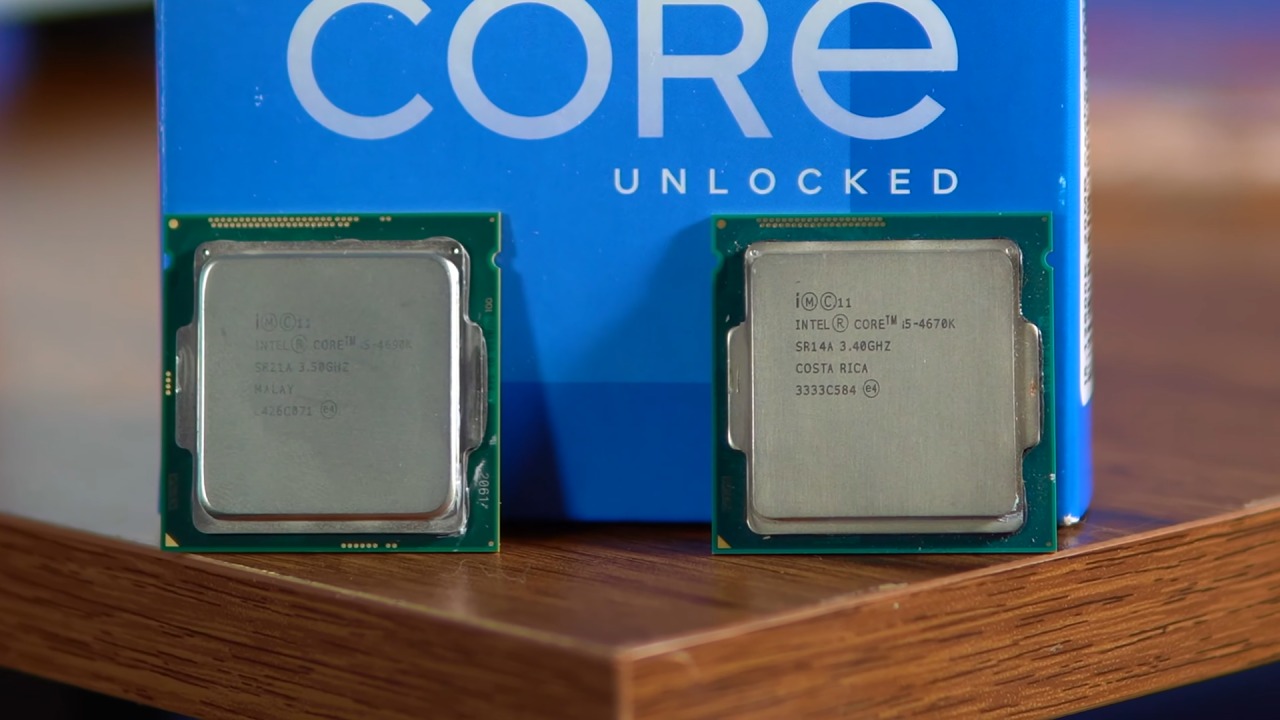
Liquid Nitrogen Cooling Makes the Record Possible
Liquid nitrogen, or LN2 as it's more popularly abbreviated, was the defining feature of Luumi's record-breaking run. Overclockers can try frequencies that would be problematic under thermal limits because LN2 drops the processor's temperature well below the freezing point of water, unlike traditional air or liquid cooling.
Extreme chilling doesn't eliminate all barriers. Cold instability is also possible with processors and aggressive voltage settings. Getting the correct mix of temperature, voltage, and frequency takes experience, close attention, and trial and error. Even a small instability can ruin a benchmark run.
Luumi paired the processor with an ASRock Z97 OC Formula motherboard, a platform designed with overclocking enthusiasts in mind. It has a Z97 chipset that supports Haswell CPUs, and its overclocking-oriented architecture makes it ideal for the rigorous modifications needed during competition sessions.
The hardware includes 4 GB of XPG DDR3 memory at 2,708 MT/s and a Corsair AX1600W power supply. The memory configuration reflects the requirements of an earlier platform, not the capacities and transfer rates of current enthusiast systems. Meanwhile, the large power supply offers plenty of electrical headroom for a system pushed to extremes.
Every part has its role, but the processor is the star. This shows that legacy hardware can still perform quite well when carefully selected and paired with specialized cooling and an experienced operator.
Cinebench R11.5 Record Falls After 12 Years
Luumi's run scored 10.8 cb in Cinebench R11.5, beating the previous i5 4670K category record held by Strat. The earlier result stood at 10.76 cb, achieved at approximately 6.2 GHz.
The numerical difference is small, but that is precisely what makes the accomplishment meaningful. Luumi didn't need a dramatically higher score to set a new benchmark. The goal was to beat a historical record, and the extra frequency was enough to push the score past it.
Cinebench R11.5 is an ancient rendering benchmark, and therefore not very relevant for today's ordinary computing. Its value here lies in consistency and historical comparison. Using the same benchmark and processor category allows enthusiasts to measure progress against results accumulated over many years.
That distinction matters on HWBot, where records are organized across processor families, hardware generations, and benchmark categories. A result that would be unremarkable against a modern multicore flagship can still represent a major achievement within a tightly defined competition.
Editor, NoobFeed
Gaming Hardware Updates
No Data.