
Xbox's Console Crisis—Microsoft Encourages Players to Trade In Their Unused Systems
With hardware prices soaring, chip shortages limiting production, and GTA 6 on the horizon, Microsoft's unusual trade-in offer for Xbox consoles has raised eyebrows about the platform's future.
News by Mahi Araf on Oct 20, 2026
Microsoft appears to be in a bad place with its Xbox consoles. The company is still releasing games for its existing hardware, but soaring manufacturing costs and worldwide component shortages may make it increasingly difficult to keep new systems affordable.
Claims online suggest it could cost about $1,000 to make an Xbox console, with some systems selling for around $800. If those figures are accurate, Microsoft could be struggling to produce hardware without taking significant losses.
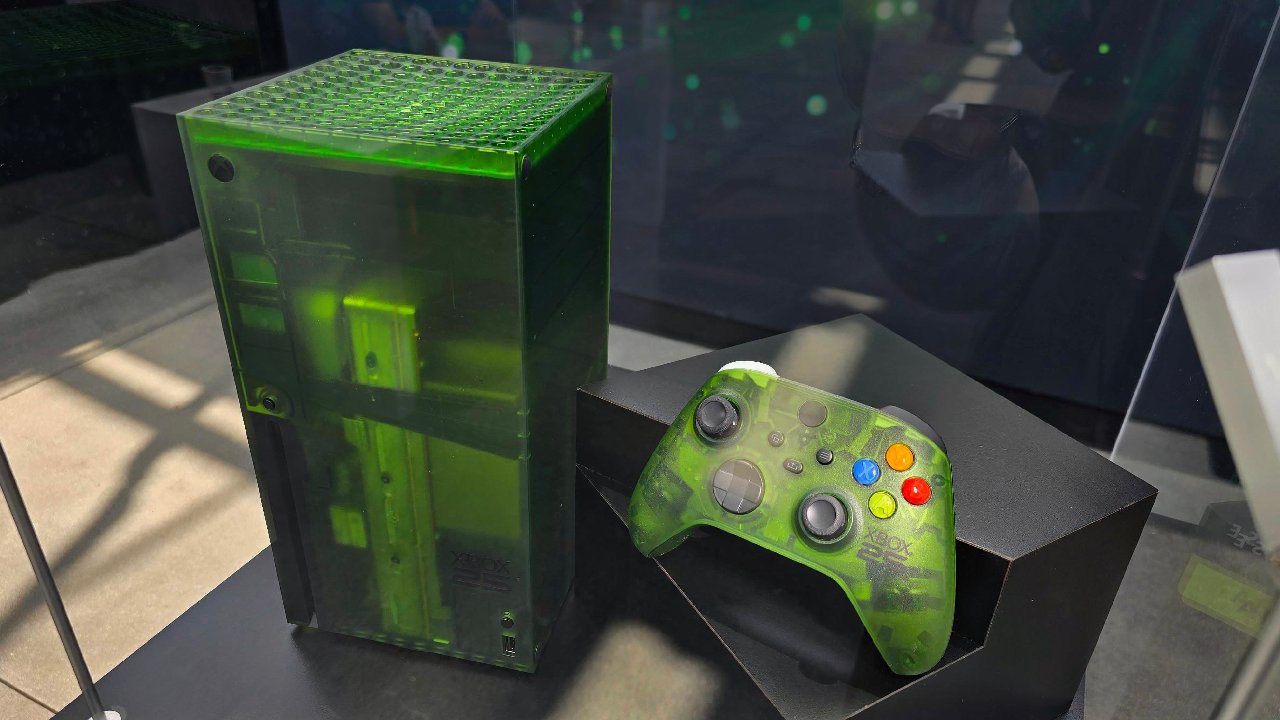
One particularly unusual development is that Xbox has reportedly started encouraging players who no longer use their consoles to trade them in. The company is contacting inactive owners and pointing them to offers that could put their unused systems back into circulation.
The timing is interesting, especially with GTA 6 launching on November 19, 2026.
Both Microsoft and Sony have a huge incentive to get as many players on their platforms as possible before Rockstar's next big release arrives. The game's eventual online component could also bring in big money through ongoing purchases and microtransactions.
According to a reported email, Xbox encouraged an owner who had not played recently to trade in their console at Best Buy for $375 in cash back. The message also acknowledged that some players might have moved to Xbox PC or another way of playing Xbox games.
The offer has attracted attention because Microsoft is encouraging existing owners to sell their hardware rather than simply trying to bring them back to the platform. But the campaign might also be a practical way of getting unwanted consoles into the hands of people who will actually buy games and subscriptions.
Console makers profit from more than just hardware and first-party games.
When you buy a third-party game, download something digitally, or spend money on microtransactions through a console storefront, the platform holder typically takes a cut. Microsoft owns Call of Duty, but if you buy the game through Sony's PlayStation Store, Sony can take a cut of that sale. The same applies to other digital purchases and third-party games.
So this could benefit Xbox, and it could also benefit Microsoft if more engaged players buy games developed by other companies. If someone buys a used console and subscribes to Game Pass and buys games regularly, Microsoft has another chance to make money without building a whole new system.
The reported offer also gives players another option if they no longer need their hardware. The trade-in offer could net Xbox Series X owners potentially $375, while selling it privately through a marketplace like eBay could net closer to $500 depending on the condition of the system and the transaction.
But the bigger issue is the state of the console market.
Prices have gone up. Hardware, games, subscriptions, controllers—everything is more expensive. Gaming is more expensive now. If you don't already own a console, buying one is a big investment, and you still have to pay for games and online services.
Industry figures in the source indicate a significant weakening in PlayStation hardware sales, with Xbox reportedly seeing even sharper declines in certain quarterly hardware metrics. These challenges come as Microsoft expands its PC presence and brings more of its games to rival platforms.
That approach gives players more ways to play Xbox games, but it complicates the company's ongoing investment in dedicated consoles. If you can play many of the same games on PC, you might have less reason to buy an Xbox, especially as hardware prices rise.
GTA 6 could be a major opportunity to attract new customers. The game will be available on PlayStation 5 and Xbox Series X|S at launch, giving the makers of the consoles a chance to cash in on the massive interest in Rockstar's release.
GTA 5 has shown us how valuable a long-running online game can be. Its microtransactions have made a lot of money, and GTA 6 Online could do the same one day. Active players could then become particularly important to Microsoft and Sony. But getting more people interested in Xbox won't fix the underlying manufacturing problem.
A huge challenge the industry faces is the worldwide shortage of advanced chips and other components.
We've heard reports that manufacturers are fighting over production capacity for chips that haven't even been made yet. Businesses may have to spend a lot of cash to get their hands on supplies, essentially competing with other businesses for the same parts.
This contest is much more than just gaming. Nvidia, smartphone makers, console builders, and companies building artificial intelligence infrastructure all need advanced chips. AI companies are investing heavily in data centers and computing hardware so that they can apply significant supply-chain pressure.
Microsoft's stance is especially interesting as the company has invested heavily in AI research and infrastructure.
While those investments could strengthen its broader technology business, they also exist alongside its gaming ambitions. If component prices keep rising, Microsoft could face difficult decisions about how much money to commit to dedicated consoles.
The situation is especially strange, since the current console generation is already several years old. Traditionally, hardware gets better, and manufacturing becomes more efficient, so companies can charge less and reach more customers.
For example, the PlayStation 2 eventually fell from its launch price of around $300 to about $99. But instead of the big price drops that you might expect later in a generation, modern consoles have gone up in price.
These conditions could make Microsoft's next-generation plans harder to execute.
The company has talked about Project Helix, which is supposed to play a big role in the company's future hardware strategy. But what form the next Xbox will take, and how Microsoft will make it, remain open questions.
Xbox journalist Jez Corden claims Microsoft is considering non-traditional next-gen game disk options. There is also speculation that the company may pursue a hybrid PC-console device rather than the traditional console model.
With this approach, Microsoft could license its software and Xbox branding while working with third-party original equipment manufacturers to produce hardware. This could mean it relies less on traditional console hardware, but that's speculation, not a concrete plan.
A PC-centric Xbox might even align with Microsoft's wider strategy of releasing its games on other platforms. But the company hasn't said it's abandoning dedicated consoles, and Project Helix is still part of the conversation about its future.
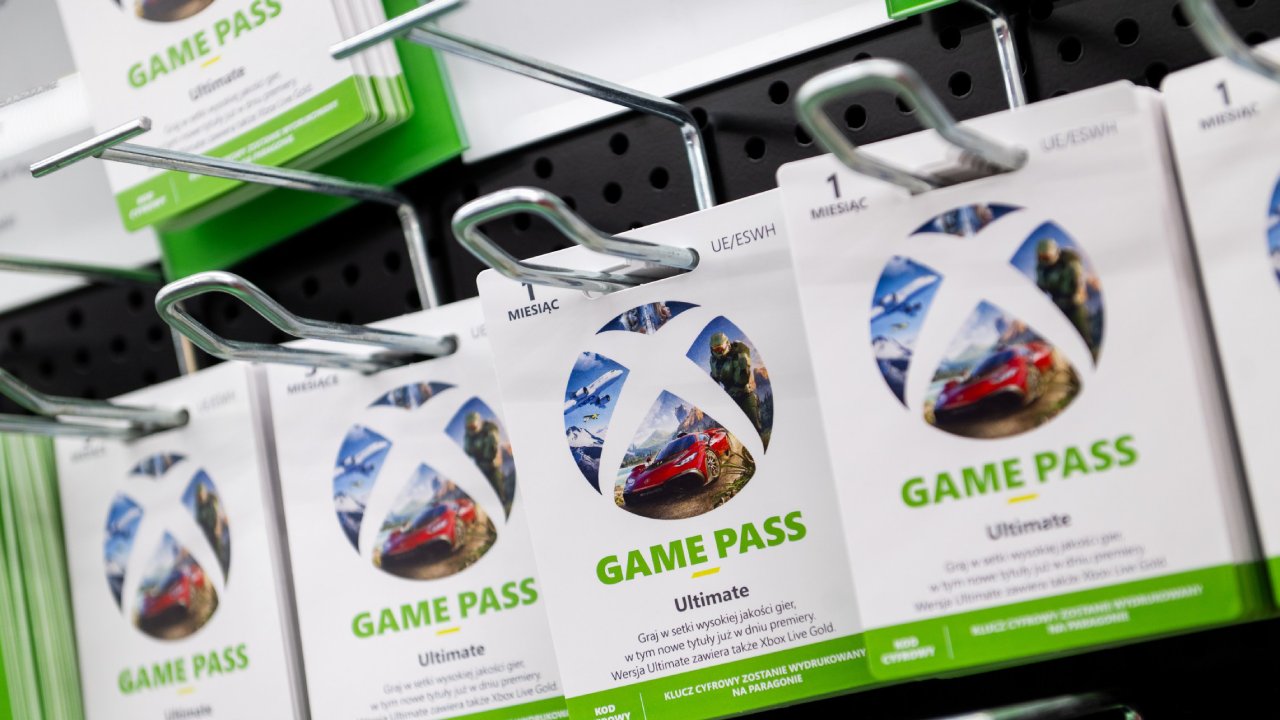
Another thing is Game Pass. The subscription service has been central to Microsoft's gaming strategy, but questions about subscriber growth and profitability have raised concerns about how the company will manage it going forward.
Changes to Call of Duty and Game Pass have fueled talks. Microsoft must balance the appeal of adding big releases to a subscription with the revenue of selling games a la carte. Development costs and the cost of reaching a mass audience matter, too.
Altogether, these developments make for a complicated picture for Xbox.
Microsoft still has big franchises, a big gaming business, and opportunities to reach players on consoles and PCs. But rising hardware costs, chip shortages, and a battle for customers could affect its next move.
The trade-in campaign in question doesn't confirm that Microsoft is preparing to exit the console market. It may be a ploy to bring dormant customers back into the ecosystem and put unused hardware in new players' hands.
But the timing prompts questions about how Microsoft will compete with GTA 6 looming and hardware becoming more expensive. Project Helix could answer that if the company finds a way to combine the convenience of a console with the flexibility of PC gaming.
For now, Microsoft's reported effort to encourage players to trade in their unused Xbox systems highlights the challenges facing the company. Getting existing consoles into new homes could help generate additional revenue, but it will not resolve the wider manufacturing problems. If component costs continue rising and demand remains under pressure, Microsoft may eventually have to reconsider not only how it produces Xbox hardware, but also what its next console will look like.
Senior Editor, NoobFeed
Related News
No Data.