
Xbox Could Pull Its Games From PlayStation as Microsoft Considers Returning to Exclusivity
A leaked internal survey suggests Microsoft may be considering delisting existing games and ending updates on PlayStation, raising questions about Xbox's long-term strategy and the future of its multiplatform releases.
News by Mahi Araf on Oct 15, 2026
Xbox may be on the verge of another major shift, with a recent leak suggesting Microsoft is considering a return to full console exclusivity. But the reported plans go beyond making future releases like Halo and Fallout Xbox exclusives. The company is reportedly considering removing games already available on PlayStation 5 and possibly ending support for games players have already bought.
The leaked information says Microsoft's talks could affect several major titles, including The Elder Scrolls Online, Sea of Thieves, Forza, Microsoft Flight Simulator and Grounded. The proposal could also include future games from big franchises like Minecraft, Fallout and The Elder Scrolls.

If the reported plans become reality, you could lose access to certain games on the PlayStation Store, while titles you already own might stop receiving new content updates. Microsoft would effectively be reserving both access and continued support for Xbox platforms.
However, the company has not confirmed a final decision. The information reportedly comes from an internal survey exploring whether a return to exclusivity would encourage people to come back to Xbox. The plan isn't confirmed yet, but it has already sparked debate over whether this would be a good step for Microsoft, or whether the company would lose more than it gains.
One of the biggest concerns surrounds Minecraft, which has built a huge following across multiple platforms. Already, making future Minecraft, Fallout, and Elder Scrolls games exclusive to Xbox would be a big change, but pulling existing releases and updates for those games from competing systems would take things much further.
Players have slammed the leaked survey, questioning if exclusivity alone will be enough to make them switch consoles. Some say forcing people to buy two or three different systems to keep playing their favorite games is a bad way to go. Others argue that Minecraft is simply too successful to be limited to one platform, without risking significant financial losses.
Still one of the best-selling games of all time, Minecraft has a huge audience on consoles, PCs, and other devices. Microsoft has continued to profit from game sales and additional content, making it even less likely to pull it from PlayStation and Nintendo. The company has even ported the game to the Nintendo Switch 2, showing its dedication to reaching players beyond its own ecosystem.
If Microsoft pulled Minecraft from competing platforms or stopped updates for existing versions, it could lose significant revenue. Instead of attracting gamers to buy an Xbox, the decision could push them toward other games and even jeopardize the franchise's long-term fan base.
That's especially troubling given Xbox's recent history. Over the past year and a half, Microsoft has faced studio closures, layoffs, and questions about the performance of its investments. For example, the closure of Tango Gameworks disappointed fans who expected the studio to continue developing games, perhaps with another Evil Within entry.
Microsoft has bought studios and intellectual property for years, but those investments haven't automatically translated into the commercial success the company needs. Consolidating its business may strengthen the Xbox brand, but exclusivity alone might not fix its financial problems.
The reported performance of Gears of War: E-Day has also been discussed. Figures circulating online suggest the game may have sold around 200,000 copies, perhaps fewer than 300,000, but no one has independently confirmed them.
If those sales numbers are accurate, they are worrying considering that the game is claimed to have cost around $400 million to make. For a project this big, you need to make some serious money off it to make it worth it. However, game sales are only one part of the story; other revenue could come from console purchases, special-edition controllers, and Game Pass subscriptions.
While these sales may not have been particularly high, the game may have brought more players into the Xbox ecosystem. But the timing of the exclusivity talk is interesting. It makes you wonder what Microsoft expects from its big releases, and whether it thinks limiting games to its own platforms could improve overall performance.
Microsoft has made some big strategic bets over the years, and some haven't paid off as well as they hoped. A perfect example is the 2013 launch of the Xbox One. The company promoted the console as an all-in-one entertainment system, touting TV capabilities, Kinect functionality, and an online-first strategy.
That approach didn't sit well with many players, and the fallout from it damaged the Xbox brand for years. Microsoft eventually changed direction, dropping some of its prior restrictions and embracing a more open stance on game distribution.
Much of that change came from its multiplatform approach, which let PlayStation and Nintendo fans play Xbox games instead of being chained to Microsoft hardware. A full 180 now would be another major change, especially for players who are used to buying Xbox games on other systems.
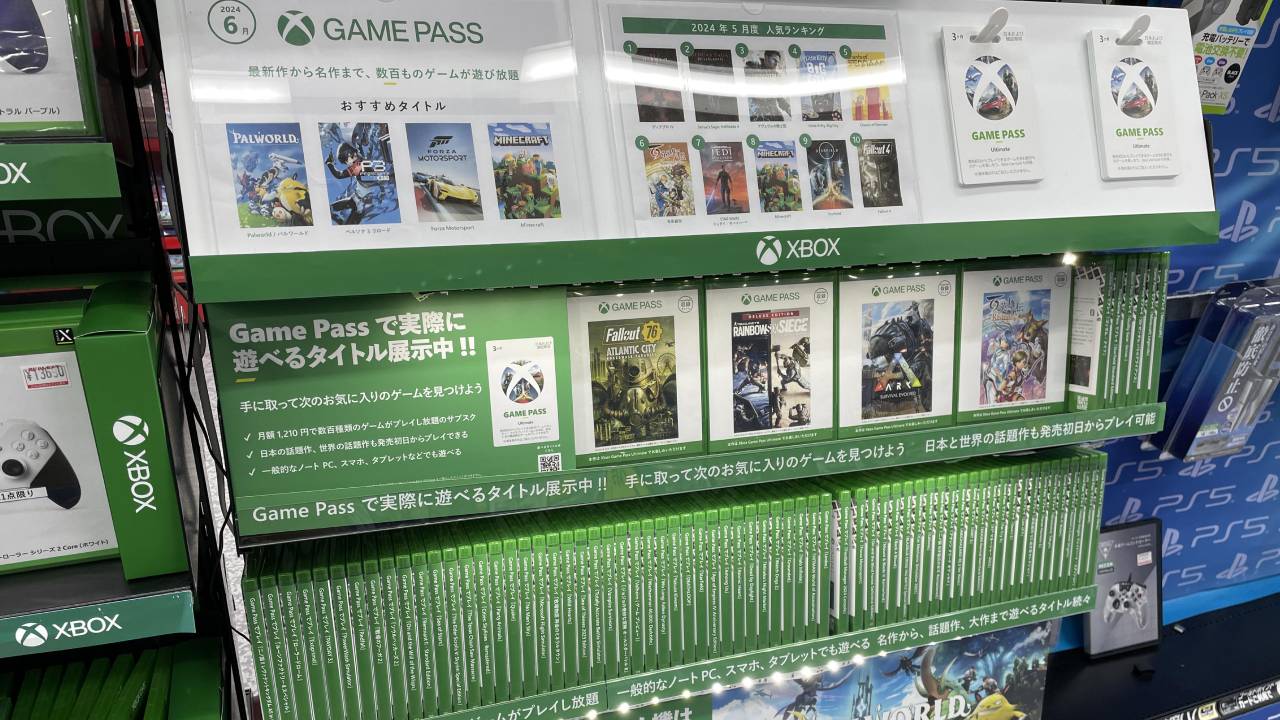
Another major part of Microsoft's strategy under scrutiny is Game Pass. The company invested heavily in its subscription service in hopes of reaching a much larger audience. Previous discussions put the service at roughly 100 million players, while estimates in the current debate put it at around 20 million.
That data doesn't prove how well Game Pass is doing right now, but it does raise questions about Microsoft's long-term subscription plan. Gaming services remain a big part of Xbox, but the company still has to prove its investments can lead to long-term success.
The leaked exclusivity proposal has also raised questions about Microsoft's legal obligations after it acquired Activision Blizzard. During regulatory proceedings, Microsoft argued the acquisition wouldn't create a monopoly and made commitments to making certain games available on competing platforms.
Because of its popularity and large PlayStation revenue, Call of Duty was the most important of those conversations. Removing such a major franchise from competing platforms would have raised serious competition concerns, which is why Microsoft's commitments drew so much attention.
Not all Xbox-owned franchises are in the same situation, however. World of Warcraft, for example, was not on PlayStation, and series like Crash Bandicoot and Spyro have appeared on competing platforms. Whether Microsoft could legally remove certain games would depend on its commitments, existing agreements, and each title's circumstances. The leaked survey itself doesn't prove the proposed changes would be unlawful.
There is also a big difference between making a future game exclusive and removing an existing product from sale or stopping updates for those who already bought it. Any move in that direction could trigger consumer jitters and damage Microsoft's relationship with gamers.
The situation has also led to comparisons with Sony. Sony would likely face similar criticism if it announced plans to remove games from rival platforms or stop sending updates to current versions. Microsoft could face the same reaction if it pursued such a strategy, especially with franchises that have built large audiences outside its ecosystem.
The proposal also has a financial argument against it. Xbox has generated revenue by selling its games on PlayStation, giving Microsoft access to customers who might never buy its hardware. Removing those games could cut an important revenue source at a time when the company is trying to improve the profitability of its gaming business.
Sony has also begun bringing some of its games to Xbox, including MLB The Show and Helldivers 2. PlayStation has a smaller footprint on Xbox than Microsoft's multiplatform catalog, but these releases demonstrate that games can reach audiences beyond their original ecosystems.
Both companies are narrowing who they sell to, but if either gets more aggressive about blocking access, players could lose out. For Microsoft, the risk is especially high, considering that Xbox is already struggling to compete with PlayStation in console sales.
Exclusivity might attract die-hard Xbox fans, but it doesn't mean PlayStation owners will buy Microsoft's hardware. Some may refuse to buy Xbox games, leaving the company with fewer potential customers and less revenue. The move will probably spark debate online, but it won't deliver the sales growth Microsoft needs.
The uncertainty also raises questions about Xbox's long-term direction. "Microsoft has a lot of IPs to monetize, but they need a consistent strategy to convert that into profitable growth," said Asha Sharma, who has been trying to improve the brand's public image.
Speculation has also circulated about its future hardware plans, such as Project Helix, and whether the next Xbox will remain a traditional console or become more like a PC platform. However, its final design and strategy remain in question, and speculation should not be taken as confirmation.
Microsoft needs to convince players why they should invest in its ecosystem. That's bigger than just announcing exclusives or changing its distribution strategy. It needs to prove its hardware, services, and games are valuable enough to attract new customers and retain existing players.
So consider the leaked survey confirmation that Microsoft is exploring other options for now, not a sign that Xbox games are about to vanish from PlayStation. Internal surveys can gauge responses to potential strategies without implementing them.
But the proposal underscores the tricky position Xbox finds itself in. Microsoft wants to build a stronger brand, earn more money, and get more people into its ecosystem. But it risks alienating its audience and losing the revenue it's built up by taking games away from PlayStation.
There's no reason to think Microsoft will remove existing Xbox games from competing platforms until it clarifies its plans. But returning to exclusivity could be a gamble, risking alienated players and further problems for a brand already trying to reestablish itself in the gaming industry.
Senior Editor, NoobFeed
Related News
No Data.