
PlayStation 6 Could Cost Over $1,000 as RAM and SSD Prices Surge
PlayStation 6 could exceed $1,000 as rising memory costs and advanced graphics technologies reshape next-generation console pricing.
PlayStation by Masaru Hoshino on Oct 22, 2026
As memory and storage prices keep rising, the next generation of game consoles could cost much more as hardware makers face new challenges. Component prices could push retail prices above earlier forecasts, as the PlayStation 6 and Microsoft's next-generation Xbox are likely aiming for a launch around the end of 2027.
Meanwhile, Sony is exploring cutting-edge frame-generation gear, and Microsoft seems to be considering how physical Xbox games may remain relevant.

PS6 Could Exceed $1,000 Due to Rising Memory Costs
Sony's PlayStation May 6 Cost Over $1,000 As RAM & NAND Storage Prices Reportedly Exceed $680. Kepler_L2 has also posted similar estimates on the NeoGAF forums, though these numbers are still early and could shift with market conditions.
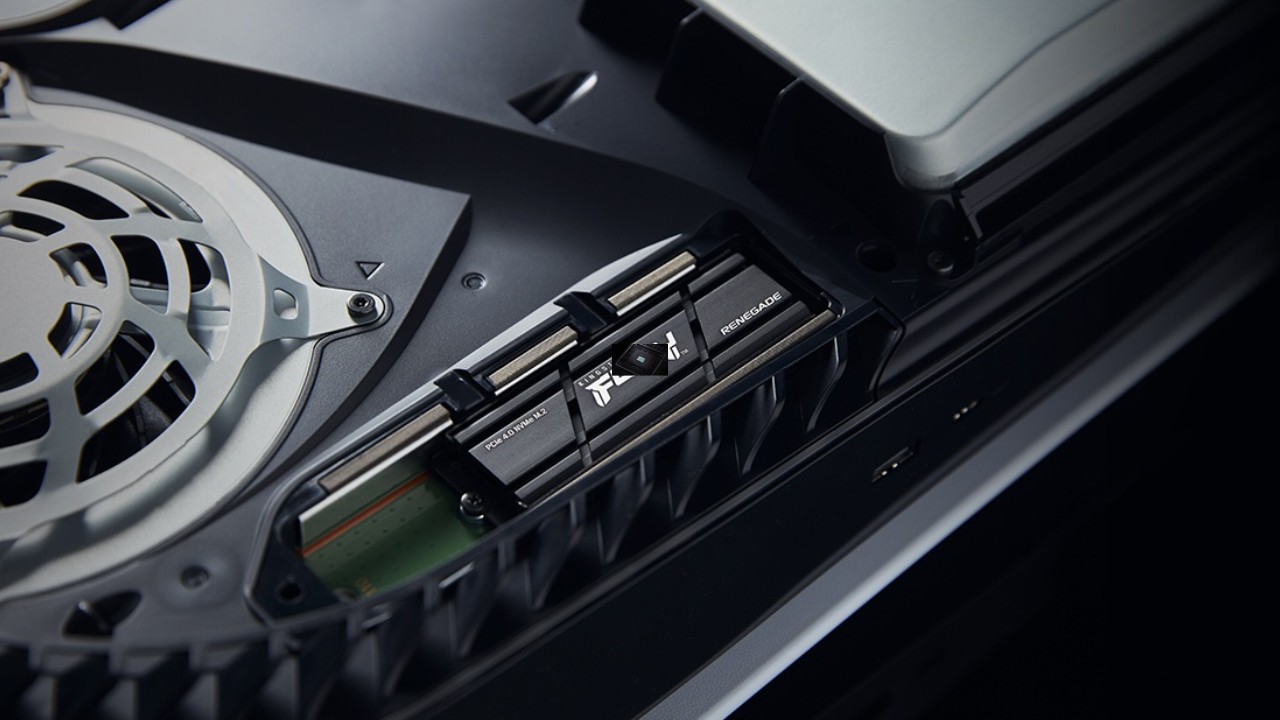
The console would already have a high manufacturing cost, with memory and storage costing around $700 combined. Add an estimated $120 for the system-on-chip (SoC), and the total comes to $820, not including the cooling system, controller, enclosure, motherboard, voltage regulation parts, HDMI cable, and other necessary hardware.
That adds to the cost, and if component prices stay high, a retail price well over $1,000 becomes increasingly believable. Ultimately, Sony's purchasing deals, manufacturing efficiency, and pricing strategy will determine the exact cost.
GDDR7 Prices Could Limit Storage and Memory Capacity
When the next-gen consoles were said to be in development, GDDR7 memory was expected to cost around $3 per GB. Current projections suggest prices could reach $20-$23 per gigabyte, a major departure from earlier expectations.
Sony and Microsoft are deep-pocketed and may have negotiated supply arrangements before prices skyrocketed. Still, such arrangements may not entirely insulate them from rising prices. Memory prices could start falling in 2028 and 2029, but that remains uncertain.
Another sacrifice could be storage capacity. Base consoles might have only 1TB of storage, with premium models likely to offer 2TB, though 2TB and 3TB options would be better for players with ever-expanding game collections.
Physical games still require local installation, and huge downloads remain a bandwidth hassle for limited users. As graphics assets and rendering techniques advance, neural texturing and neural rendering may add additional complexities to storage requirements.
Sony's PS6 Patent Explores Advanced Frame Generation
In October 2023, IGN and Patent Wise reported on a Sony patent proposing a possible neural-network-based frame-generation method that uses controller inputs. But a patent doesn't mean the technology will make it onto a commercial console.
Traditional frame generation produces new frames from information like motion vectors and sequentially produced graphics. At 60fps, a new frame comes around every 16.6 milliseconds. Intermediate frame generation can make the movement look smoother, but it doesn't necessarily make the input more responsive.
Sony's proposed solution apparently considers both controller and visual data. Then the neural network might use recent inputs (e.g., holding forward on a controller) to predict movement and produce frames that are more consistent with the player action. The invention also discusses multi-frame generation that can generate several additional frames.
NVIDIA Reflex 2 Provides a Relevant Comparison
NVIDIA has gone down a similar route with Reflex 2 and its Frame Warp technology. Frame Warp aims to make the displayed image more closely match recent player movements by using updated camera-position information to modify an image shortly before presentation.
Sony's strategy seems aimed at related goals, though the execution may look different. It's been discussed in relation to the PlayStation 6, which is rumored to use AMD's next-gen graphics technology, RDNA 5. However, the patent does not confirm which features will make it to the final console.
Microsoft Could Be Rethinking Physical Xbox Games
A job description for a games supply strategist seen by Windows Central appears to specify responsibilities for handling physical Xbox game launches. It also doesn't say whether Microsoft's next-gen console will be able to play physical disks.
One conceivable solution is game cartridges, which may install games onto an SSD for local play. If compatibility protocols were developed, cartridges could support multiple hardware categories, such as handheld devices. But the cost of making them could be an issue.
Another potential avenue is Microsoft's disc-to-digital efforts, but it's still unclear what Microsoft's physical-media strategy will be moving forward.
Next-Generation Consoles Face Difficult Decisions
The next generation of consoles may come with a higher price tag because of rising component prices, increasing storage requirements, and the growing complexity of graphics technologies. While a PlayStation 6 price tag of more than $1,000 is still hypothetical, manufacturers will need to balance performance boosts with affordability.
Until then, official announcements will be needed to clarify final specs, storage capacity, pricing, and whether physical media will be available.
Editor, NoobFeed
Latest Articles
No Data.