
PlayStation 6 Rumored Specs: 3nm Chip, GDDR7 and RDNA 5
Leaked PlayStation 6 specifications point toward efficient hardware, strong graphics performance, and a focus on affordability.
PlayStation by Shinji Okazaki on Aug 31, 2026
AMD's Zen 6 CPU architecture and RDNA 5 graphics architecture, along with GDDR7 memory and a faster SSD, are likely to be in the next-gen PlayStation console. The technology is likely to be similar to the next-generation Xbox in some ways, but the leaked specs suggest that speed, power consumption, and production costs will be handled differently.
The biggest difference surrounding PlayStation 6 may be its focus on affordability. The console is expected to be less powerful on paper than the next-generation Xbox, which could also make it cheaper to produce. The specifications discussed here apply to the standard home console, not the rumored PlayStation 6 handheld.
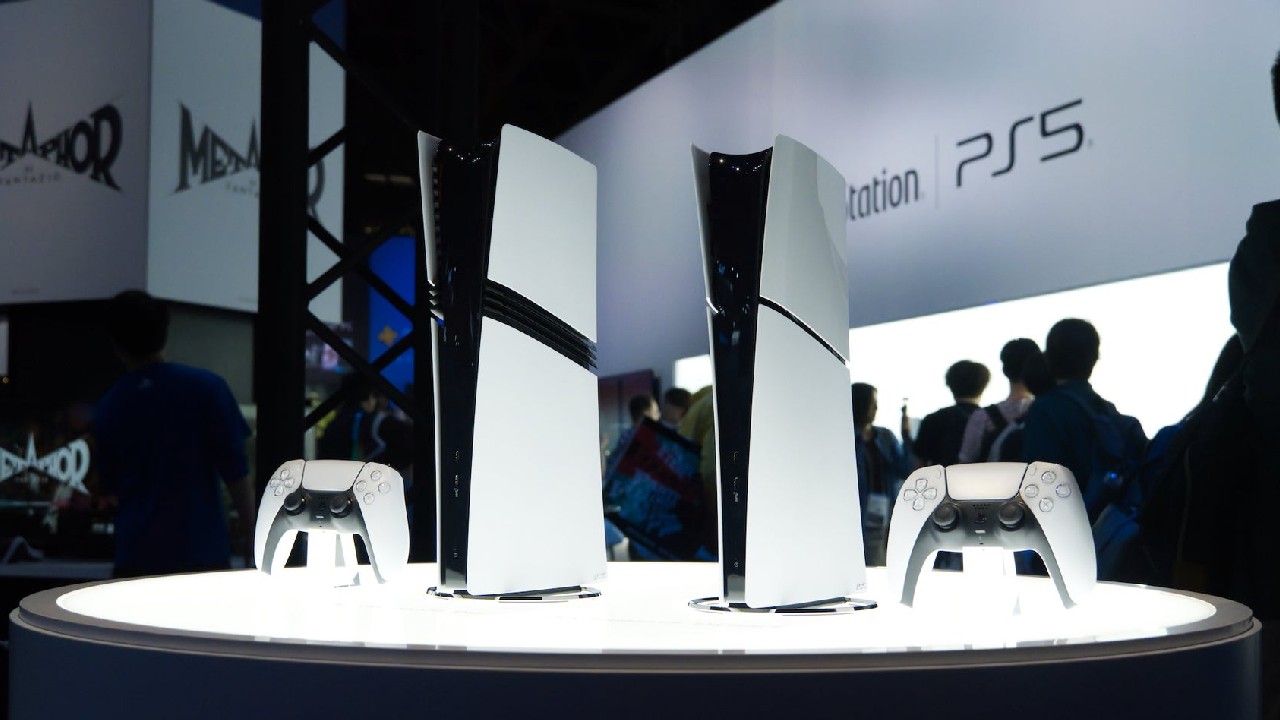
PlayStation 6 Could Focus on a Lower Price
Current component prices make it hard to assess the cost of a cheap next-generation console. Memory and other hardware components have become more expensive, while demand from AI-related hardware has affected the broader market. If those prices eventually decline, PlayStation 6 could become a lower-cost console over the course of its generation.
PlayStation 6 is expected to use AMD's Zen 6 architecture for its CPU, similar to what is rumored for the next-generation Xbox. Current leaks point to a 9- or 10-core CPU configuration. Of those cores, 7 or 8 could be Zen 6C cores. These are designed to be more power-efficient than full Zen 6 desktop-class cores.
Two additional Zen LP cores are also expected, with those lower-power cores potentially handling operating system tasks and other background workloads. That would leave the 7 or 8 main Zen 6C cores primarily available for gaming. Zen 6 should also provide higher performance and efficiency than the Zen 2 architecture used in the current PlayStation 5 generation.
RDNA 5 GPU With Up to 54 Compute Units
The graphics processor is expected to use AMD's RDNA 5 architecture, again matching the rumored architecture for the next-generation Xbox. Current leaks suggest that the PlayStation 6 could feature between 52 and 54 active compute units, though a configuration with around 40 compute units has also been mentioned.
Available information has not yet finalized clock speeds, but rumors point to frequencies above 2.6 GHz, with some estimates reaching as high as 3 GHz. Dynamic frequency scaling could also be used, although the exact implementation remains unknown. At those clock speeds, the GPU should provide enough performance for next-generation games without requiring an extremely large chip.
Estimated performance could range from 34 to 40 TFLOPs, depending on the final number of compute units and clock speed. However, we should not rely heavily on TFLOPs when evaluating PlayStation 6. Modern games increasingly depend on AI, upscaling, and ray tracing. These capabilities can significantly affect overall performance, so raw shader throughput doesn't tell the whole story.
30GB to 40GB of GDDR7 Memory
PlayStation 6 is rumored to feature between 30GB and 40GB of GDDR7 system memory. Some have also suggested that the final amount could be lower due to the focus on keeping the console affordable. The memory subsystem is expected to use a 160-bit memory bus with around 640 GB/s of bandwidth.
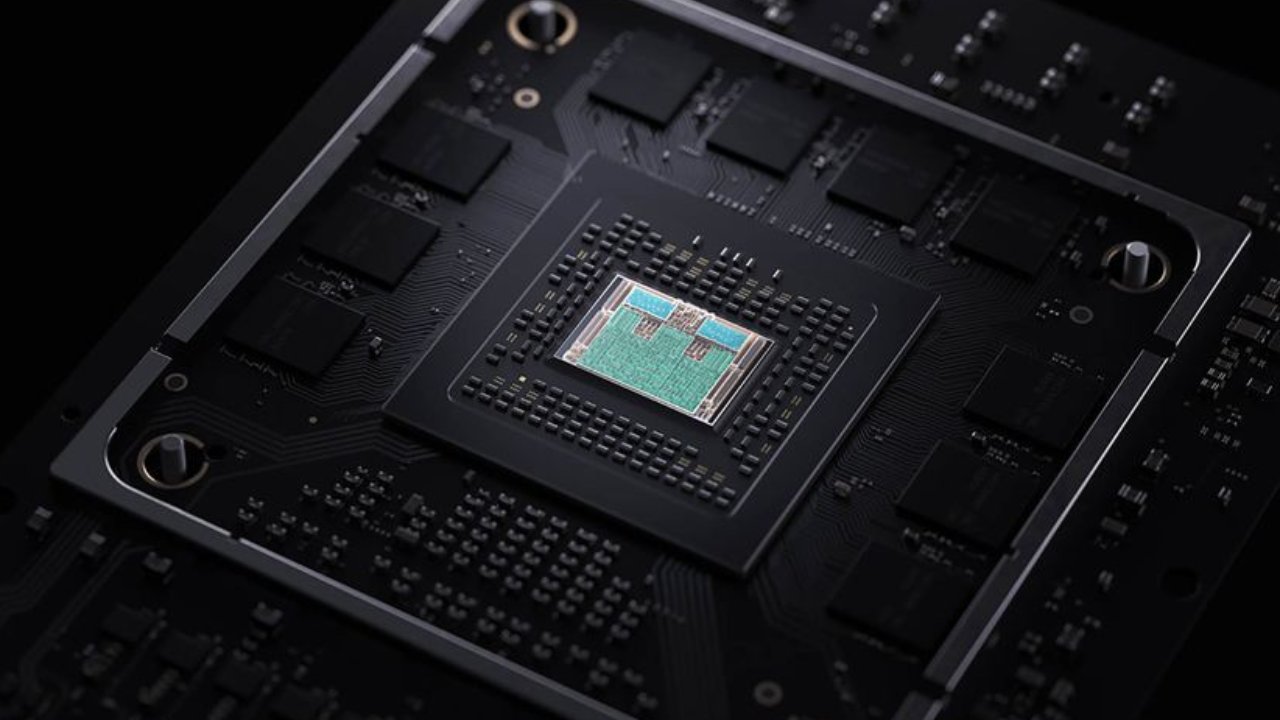
That would represent an increase over the PlayStation 5's roughly 448 GB/s and the PlayStation 5 Pro's approximately 560 GB/s. The bandwidth increase isn't particularly large compared with the previous generation, but how the memory is used could matter more. Next-generation consoles are expected to use AI-based technologies more heavily for areas such as upscaling and texture compression.
AI-based texture compression could reduce some of the pressure placed on memory bandwidth. More bandwidth will still help developers, but improvements in compression and other technologies could address certain bottlenecks without simply increasing the memory subsystem.
When we look at the rumored die size and TDP together, the direction becomes clearer.
A 3nm manufacturing process, a roughly 280mm² die, and an estimated 160W TDP could help keep production costs under control. The current hardware market makes the affordability goal harder to achieve because component prices have increased. Memory costs, in particular, have become a concern, while demand for AI hardware has added pressure on the supply chain.
If those conditions eventually normalize, the hardware design could make the PlayStation 6 more affordable as the generation progresses. We can therefore expect the initial pricing strategy to depend heavily on the costs of launch components. At the same time, the smaller chip and lower power requirements could provide more room for price reductions later.
Based on the leaked specs, it looks like the PlayStation 6 isn't just built for top-tier performance. Instead, Zen 6, RDNA 5, GDDR7, AI-focused technologies, a smaller 3nm chip, and a 160W TDP all point to a console designed to balance speed and cost.
Editor, NoobFeed
Latest Articles
No Data.