
Gaming's Growing Price Crisis Could Leave Nintendo as the Last Company Standing
As console prices rise, studios lay off developers and $80 games become more common; Nintendo's emphasis on affordable hardware and frequent releases could give it an unexpected advantage.
Opinion by Mahi Araf on Oct 22, 2026
The rising cost of living has become a serious issue, and the gaming industry is no longer immune to the financial pressures that affect almost everything else. Whether it is filling up your car, buying groceries, or trying to afford a home, costs just keep going up. Video games have been a cheap way to relax, but even that is getting more expensive.
The industry faces headwinds from rising RAM prices, computer parts, tariffs, and higher development costs. Meanwhile, publishers are charging more for premium games, with Nintendo releasing $80 titles like Mario Kart World and Fire Emblem: Fortune's Weave. The report comes as GTA 6, Rockstar's next game, becomes a talking point in the higher-game-prices debate, with its standard edition and possible premium offerings adding to the frustration.
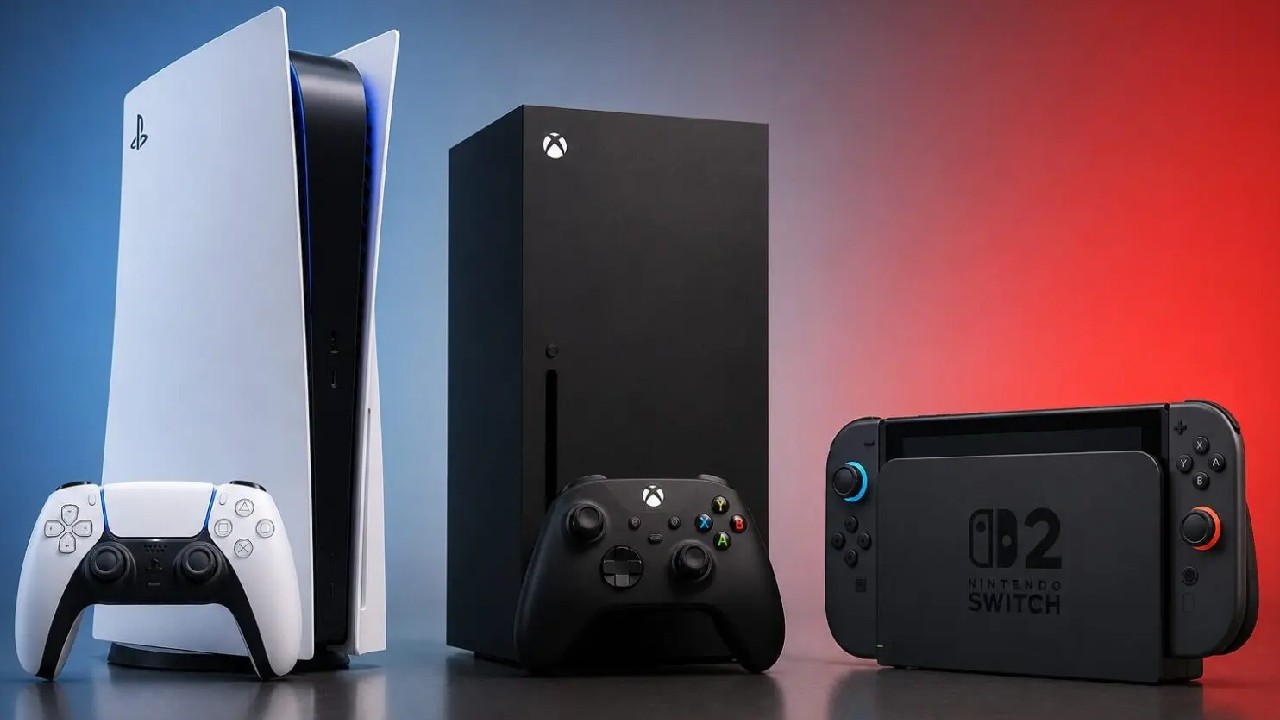
But the problem is larger than just costly games. Console prices are rising, big studios are laying off staff, and the question of physical game ownership hangs in the air. The industry could face a difficult period over the next few years, with so many problems emerging at once.
With these concerns in mind, Nintendo might actually be in a better position than its competitors.
This is not to say the company is above criticism, especially regarding its game pricing and release schedule. But its approach to hardware, software, and game development could help it survive in an industry increasingly centered on expensive technology and increasingly realistic graphics.
The gaming industry might be facing a crash, a thought that may seem a bit far-fetched, but lately there have been plenty of reasons for players to worry. The first big worry is the cost of future consoles. Some say the PlayStation 6 could cost around $1,200, with RAM and SSD parts alone adding more than $680 per console. The figures are still unconfirmed, but with rising hardware costs, it is hard to rule out the possibility completely.
To put these concerns in context, here is what Sony is currently charging. The company has already increased prices on several PlayStation products, with the PS5 Pro reportedly rising from $749 to $899. The PS5 Slim has also risen from $549 to $649, and the digital-only PS5 from $500 to $600. The PlayStation Portal has also gotten more expensive, from $200 to $250.
Even if the rumored launch price is off, these increases make a $1,200 PS6 less far-fetched. It is already a major investment just to get into this generation, and the next generation may cost even more.
Microsoft has similar worries.
Sources say the company's next Xbox console is slated for a 2028 launch, with internal predictions placing its price between $1,200 and $1,800. Game Pass is also reportedly preparing for a major overhaul, while Microsoft's next-generation handheld is expected to arrive during the holiday season of 2027.
Building a gaming PC isn't necessarily a cheaper alternative anymore, either. A capable system can cost between $1,000 and $1,800, depending on its components and performance goals. Even the rumored Steam Machine pricing has become part of the wider discussion about how expensive gaming hardware could become.
Gamers who built their PCs before the latest price increases might have secured powerful systems for considerably less. However, anyone trying to build a new machine today could face a much higher bill, especially if RAM prices keep climbing.
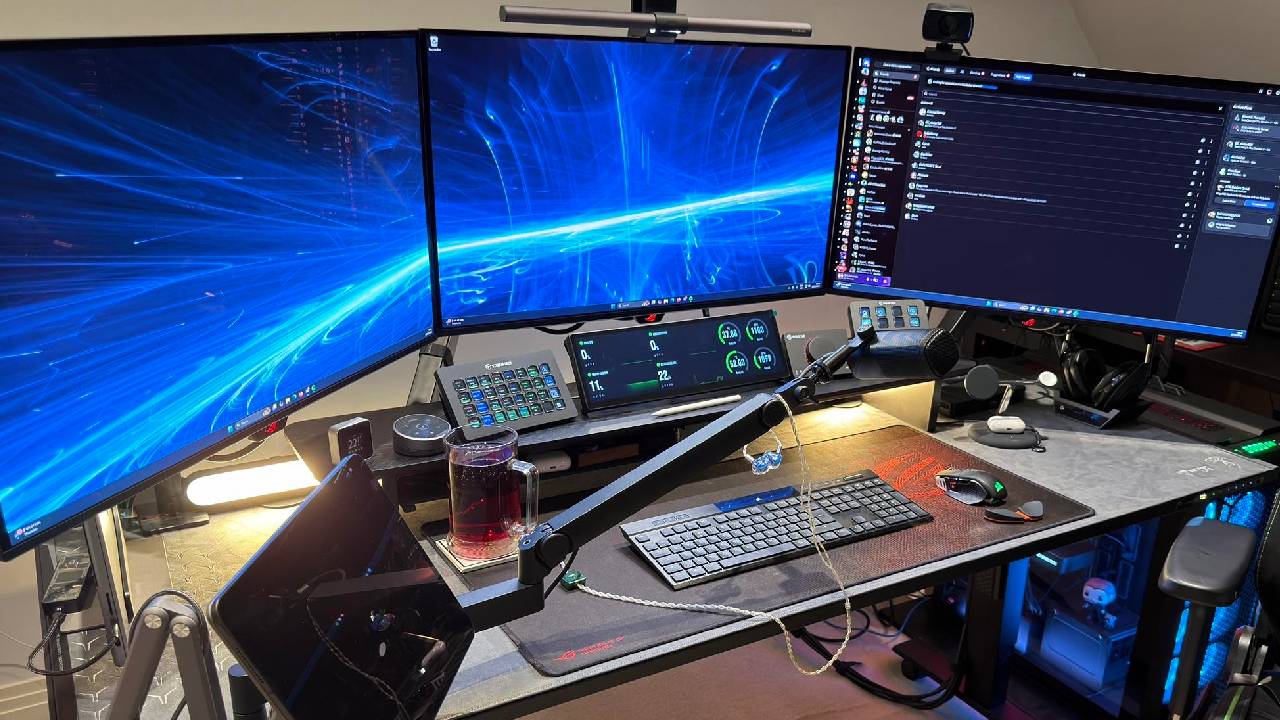
Hardware isn't the only problem. The industry has also experienced repeated waves of layoffs, studio closures, and canceled projects, leaving developers and players uncertain about what comes next.
EA is reportedly cutting around 400 jobs, while concerns about the future of established development teams have intensified.
BioWare, the studio behind Dragon Age and Mass Effect, has also become part of the discussion surrounding the industry's difficulties. Claims that the next Mass Effect game has been canceled have circulated alongside these concerns, but no official announcement has confirmed it.
Epic Games has also cut hundreds of jobs, including developers who have been working on Fortnite for years. The growing talk about artificial intelligence has added another layer to the situation, with companies increasingly looking for ways to cut costs and change their development processes.
These developments concern players because the consequences extend beyond job losses. When veteran devs leave, studios shut down, or projects get scrapped, the games you've waited years to play can get delayed or never appear at all.
Another concern is physical games. PlayStation's plans for physical media going forward have been frustrating, while Xbox has already moved further toward a digital-focused business model. As digital purchases rise, players risk losing some of the ownership and flexibility physical copies have traditionally provided.
All of this makes for a tough picture for an industry that has spent years chasing more powerful hardware, increasingly realistic graphics, and bigger productions. Those ambitions require substantial budgets, longer development cycles, and expensive technology. Eventually, however, improvements become harder to justify against rising costs.
This is where Nintendo's approach becomes particularly interesting.
Nintendo has been facing a lot of criticism since the Switch 2 was released. Some players have complained about $80 games, Game Key Cards, and the company's decisions on competitive gaming tournaments for titles like Super Smash Bros. and Mario Kart. Others have been let down by the software lineup, saying the console still hasn't delivered some of the big releases they expected.
Despite its potential, Mario Kart World has also drawn negative reactions, with some questioning the game's design and overall execution. The game has its strengths, but its shortcomings have fueled arguments that Nintendo needs to do more to justify its premium pricing.
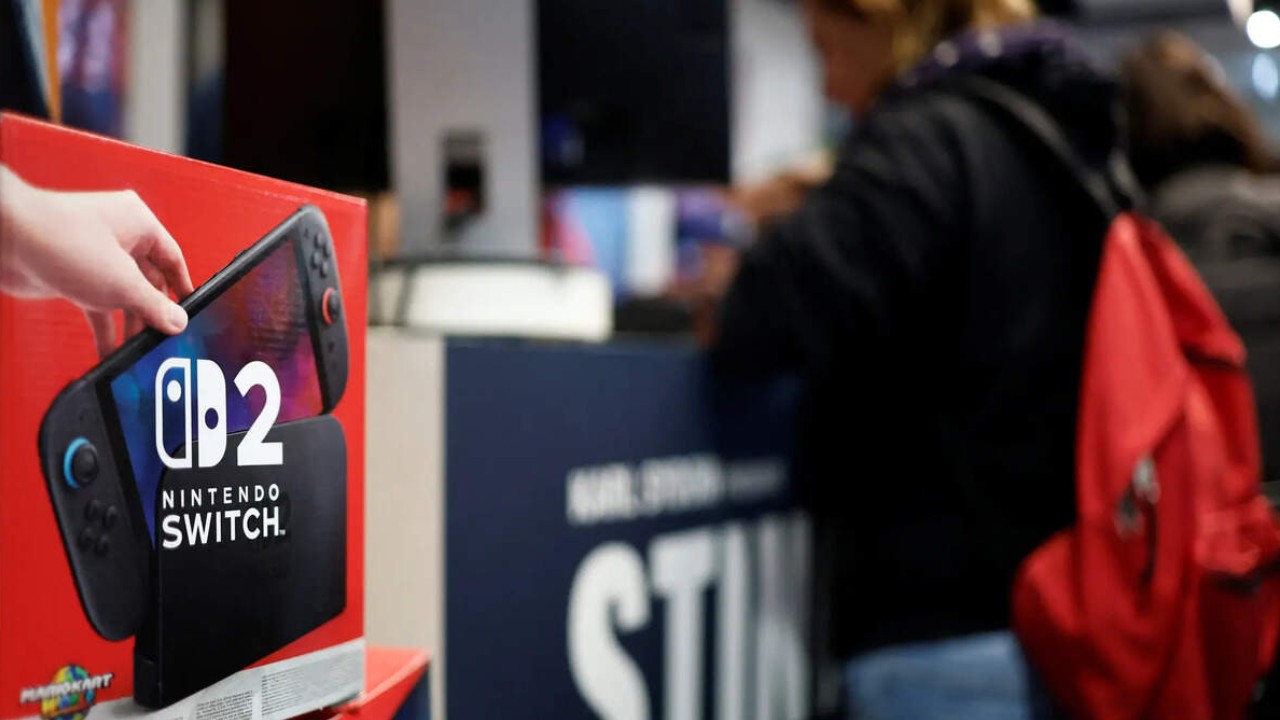
But Nintendo's problems don't necessarily mirror companies facing expensive hardware, massive layoffs, and increasingly costly development cycles.
Nintendo's big win is that it keeps making colorful, approachable games that don't have to be photorealistic. Franchises like Super Mario, The Legend of Zelda, and Kirby offer experiences distinct from the realistic shooters and cinematic adventures that dominate much of the industry.
The previous PlayStation and Xbox generations also had a ton of unique platformers and character-driven adventures like Crash Bandicoot, Sly Cooper, Ratchet & Clank, Jak and Daxter, and Banjo-Kazooie. Many of these games succeed because of their gameplay, personality, and art direction, not because they show off cutting-edge technology.
Nintendo has continued to grow its business on that philosophy. Its hardware may not always match the most powerful systems, but its games often have recognizable visual styles and carefully designed mechanics.
That approach may prove even more valuable as hardware costs rise. If players can have memorable experiences without the most powerful console on the market, Nintendo may have an edge over companies whose products rely more on expensive technology.
The release strategy also gives players more incentive to stay engaged.
Some publishers have only a few big releases each year, but Nintendo pads out its major games with smaller projects, spin-offs, ports, remakes, and remasters. Not every release gets the same attention, but the steady stream of games keeps interest in its platforms.
The Switch 2's $450 price also seems reasonable compared with the rumored costs of future PlayStation and Xbox systems. Although Nintendo's hardware isn't the most powerful option available, it combines handheld convenience with access to a growing software library. For players who want to enjoy games without spending well over $1,000 on hardware, that combination could become increasingly attractive.
Nintendo's approach to development and employment has also been under scrutiny. While the company has maintained its identity in a field increasingly interested in generative AI, broader policies and future decisions should rest on confirmed information, not assumptions.
Still, Nintendo isn't completely insulated from the industry's larger problems.
Some players still struggle to justify its $80 games, and the gap between major releases can frustrate fans eager for new entries in established franchises. No matter how well the company manages its other projects, some legitimate criticism remains about taking a decade to deliver another mainline Mario Kart or a new 3D Mario game.
Nintendo also appears to be encouraging digital purchases by pricing some digital releases $10 below their physical equivalents. However, physical games remain an important part of its business, and the company has not announced plans to abandon the format entirely.

That distinction matters because Nintendo's future shouldn't depend on pretending every decision it makes is correct. You can play the company's games and complain about its pricing, release schedule, and attitude to physical ownership. Both Sony and Microsoft need to be held to the same standard as their hardware and services become more expensive.
At the end of the day, the gaming industry has a tough balancing act. Gamers want better graphics, bigger games, and more powerful hardware, but they also want fair pricing and a steady stream of quality releases. Companies can easily find development budgets and hardware costs spiraling as they try to meet every demand at once.
That could make the next five years especially difficult.
Publishers may be forced to re-evaluate how they make and sell games because of rising component prices, studio closures, layoffs, and increasingly expensive consoles. The industry is not fated to collapse, but the path we are on raises legitimate questions about whether the business model can be sustained.
Nintendo may not be the only big gaming company left standing. Still, its focus on unique games, relatively cheap hardware, and a wide variety of releases may help it weather the storm. Its biggest challenge will be maintaining those strengths without losing the franchises and features fans expect.
The company still has plenty to prove with the Switch 2. Nintendo's industry still struggles with rising costs as players await the next 3D Mario adventure, along with other major releases.
Whatever happens to gaming in the next few years, one thing is certain: gamers shouldn't have to fork out a fortune to enjoy their beloved hobby. If Nintendo wants to stay ahead of the curve, creating the next great 3D Mario game is a good place to start.
Senior Editor, NoobFeed
Latest Articles
No Data.