
PS6 Could Cost Up to $1,500 as Rising Hardware Prices Put Sony's Next Console at Risk
New estimates suggest that RAM and SSD costs alone could exceed $680, raising concerns that the PlayStation 6 may become too expensive for the average gamer.
News by Mahi Araf on Oct 18, 2026
At one point, console prices were expected to fall as a generation wore on and hardware got cheaper over time. However, the market is heading in the other direction, with rising prices becoming an increasingly common concern for players. AI data centers gobbling up memory, tariffs jacking up hardware prices, and manufacturers re-evaluating their pricing models all mean buying a new console is a much heavier financial commitment than it once was.
Now, the PlayStation 6 could take that problem to a whole new level. Previous estimates put the next Sony console at around $1,000, but new hardware-cost estimates suggest even that could be optimistic. Hardware leaker Kepler L2 on NeoAF shared that component costs have risen significantly, possibly pushing the console's retail price to over $1,200 and even close to $1,500.

These numbers are not an official pricing release from Sony, and the final retail price is yet to be known.
But they do underscore the financial challenges facing the company as it prepares for its next generation of hardware. If these estimates prove accurate, the PlayStation 6 could launch when many gamers are already struggling to justify the cost of upgrading their existing systems.
In March, estimates suggested manufacturing the PlayStation 6 would cost Sony about $760. At the time, some believed the company might absorb part of that expense and subsidize the hardware to bring its retail price down to around $700. Although that already seemed optimistic, it offered hope that the next generation would remain within reach for many consumers.
However, given the current pricing of Sony's existing hardware, expecting the PS6 to launch for $700 was always going to be difficult. The PlayStation 5 has already become more expensive in several markets, while the PlayStation 5 Pro retails for $900 in the United States. It's also hard to find one at that price, with some resale listings reportedly fetching more than $1,300. In some areas, even used systems have been commanding high prices.
Things got worse in July, when newer estimates allegedly pegged the PlayStation 6's material costs at $960, roughly $200 more than the previous estimate. The spike signals strain across the wider hardware market, especially for memory, driven by AI infrastructure.
AI companies are investing heavily in data centers, and those facilities require huge quantities of memory and other computing components.
That demand is pulling resources away from manufacturers and adding strain to components that also go into consumer electronics. Major companies across industries are investing in AI, which also drives demand for the hardware that powers these services.
This puts console makers in a bind. Even if Sony wants to keep the PlayStation 6 affordable, it can't avoid the costs of acquiring the components it needs. To make matters worse, the $960 estimate you see reported doesn't even include the full cost of making and selling a finished console.
Kepler L2's reported breakdown suggests the RAM and SSD alone would cost over $680 at current prices. That is an enormous amount to spend on just two parts of a machine that also needs a GPU, CPU, cooling system, casing, controller, power cable, HDMI cable, and other components.
Sony must also account for manufacturing expenses before the system reaches store shelves.
With those additional costs, total manufacturing expenses could push toward $1,200 or $1,300, depending on the final hardware configuration and the prices Sony pays for its components. The company would then set the consumer price based on its commercial strategy and other costs.
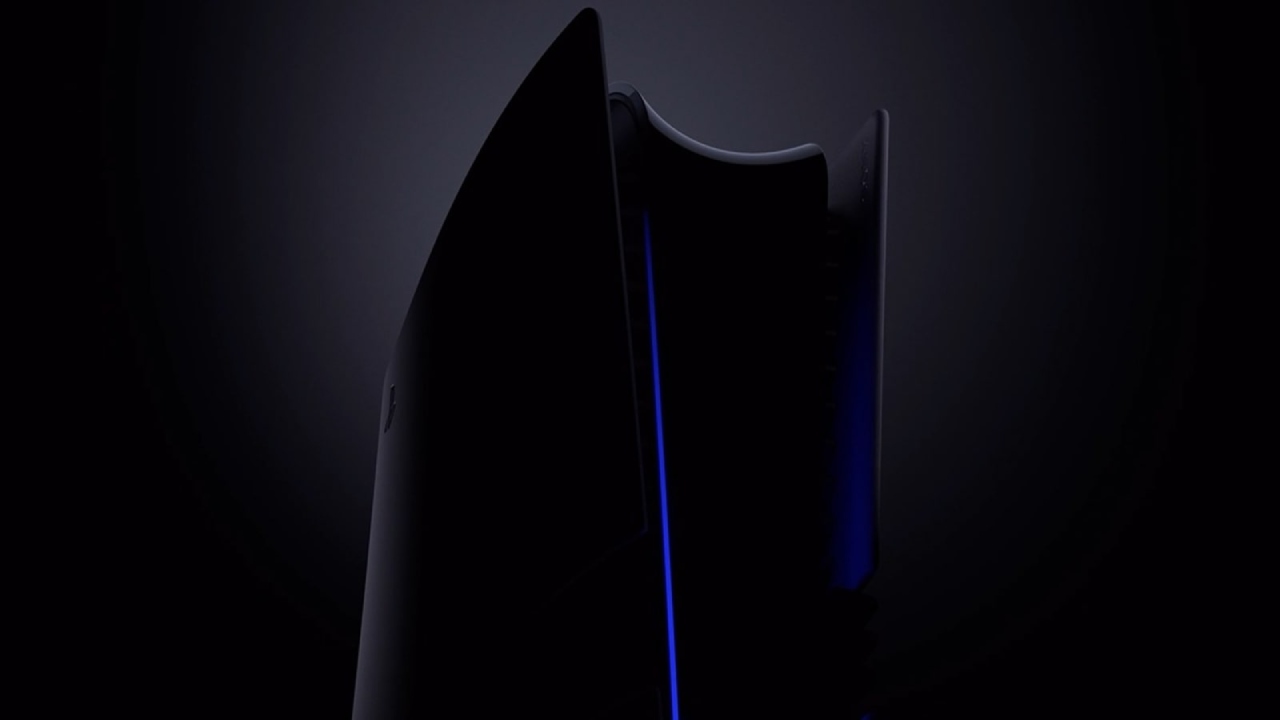
These are projected costs, not a confirmed retail price. Sony has not announced that the PlayStation 6 will cost $1,200, $1,300, or $1,500. That said, the estimates show why a $1,000 console isn't necessarily the worst-case scenario.
Another problem with relying on today's estimates is that component prices can change before a console reaches the market. As manufacturing continues and Sony prepares for a potential launch, the cost of obtaining memory and other hardware could rise further or eventually fall. The cost to make a console today doesn't mean it will cost the same to make months or years later.
If pressure on memory supplies continues, Sony could face even higher costs by the time the PlayStation 6 launches.
That could influence the launch price and make it harder for the company to reduce it later. Although the eventual trajectory of AI-related demand remains uncertain, there is little reason to assume that hardware costs will quickly return to previous levels.
The consequences would extend beyond Sony. Microsoft's Xbox Series X and Series S could also see further price increases if gaming hardware manufacturing costs keep climbing. Microsoft's upcoming Project Helix presents a somewhat different situation because it is expected to combine console and PC-style features, although its final specifications, pricing, and business model remain unclear.
By contrast, the PlayStation 6 is expected to follow the traditional home console approach. If it arrives at a price of $1,300 or more, Sony could find itself trying to sell a premium gaming machine to an audience increasingly sensitive to the cost of new hardware.
That brings up a fundamental issue with launching an expensive new console: people buy gaming systems to play games, and the PlayStation 5 already offers access to a large library of titles. Popular games such as Fortnite and Roblox continue to attract younger players, and they do not necessarily need a new generation of hardware to enjoy them.
The same concern holds for future releases.
If developers keep supporting the PS5 alongside the PS6, many players may have little reason to upgrade right away. Cross-generational releases could give publishers a larger audience to market to, but they could also remove one of the main reasons consumers buy Sony's next console.
The PlayStation 5 generation isn't going anywhere overnight. Developers have spent years building an audience on the existing platform, and supporting it could make commercial sense for years after the PS6 arrives. It wouldn't be a shock if big games kept coming out on the PS5 well into the next generation, especially if the newer system's price puts it out of reach for many households.
Third-party publishers would also have a financial incentive not to make their biggest games exclusive to an expensive new console. They want to sell games. Releasing a game for a system with a small install base limits how much money you can make. If people aren't willing to buy the PS6, publishers would rather keep supporting the PS5 than lose millions of existing players.
To address that, Sony might subsidize hardware or invest in exclusive games that incentivize consumers to upgrade.
Both, however, would involve additional financial risks. That would mean absorbing even more of the manufacturing cost of an expensive console and investing more in a platform that might not build an audience for major exclusives.
So, the possible cost of the PS6 cannot be considered in isolation. High retail prices could impede adoption and discourage developers from prioritizing the platform. This would make the system less attractive to consumers, and Sony would find it increasingly more difficult to break the cycle.
Another question is what the PlayStation 6 would need to make such a high cost worthwhile. Improvements to ray tracing, path tracing, lighting, frame rates, and refresh rates could pave the way for more sophisticated gaming experiences in the future. But the visual gap between generations may not be enough on its own to get most players to shell out $1,400 or $1,500 on another console.
Graphics will keep getting better, but it's harder to justify those improvements when the cost to enjoy them exceeds what the average consumer can pay.
For many gamers, paying rent, electricity bills, insurance, and other day-to-day expenses matters more than buying a new gaming system or graphics card. Even the most dedicated enthusiasts who usually upgrade their hardware might be a little more reticent when the financial gulf between generations is so wide.
Concerns about technological obsolescence also matter. Some PS6 features might not be as cutting-edge when it launches, but that doesn't mean Sony should rush it out the door. Launching sooner may not solve the problem if the consumers can't afford the hardware. A slower transition would give the market more time to adjust, but it would still force Sony to weigh development costs against its long-term plans.
For now, the PS5 remains a platform with an established audience for Sony and an opportunity to deliver more of the games players expect from the PlayStation brand. Many longtime fans are still waiting for more exclusives and the return of classic franchises from the PS3 and PS4 eras.
That is an important consideration when discussing the next generation.
The demand for another console is not necessarily as urgent as the demand for more compelling games on the hardware people already own. If the PS5 keeps getting meaningful support and the library grows, Sony might have a better reason to extend the current generation than to push consumers toward an ever more expensive upgrade.
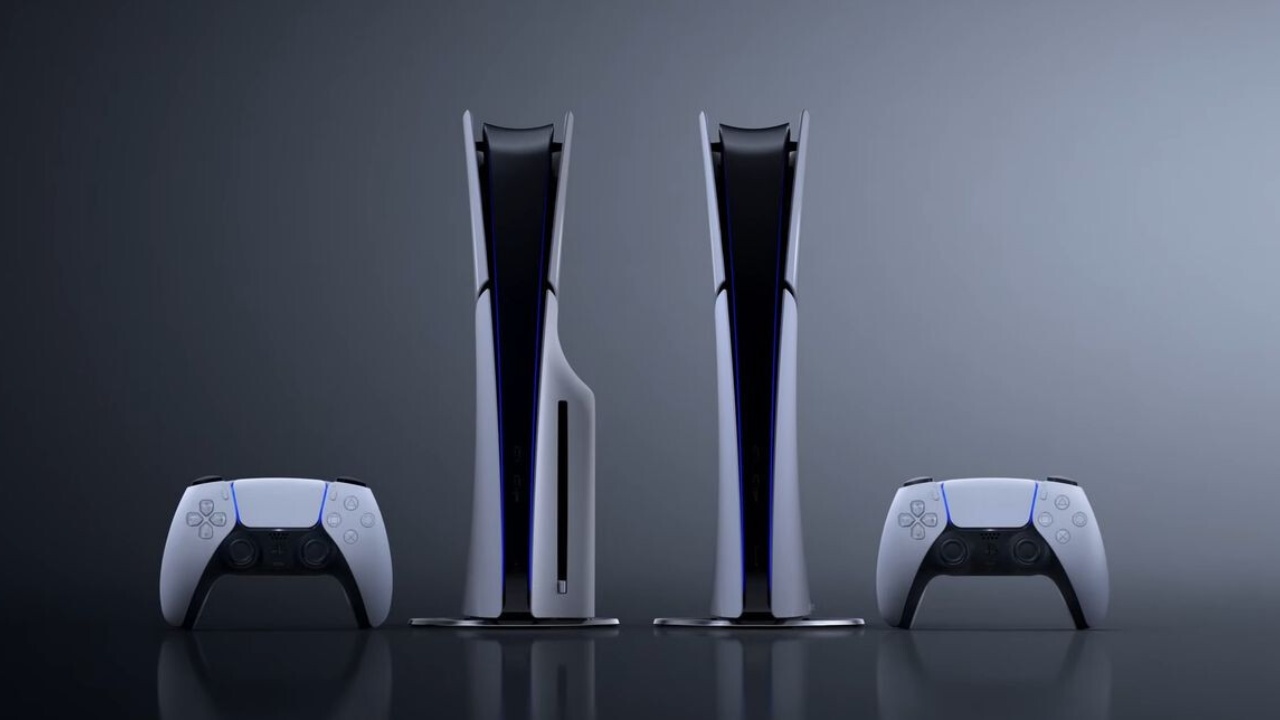
Ultimately, the PlayStation 6's final price will depend on decisions Sony has yet to reveal, as well as how hardware costs develop before launch. The current estimates should not be treated as confirmation that the console will cost $1,500, but they do show how rising component prices could complicate the next generation.
If Sony cannot keep the system affordable, it risks launching a console with better technology but not enough practical reasons for the average player to buy it. With many consumers already paying more for gaming hardware, the company may have to rethink its timing, pricing strategy, and approach to cross-generational support. Perhaps it's smarter to extend the PlayStation 5's lifespan rather than force players to spend much more on a new console before they're ready to jump.
Senior Editor, NoobFeed
Related News
No Data.