
PS6 Component Costs Could Drive Launch Price Toward $1,500
Rising memory and storage prices could push Sony's next console into unfamiliar territory, raising questions about affordability, adoption, and the future of cross-generation games.
News by Adeela Tas on Oct 18, 2026
A $1,500 PlayStation is hard to justify, especially when consoles have always been cheaper than a gaming PC. But the cost of modern components is blurring that comparison. Recent estimates suggest the PS6 could arrive with a parts bill high enough to make a four-figure price believable, and even $1,500 is starting to look like something worth taking seriously.
One estimate puts the console's RAM and solid-state storage alone at more than $680. A separate calculation from a hardware insider puts the full component cost at close to $1,000. Sony would still have to pay for assembly, packaging, shipping, retail distribution, and support on top of that.
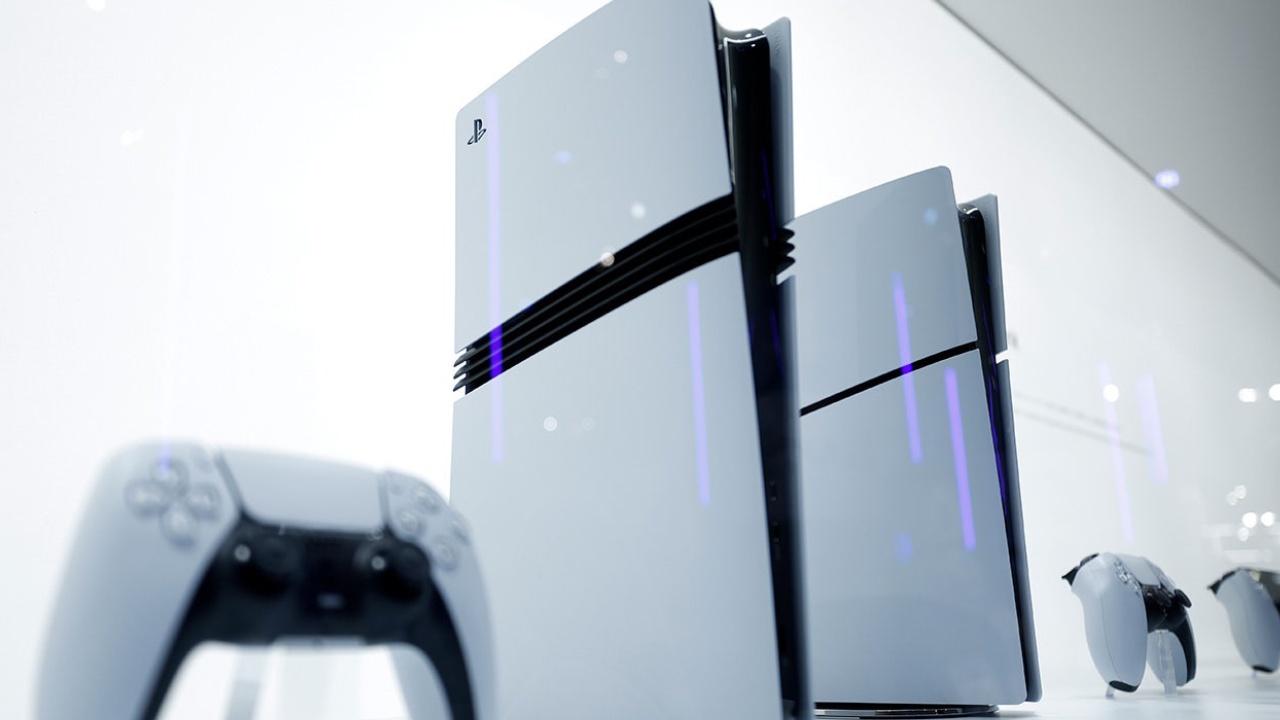
Selling a machine at the price of its parts would leave all of those expenses uncovered.
A $1,000 parts estimate doesn't automatically mean a $1,000 price tag. Once you add the rest of the business, the final retail cost could end up higher. Sony can't skip these as optional extras and add them later, either. Memory and storage are essential to the system, so there's no realistic version of a new console that launches without them.
Before Sony fully explains the hardware or shows what its games can do, the reported cost of these components alone points to a tough pricing problem for the PS6. The usual answer to an expensive console is to build a PC instead. That advice only holds up if the parts are affordable at today's prices. A shopping list based on older prices can mislead you about what a comparable machine costs now.
Take one PC build, for example. A graphics card with 16 GB of memory can run around $800, while 32 GB of system RAM may cost close to $500. Add a 2 TB SSD for another $300, and those three parts alone come to about $1,600. You still need a processor, motherboard, power supply, case, and cooling. With those included, the whole build can climb past $2,300.
That changes how the PS6 value and gaming PC comparison plays out. Someone weighing a possible $1,500 console against a PC shouldn't look at the console's price in isolation and ignore what it costs to put together a gaming system with similar capabilities.
The PC may have other advantages, but you have to include its price in the comparison.
One player who owns both a gaming PC and a PS5 Pro says their computer, which cost more than $2,300, barely matches the console's gaming experience in the titles and settings they use. That's one person's experience, not proof that every game performs the same across platforms, but it pushes back on the idea that spending more automatically gets you a dramatic improvement.
If the PS6 is a big leap over the PS5 Pro, matching that performance on a PC could take an even larger budget. At a suggested retail price of $1,500, the PS6 might actually look fairly inexpensive next to a computer that can deliver a similar experience. That doesn't make the console cheap in everyday terms. It just means price and value are two different questions.
You can reasonably dislike paying $1,500 for a PlayStation and still accept that a comparable PC might cost much more. Telling people to build a computer doesn't help if similar gaming performance costs even more. It also depends on what you need the machine to do.
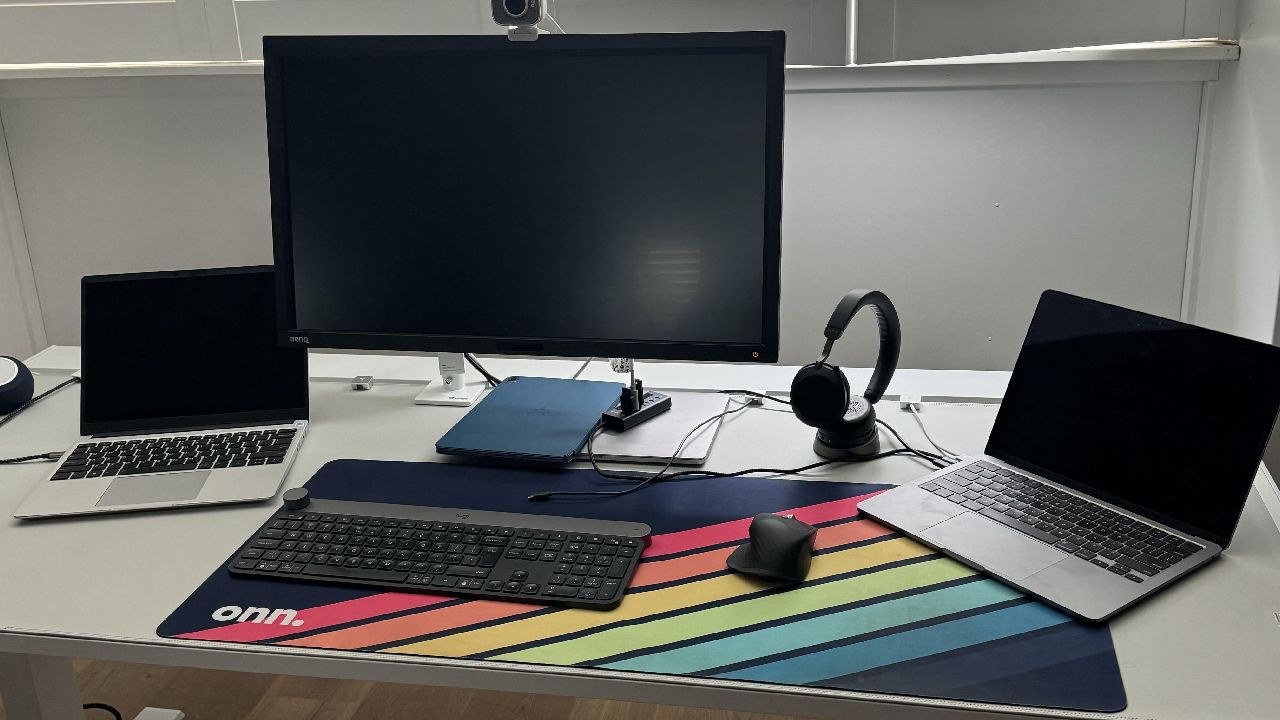
A PC can be a work computer, an editing system, and a gaming platform all at once, so its wider usefulness may justify the cost for some buyers. If you just want a box under the TV for gaming, raw performance per dollar matters far more. Consoles also keep things simple.
Sony picks the hardware, developers build toward a known specification, and players can usually install a game, grab a controller, and start playing without assembling anything or fiddling with settings. PC owners may enjoy that flexibility and the chance to tinker, but plenty of people don't want to deal with those choices.
Convenience is part of what you're paying for, too.
Even if the PS6 turns out to be a strong value, a $1,500 price still won't be within reach for everyone. You can break down the component costs and show that a similar PC costs more, but that doesn't help someone who doesn't have $1,500 to spend.
Dedicated enthusiasts will probably create strong early demand, but they're only one slice of the market. Sony and Microsoft eventually have to reach people who don't follow hardware news or compare graphics performance. Think of parents shopping for a holiday gift, or players who mostly use their consoles for football games, Call of Duty, and GTA. For them, the console they already own may do everything they need.
Aiming for millions of sales in the first year takes more than selling to the people who rush to pre-order. At $1,200 or $1,500, many ordinary customers may stick with their current console because it still lets them play the games they enjoy with friends. Better lighting and performance are hard to justify when the upgrade costs more than a family trip.
That hesitation could also affect game development. If fewer players move to the new hardware, publishers have good reason to keep releasing games for PS5 and XBOX Series consoles. Those older systems would still represent a huge audience, and developers need enough potential buyers to make big releases worthwhile. But continued support for the older consoles also gives people less reason to upgrade.
If the games they want are still available on their current system, waiting is an easy call.
The cycle could repeat the current generation's frustration, as players wait for developers to move on from older hardware. A pricey launch could drag that transition out even longer. Someone who spends a lot on a new console may expect games that feel like a clear step forward, only to find that many releases still have to run on systems launched in 2020.
Better visuals may not feel like enough of a reward when the machine costs so much. Microsoft may struggle to convince customers to buy its next XBOX at that price. It would have to explain what the system offers, which games make it worth buying, and why those benefits are worth the expense.
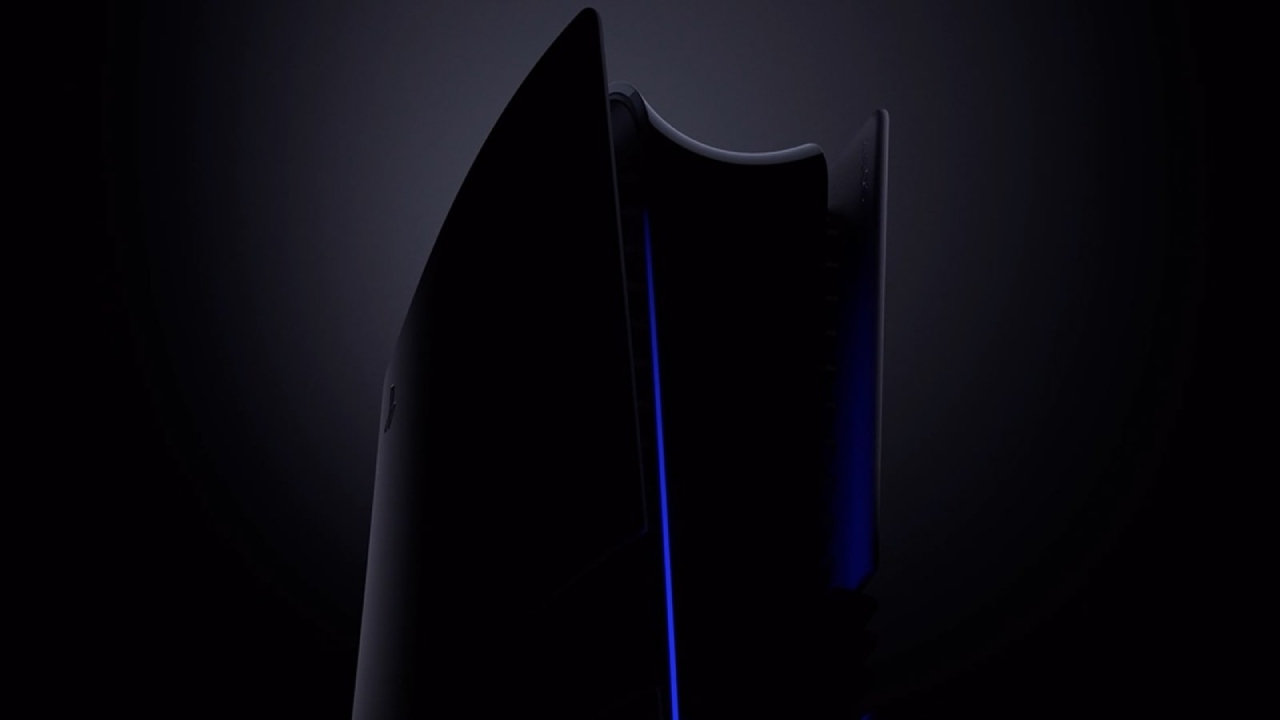
Sony will need to make an equally clear case for the PS6. Neither company can rely on brand loyalty or promises of future releases alone when it asks people to spend this much. A launch sellout wouldn't necessarily prove a high price is sustainable. Early stock might be limited, and enthusiasts could snap up the first batch fast.
The more telling test comes in the months afterward, once the pre-order rush dies down. Sales would have to hold up during ordinary weeks, not just during launch excitement. What matters is whether people keep buying the new hardware or just pick up another game for the console they already have. So the next generation could have a rough road even if the technology is impressive.
A $1,500 PS6 might compare well to an equivalent gaming PC and still get off to a slow start because many in the audience can't afford to upgrade.
Stronger performance doesn't add much to a household budget. That leaves Sony and Microsoft with a tricky balance to strike as the PS6 gets closer. They need hardware powerful enough to feel like a real step forward, but prices that give ordinary players a reason to leave their current systems behind.
If the launch price climbs too high, the industry could end up with excellent new consoles that take years to reach a broad audience. In that case, expensive hardware wouldn't just hurt sales; it could shape how long developers support the previous generation and how quickly the next one truly gets going.
Editor, NoobFeed
Related News
No Data.