
Dynamic Resolution Scaling: Why PC Gaming Still Favors Fixed Upscaling
Dynamic resolution scaling faces several challenges on PC due to diverse hardware configurations, monitor refresh rates, and individual performance targets.
Hardware by Tanvir Kabbo on Oct 17, 2026
Upscaling is a staple of PC gaming today, letting GPUs hit higher frame rates without rendering each frame at the display's native resolution. However, while AMD, Intel, and NVIDIA all offer advanced upscaling, dynamic resolution scaling (DRS) remains a less common baseline feature on PC. Devs often use this strategy on consoles because they can change the internal resolution to maintain a target frame rate.
On PC, the situation is more complicated because hardware configurations, display refresh rates, and performance requirements vary widely.
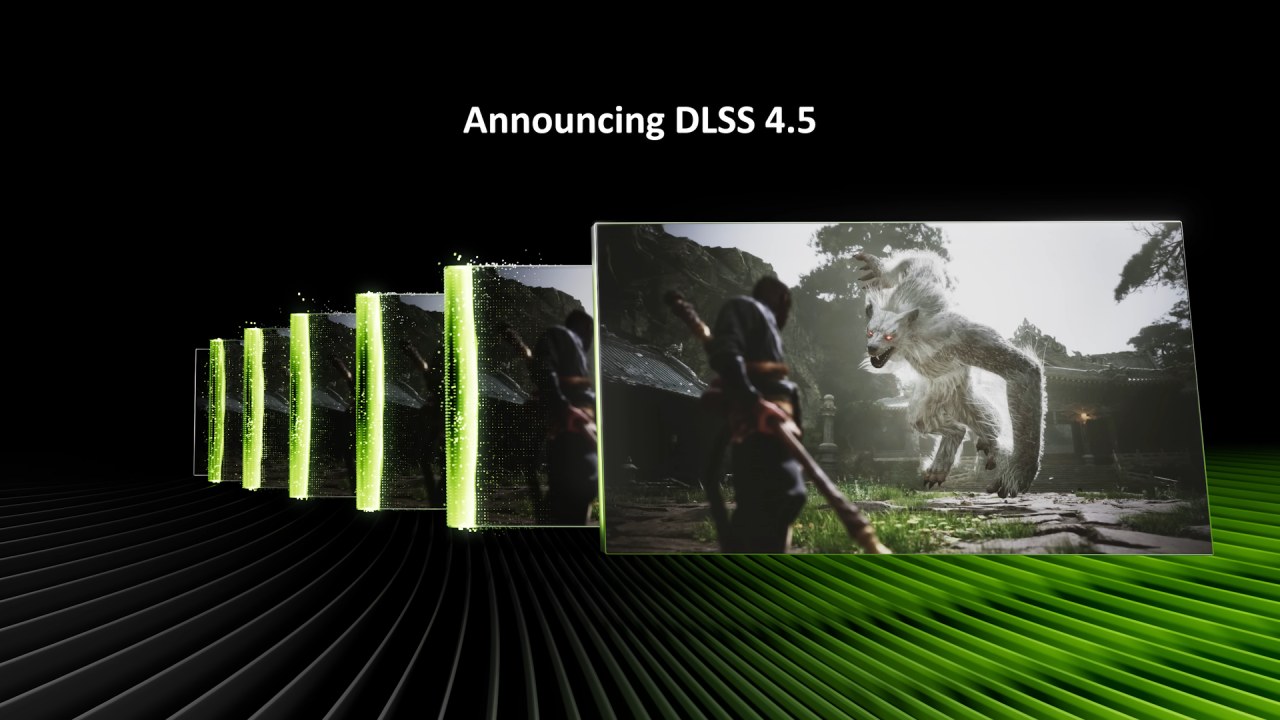
Console Gaming Makes Dynamic Resolution Scaling Easier to Implement
Dynamic resolution scaling adjusts the game's internal resolution based on available GPU power; when the GPU has less work to do, the resolution can increase to improve image quality. If the workload increases, the resolution decreases to maintain an appropriate frame rate.
On consoles, developers usually aim for a set frame rate, such as 30fps, 60fps, or 120fps. These are generally tied to television refresh rates, so performance requirements are predictable. The hardware is fixed. The CPU and GPU capabilities are known. Developers can optimize resolution scaling around a well-defined performance target.
It's a separate PC environment. With variable refresh rate (VRR) becoming more widespread, players are less locked into a single frame rate target. A gamer utilizing a 165hz monitor might want maximum performance but not need the game running at 165fps all the time.
PC Hardware Makes Frame Rate Targets More Complicated
The PC gaming platform has more factors that make consistently implementing dynamic resolution scaling more difficult. Different graphics cards, processors, resolutions, and display refresh rates offer a considerably wider range of performance requirements.
For example, a game on a typical PC might run between 60fps and 80fps on a 240Hz display. In this case, dynamically adjusting the resolution to the monitor's maximum refresh rate might not be practical.
However, developers would need to add more configuration options, such as letting players choose their preferred frame-rate targets, minimum and maximum resolution scales, and other performance settings. This flexibility could improve the experience, but it would also increase development complexity and might mislead customers who want their games to run smoothly.
Dynamic Frame Generation Offers a Potential Alternative
Another possible technique to tackle the problem is dynamic multi-frame generation. Rather than just upscaling, this technique adds frames on the fly so the game can match the monitor's refresh rate. This method works especially well on PC, as Gears E-Day showed. Dynamic frame generation can also work with dynamic DLSS, which adjusts output based on performance needs.
The solution allegedly provides a fairly consistent experience at roughly 160fps, with frame generation helping the game hit close to the required refresh rate. In this setup, V-Sync was also enabled to show how display synchronization affects the overall experience.
This technique could benefit PC gamers who want to get the most performance out of their monitor's refresh rate range and use VRR to smooth out the bumps. But frame generation is different from DRS, and its success depends on implementation, latency, and underlying render speed.
Neural Upscaling Reduces the Benefits of Resolution Adjustments
Another crucial concern is the processing cost of current neural upscalers. Reconstruction techniques like AMD's PlayStation-focused PSSR and NVIDIA's DLSS show how image quality can improve without rendering every pixel natively.
These technologies add their own processing cost that can be rather constant regardless of rendering resolution. If an upscaler takes the same processing time, lowering internal resolution doesn't necessarily give the same speed boost classic DRS solutions could.
The advantages of adjusting internal resolution for frame time management could be further reduced by future neural networks operating on game images at output resolution. As these systems mature, developers might find additional performance-management avenues that rely less on dynamic resolution scaling.
Dynamic Resolution Scaling Still Deserves a Place on PC
Even with these problems, DRS remains a viable solution for PC games. Some titles already use dynamic resolution scaling, showing the approach can function beyond consoles. However, implementation needs tuning for varied hardware setups and player preferences.
Ultimately, fixed-ratio upscaling offers developers a simpler solution, while dynamic resolution scaling provides more flexibility at the cost of added complexity. No one-size-fits-all setting exists because PC gamers have varied displays and performance goals.
Dynamic frame generation may one day offer a more flexible option, letting games approximate individual monitor refresh rates without relying entirely on changes to internal resolution. Both methods remain useful for now, and wider use of dynamic systems could give PC gamers more choice in balancing visual quality and performance.
Senior Editor, NoobFeed
Gaming Hardware Updates
No Data.