
Can Game Studios Actually Shorten Future Development Cycles?
Major studios say their next games will arrive faster, yet bigger ambitions and feature creep could keep players waiting.
Games by Adeela Tas on Oct 18, 2026
If you were a kid playing big series games, you probably remember sequels coming out a year or two after the last game. You had time to finish the story, enjoy the improvements, and move on to the next release without losing track of the characters. Games like Uncharted and Kingdom Hearts used to release entries at a consistent pace that was easy to keep up with.
That rhythm is pretty much gone. Today, you could wait years for the next chapter, forget important story details, and have to replay the previous game to remember where things left off. As development cycles stretch out, the bond between players and the franchises they follow can loosen, and every new release starts to feel like a much bigger event.

That’s what makes the recent promises from big developers so noticeable: after spending six, seven, or even eight years on major projects, several studios say their next games will take far less time. Gears of War: E-Day and the upcoming Fable are two examples of projects that took years to reach players, while GTA 6 has become another symbol of the long wait for blockbuster releases.
Technology is getting harder and harder, good engineers are expensive to hire, and expectations are getting harder to meet.
Shorter game development timeframes sound encouraging, but the real test is whether studios can produce projects faster without spending more time making them bigger. That distinction matters because a shorter production schedule should mean a more efficient path to release, not a bigger project done in the same amount of time.
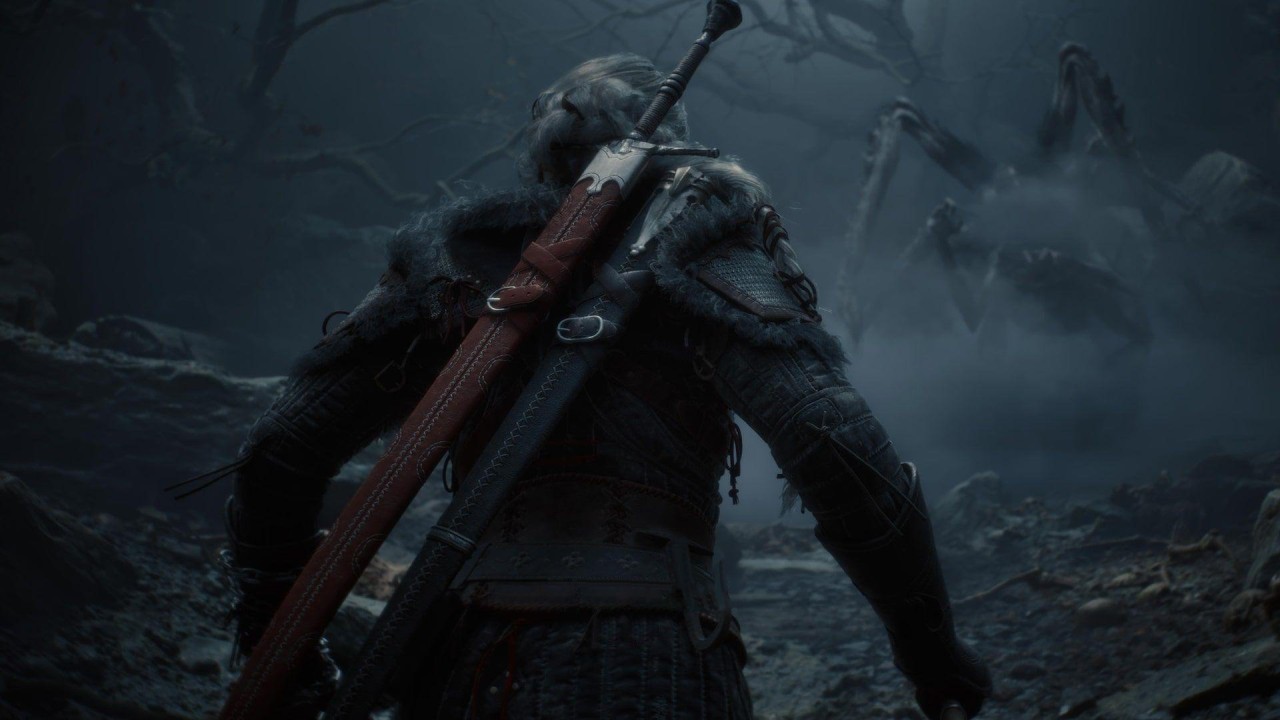
CD Projekt Red has been one of the most prominent examples of this transformation. CD Projekt Red has spent nearly four years building The Witcher 4 in Unreal Engine 5, and the studio says it’s happy with how things are going, especially the progress shown in its technical demo.
The goal is bold: an entire new Witcher trilogy released within six years. That would mean much less time between The Witcher 4, The Witcher 5, and The Witcher 6 than people are used to. The pledge means the know-how gained from the first project might speed up production on the next ones, making them more efficient.
The Coalition felt the same way about Gears of War: E-Day. "The studio said the game is a foundation for future installments and the next one will take far less time to make. Another example is Rebel Wolves. Founded in 2022 by ex-The Witcher 3 creators, signed a publishing deal for The Blood of Dawnwalker in 2024 and released the game in 2026. Other, more remote initiatives are attracting attention.
Will Star Wars: Fate of the Old Republic really not arrive until 2030? Casey Hudson has pushed back on those claims, saying it should come out sooner. Meanwhile, Ken Levine said he wants to deliver a sequel to Judas more quickly by building on the concepts and tools created for that game.
.jpg)
Rockstar made a similar comment about its own process.
It says the engine, tools, and people built for GTA 6 will help the company make future projects more efficient. And its development execs have said the core underlying work is now done, so future games may build on existing technologies rather than tear them down and start over.
One explanation is that teams overlap. So studios like Insomniac have kept cranking out games at a steady clip by having multiple teams work on titles at once. Ratchet & Clank: Rift Apart followed Spider-Man: Miles Morales, which was followed by Marvel's Spider-Man 2.
Staff could shift to another project as one game wound down, letting production grow without starting from scratch. But the approach's potential to reduce dead time depends on proper design and enough staffing.
Obsidian announced a varied lineup including Grounded, Pentiment, Avowed and The Outer Worlds 2, along with updates and downloadable content. Launching so many games at once hasn't always been the successful route, the business said, but its output shows that keeping numerous projects going helps keep releases coming.
The second factor is a move away from proprietary tech.
Unreal Engine 5 powers CD Projekt Red, Rebel Wolves, a nd The Coalition, while other companies, such as those behind Halo, have also opted for the popular software. Developers brought in from abroad may already know the tools and can contribute faster than spending months learning an in-house engine.
That agility is vital in an industry where layoffs and staff relocation often force teams to rebuild their expertise. This common technology might also cut game production time by letting experienced people move from studio to studio and get productive quickly.
The third factor is compounding development, meaning assets and tech get built once and carried into later games. If CD Projekt Red builds a shared base for its upcoming trilogy, it can carry over environments, animations, materials, and more instead of starting from scratch with each new entry. The Trails role-playing series shows how this can keep releases coming at a steady pace, reusing familiar pieces while telling a different story each time.
Artificial intelligence could play a big role, especially when it works behind the scenes. Using generative AI for artwork, character concepts, writing, and narrative design is still hotly debated, with worries about derivative results and the use of other people's creative work. It isn't always the answer to faster output.
More practical uses include programming help, automated playtesting, bug spotting, and code cleanup.
Building the main game is only part of the job. As engineers test systems, find problems, and repeat the cycle until a release is stable, they may spend an inordinate amount of time polishing. This is one area where game development timelines can be drastically shortened.
Better testing and debugging technologies could speed up the development cycle and help release games in better shape. Used well, these tools can make game development timelines more predictable by helping teams catch problems early, when fixing them is less likely to derail the whole project.
Even if these tactics work, faster production could cause a new problem: a market flooded with games. If major studios put out releases more often, packed launch windows could become the rule instead of the rare exception. The biggest hurdle may be the complexity trap.
CD Projekt Red, Rockstar, and the teams under Levine and Hudson have a reputation for taking on huge projects. Developers may feel that a polished, solid game isn’t enough when they could add another story branch, a new mechanic, or a more advanced visual system. Every addition needs more design, testing, and iteration, which can eat up the time the team hoped to save.

Even with better technology, game development schedules could stretch out again, since each new feature brings more design, engineering, testing, and polish.
That's how game development timelines can swell back up, even when production gets more efficient. Better tools alone won't shorten game development timeframes. A team takes about two years to produce the main experience, then spends the next two years adding features until the project becomes exhausting to complete again.
Tools can save time, but they cannot stop a creative team from expanding its scope. That desire to launch three large Witcher games in six years will be a particularly telling test. If CD Projekt Red can get it off the ground and maintain quality, other programmers will have a good example to follow.
More broadly, the industry will have to prove that its increased pipelines lead to actual releases, and not just bigger games. Otherwise, shorter game production cycles may stay a promise, rather than a reality. It's easier to wait three or four years between entries than seven, especially since long gaps can make you forget about a series.
But delivering faster takes more than better engines, shared assets, overlapping teams, or AI-assisted testing. Strong production discipline will determine whether game development timeframes actually shrink. It needs to know when a game is done and not keep adding to it. Remove that constraint and the next generation of games will be quicker to build in theory, but just as sluggish to get into your hands.
Editor, NoobFeed
Latest Articles
No Data.