
PlayStation 6 Leak Raises Questions Over Sony’s Next-Gen Strategy and Physical Discs
New reports point to powerful PS6 hardware, while Sony is reportedly asking developers whether physical games still have a place in the company’s next console.
News by Tahmid Mahi on Sep 25, 2026
The PlayStation 6 is starting to look like an entirely unique proposition from previous PlayStation consoles, with new reports claiming that Sony has already finalized much of the system's hardware. According to the information discussed in the transcript, the console could be heading toward mass production, while its reported specifications suggest a major jump over the PlayStation 5.
At the same time, Sony is allegedly asking developers about the future of physical games and whether a disc drive should remain part of the next-generation PlayStation. Put those details together, and you get a picture of a company dealing with more than just the usual question of how powerful its next console needs to be.
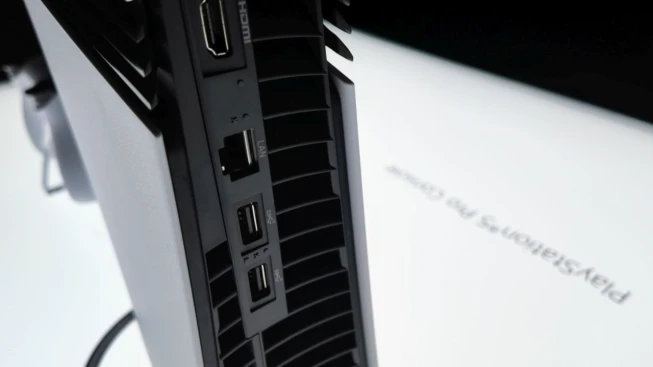
The reported PS6 hardware is already expected to be considerably more powerful than the current PlayStation 5.
The transcript claims that the console could deliver around 40 teraflops of performance, feature 52 active RDNA 5 compute units, and use somewhere between 30 GB and 40 GB of GDDR7 memory. That would make it a significant step forward from the existing hardware, with the PS6 reportedly offering roughly twice the power of the standard PS5.
The difference could reportedly be around 40% in favor of Microsoft's next system when looking purely at raw compute performance. That might sound like a major gap on paper, but raw specifications do not automatically translate into a proportional difference in the way games look or perform.
The transcript points toward optimization as one of the biggest reasons why a more powerful console does not necessarily produce dramatically better-looking games. You can have more hardware available, but developers still have to build and optimize their games around the platform.
That comparison is particularly interesting because XBOX has already released consoles that were more powerful than their PlayStation counterparts. The XBOX One X was more powerful than the PlayStation 4 Pro, while the XBOX Series X also has an advantage over the base PS5 in raw hardware capabilities.
Despite that, the difference in actual game presentation has not simply followed the numbers on the specification sheet. The argument presented in the transcript is that PlayStation's larger player base can encourage developers to spend more time optimizing their games for the platform, which can reduce the practical impact of a raw power advantage elsewhere.
The bigger concern surrounding the PS6, however, may be less about its hardware and more about how much consumers will have to pay for it.
The transcript suggests that the console could cost more than £1,000, with expensive memory and other components contributing to the price. That would put the PS6 in a very different position from previous PlayStation launches, especially if players are already satisfied with the visual quality available on the PS5.
The reported discussions around physical media add another layer to the situation. According to the transcript, Sony has allegedly sent a survey to developers asking about the possibility of moving away from physical games and whether removing discs could create problems for the industry.
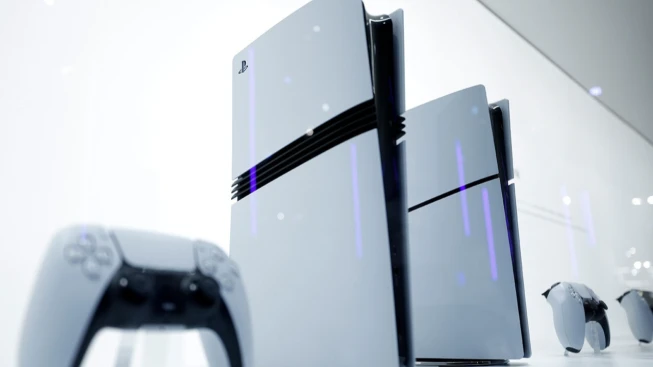
The survey is reportedly larger than similar feedback requests Sony has conducted in the past, suggesting that the company could be taking the subject seriously. If accurate, the discussions would indicate that Sony is considering how much physical media still matters before finalizing the PS6's approach to game distribution.
Physical games are relevant for reasons that go beyond simply owning a disc. The used-game market provides players a cheaper way to enter a series, while buying a used copy of one game can lead someone toward purchasing other games in the same franchise.
Someone who finds a cheap physical copy of Alan Wake, for example, could eventually move on to Alan Wake 2 and then the Control series. A completely digital ecosystem removes much of that used-game pathway and can also make it easier for games to remain at higher prices for longer.
That is why the possible removal of discs could affect publishers and developers in ways that are not immediately obvious.
A physical copy can continue circulating between different players, giving a game additional exposure even after its original sale. The transcript claims that some developers are concerned that eliminating physical releases could ultimately reduce the number of people entering their broader ecosystem, even if a digital-only model offers advantages in terms of upfront profitability.
The discussion also points to reports that Amazon warehouses have destroyed physical game discs, including an example involving Kingdom Come: Deliverance 2. While the transcript does not establish a direct connection between those reports and Sony's PS6 plans, the broader concern is easy to understand.
Moving away from discs would affect more than collectors who simply prefer having boxes on their shelves. It would also impact used-game stores, resale markets, physical distribution, and the wider system built around physical copies.
There are also signs of wider changes within Sony and PlayStation that could influence how the company approaches its next console. The transcript points out that PlayStation has experienced leadership changes, while Sony has also gone through its executive reshuffling recently.
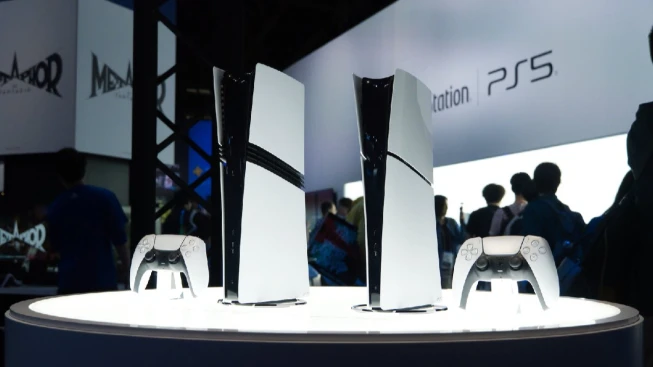
A new generation of leadership can bring different priorities, particularly when a company has to make decisions about a multibillion-dollar hardware investment. For the PS6, those decisions could involve everything from the console's price and disc support to the games available at launch.
One of the greatest challenges is the existing PlayStation 5 install base.
The transcript puts the rough number of PS5 consoles at around 100 million, compared with roughly 30 million XBOX consoles, and argues that Sony needs to figure out how many of those existing players will actually feel compelled to move to the next generation.
A more powerful console does not automatically create a reason for someone who is already happy with their PS5 to replace it. If the PS6 launches without a strong lineup of major games and arrives at a very high price, the upgrade decision becomes considerably more complicated.
The situation is also changing because PlayStation players now have more alternatives than before. Nintendo's Switch 2 offers its library of exclusives, while PC continues to provide greater hardware customization and the potential for higher graphical performance.
The PS6 therefore enters a market where players do not necessarily have to move directly from one PlayStation generation to the next. Sony's challenge is not simply making a more powerful console but giving existing players enough reasons to believe that the next step is worth taking.
For now, the reported PS6 specifications and the alleged developer survey remain part of an unconfirmed picture of Sony's next-generation plans. The hardware could end up being compelling, but the more important question is how Sony combines that hardware with pricing, software, physical media, and its launch lineup.
A console with twice the power of the PS5 can still face a difficult launch if players do not see enough practical reasons to upgrade. The PS6's future, at least according to the information discussed here, could ultimately depend less on how many teraflops Sony can deliver and more on how the company packages the entire experience.
Editor, NoobFeed
Related News
No Data.