
Chinese Memory Manufacturers May Help Ease Rising PC Hardware Prices
Chinese memory manufacturers could introduce new competition, but rising AI demand may continue driving consumer hardware prices higher.
Hardware by Tanvir Kabbo on Nov 09, 2026
PC hardware prices are becoming a major concern for gamers and enthusiasts, especially as surging AI industry demand pressures memory and storage supply. But with powerful gaming systems already on the market, it's hard to resist investing even more in future upgrades. Chinese memory producers could increase competition, but rising AI demand may keep any substantial price relief out of reach for consumers.
Chinese Memory Manufacturers Could Help Ease Supply Pressure
Signs point to a major expansion of memory fabrication in China, possibly bringing more manufacturers into mainstream RAM markets. But increased production does not guarantee significant price improvements for consumers.
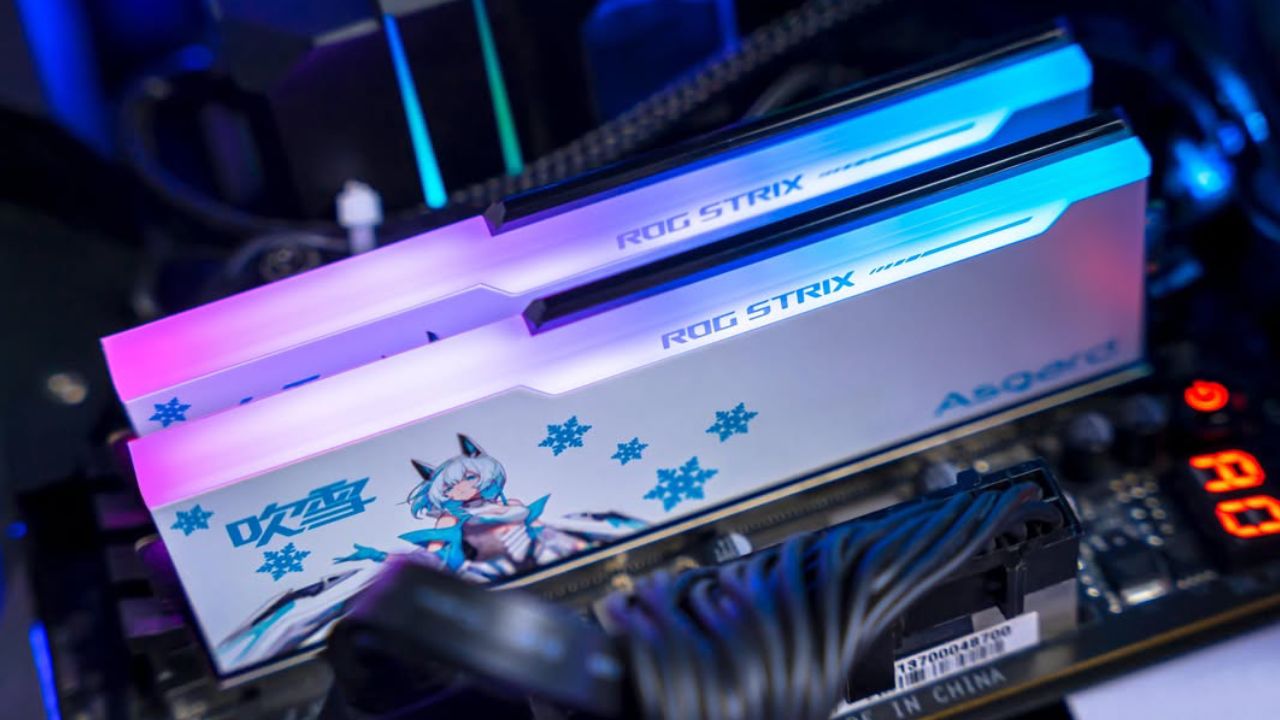
Demand for computing resources will likely stay high as AI models continue to develop. Cloud computing providers and enterprises building ever more powerful models need vast quantities of memory. And if those models get more advanced, they could need even more memory.
The central question is whether additional memory production can keep pace with growing demand. More Chinese manufacturers entering mainstream memory markets would certainly help, but AI demand could overwhelm the benefits of increased production.
Graphics card pricing is another sign of how concerning the situation has become. An RTX 5080 selling for $2,000 raises serious questions about where consumer hardware pricing is heading.
AI Demand Continues to Put Pressure on Consumer Hardware
PC enthusiasts are growing frustrated by how much memory AI companies require. Demand from companies developing large language models appears almost inexhaustible, especially as they pursue increasingly powerful computing systems.
One suggestion is that the hardware industry should slow down its development cycle for a while. Capable hardware already exists for PC and console gaming, so manufacturers don't have to release new GPUs and consoles right away.
Instead, developers may focus on making better use of current hardware. Modern graphics cards and consoles can still deliver great gaming experiences, and hardware restrictions are usually not the biggest hurdle for developers.
But even if hardware development slowed for a few years, that wouldn't automatically fix the memory supply problem. Consumers need access to existing hardware at reasonable prices, not another generation of expensive products.
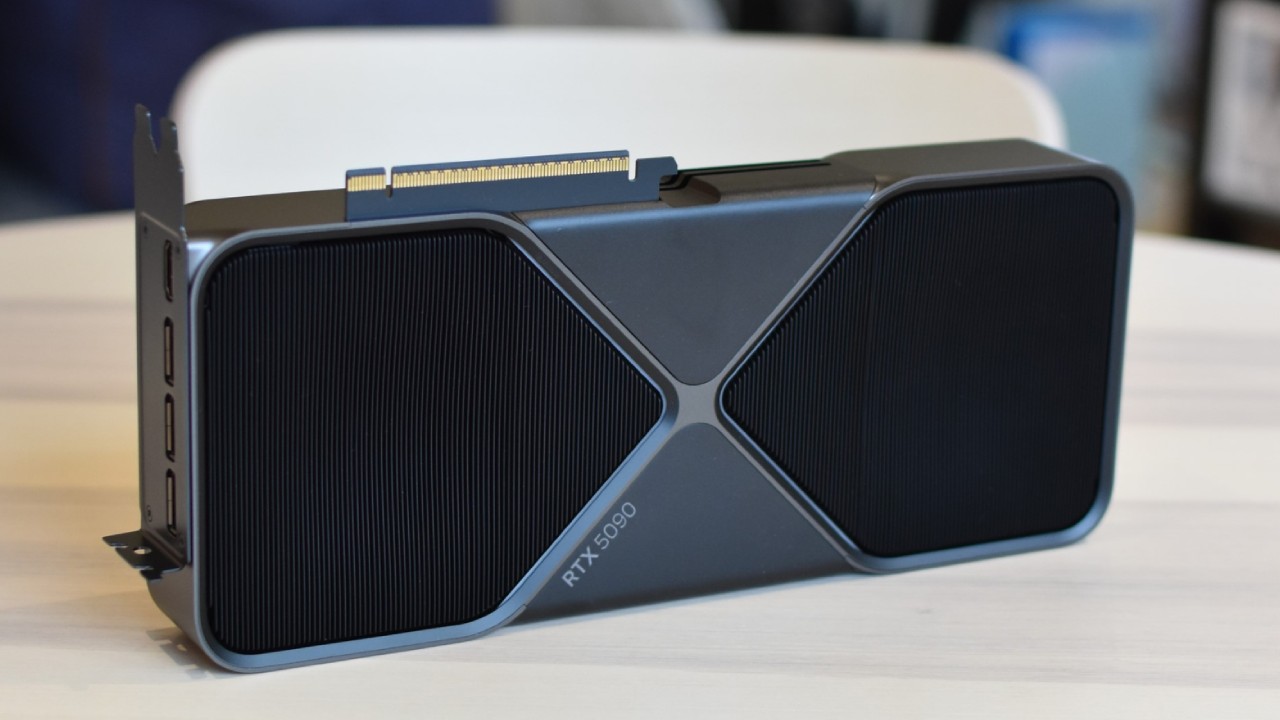
RTX 5080 and RTX 5090 Prices Show How Bad Things Have Become
The RTX 5080 is a capable graphics card, but its current pricing makes it difficult to recommend as a good-value product. Third-party dealers on Newegg are apparently asking up to $2,500 for the card, an insane price for a GPU in this class.
The RTX 5080 has been hovering at $1,400-$1,500 in the UK for a while. But there are fears prices could eventually rise similarly elsewhere. Another example is the RTX 5090, with certain units retailing for around $6,000. Even at those crazy prices, the graphics cards are said to have sold out.
The used graphics card market isn't bringing much respite either. GPUs are still pretty powerful, starting with the RTX 30 Series, which means earlier cards still have high resale prices. Graphics cards with more memory are especially pricey, with the RTX 3090 among the costliest options.
But recent developments have compounded the problem by making older graphics cards more attractive for AI workloads.
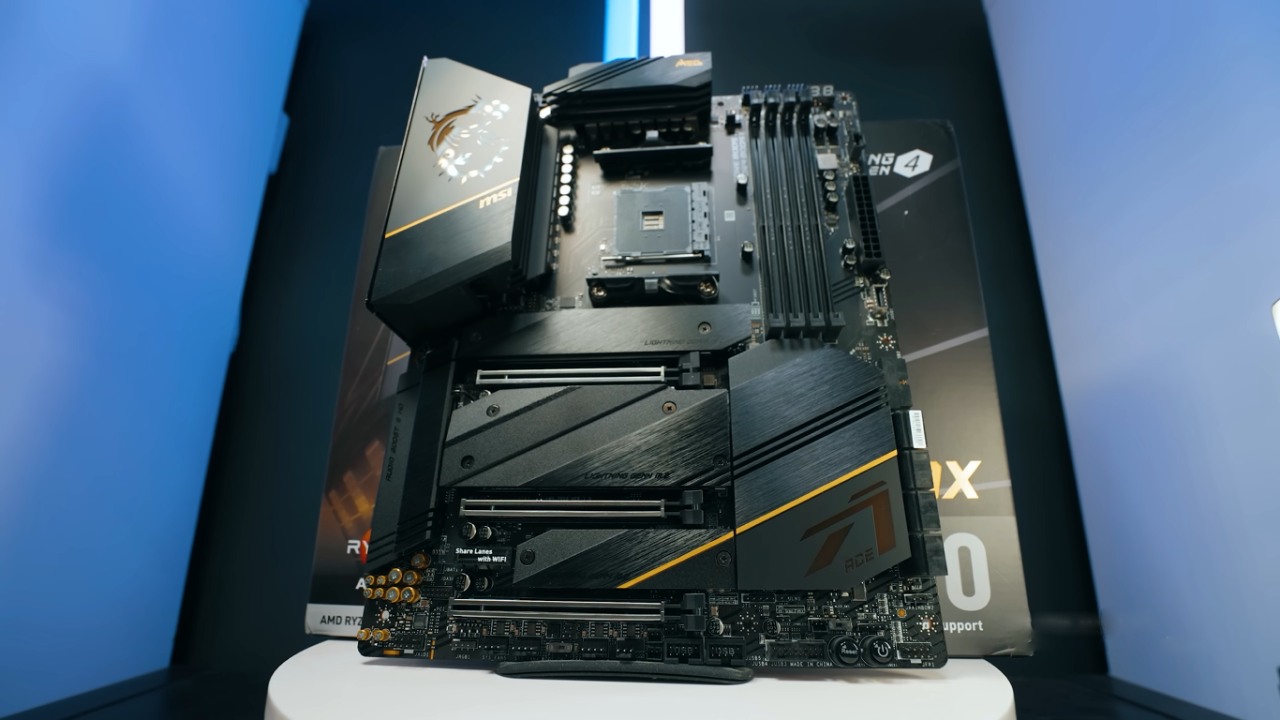
CPU and Motherboard Prices Remain Relatively Stable
Not all component categories are under the same pricing pressure. CPU pricing looks rather reasonable, and motherboards have remained pretty low as well. Memory and storage components, however, are a different story. RAM and storage goods are feeling the supply pressure more, and upgrades are now substantially more expensive.
Another problem is the lack of visibility into when things might improve. Chinese firms diversifying into mainstream memory production could help, but there's no guarantee the extra output will be enough to transform the market.
Hardware demands are different from the PlayStation 2 era
The PlayStation 2 Emotion Engine got some notice circa 2000 for its computing power. In fact, the console itself sparked worries about its ability to do calculations relevant to nuclear weapons development, leading to alterations in U.S. rules on exporting powerful computing equipment.
The situation today is quite different. Demand from AI development and data centers is huge, and the industry isn't concerned about gaming consoles' computing power.
That said, Chinese memory makers could eventually add competition and supply, but that doesn't guarantee much relief for PC gamers. That could keep consumer hardware prices under pressure if AI companies continue seeking huge amounts of memory. For now, logical pricing of existing gear may matter more than another major hardware generation.
FAQ
Q. Can Chinese memory manufacturers help lower PC hardware prices?
A. Yes. Increased production from Chinese memory manufacturers could introduce more competition and improve memory supply, potentially easing pressure on consumer hardware prices. However, the impact will depend on production capacity and overall market demand.
Q. Why is AI demand affecting PC hardware prices?
A. AI companies and data center operators require enormous amounts of memory and storage to develop and operate increasingly capable AI models. This growing demand competes with consumer hardware manufacturers for limited supply.
Q. Why are RTX 5080 and RTX 5090 graphics cards so expensive?
A. High demand, limited availability, supply constraints, and broader memory market pressures are driving up graphics card prices. Some RTX 5080 models have reportedly reached $2,500, while certain RTX 5090 models have reached approximately £6,000.
Q. Will PC hardware prices return to normal soon?
A. There is currently no clear timeline for a return to reasonable pricing. Although increased memory production could improve supply, continued AI demand may offset those gains and keep consumer hardware prices elevated.
Senior Editor, NoobFeed
Gaming Hardware Updates
No Data.